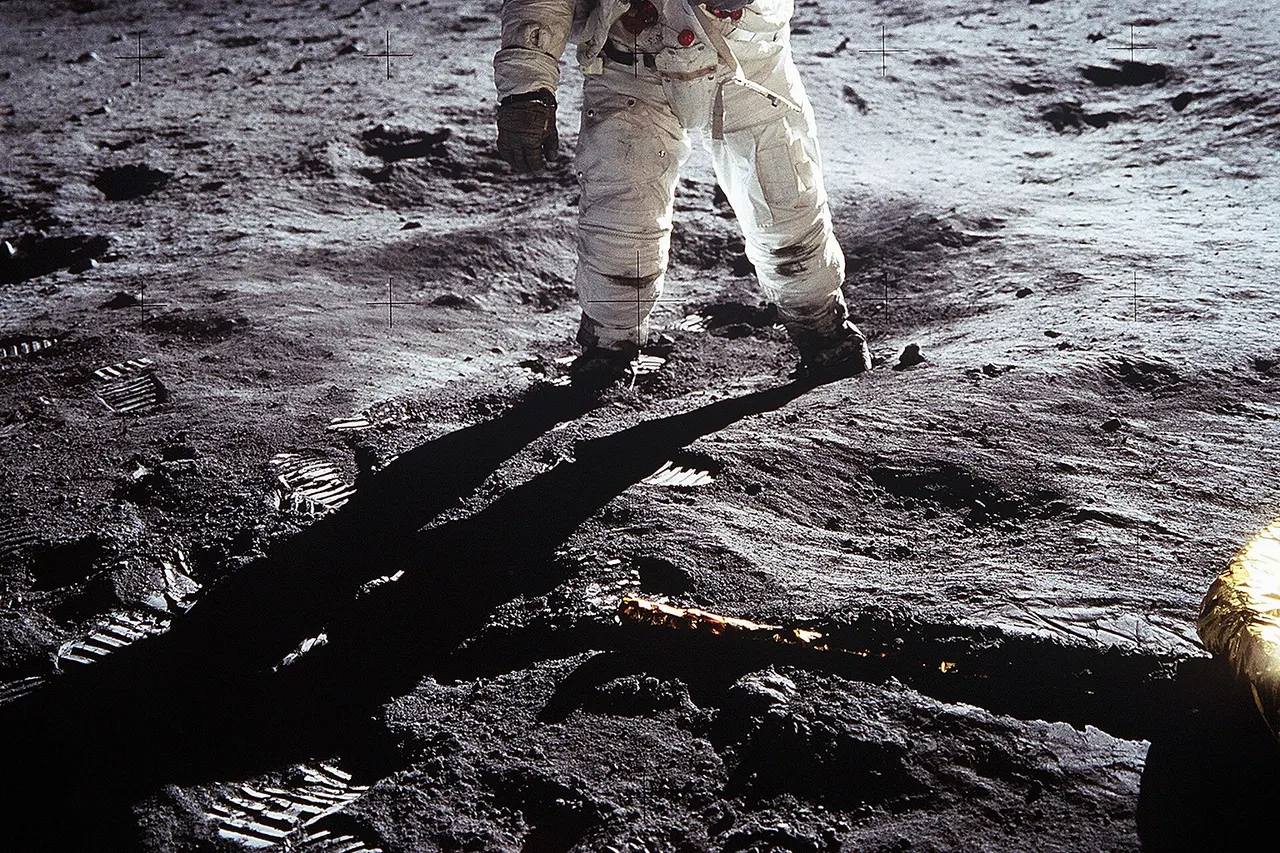

A piece of the SpaceX Falcon 9 rocket, which has been floating in space since its launch last January, is believed to have crashed into the Moon at approximately 2:35am Eastern Time (06:35 GMT) on Wednesday, August 5th, 2026. The rocket segment reportedly struck the lunar surface at about 5,400 miles per hour (8,690 kilometers per hour), near the Moon's northern hemisphere close to the Einstein Crater.
Experts expect this impact to create a new lunar crater, although the event was not visible to the naked eye and confirmation is pending through telescope observations. Signals confirming the impact have yet to return from the Moon to Earth.
NASA spokesperson Jimi Russell stated, "There is no danger to Earth" from this event. The Falcon 9 rocket had carried two lunar landers, with the booster returning to Earth while the upper stage remained in space to push the landers onward.
Generally, for such high-energy missions, SpaceX performs maneuvers to ensure the rocket's second stage complies with safety regulations, according to Julianna Scheiman, director of NASA Science and Dragon Programs at SpaceX.
Scientists and amateur astronomers are interested in observing the plume of ejecta expected from the impact. Benjamin Fernando of Los Alamos National Laboratory, lead author of a recent paper on the event, noted it might be possible to observe this plume with a telescope, although its brightness remains uncertain.
The spacecraft segment is estimated to weigh approximately 8,800 pounds (4,000 kilograms), assuming all propellant was spent.
This incident highlights the growing issue of space debris; the European Space Agency reported in late July that there are over 46,000 pieces of space debris weighing a total of 17,000 tonnes currently in orbit. The United Kingdom’s Natural History Museum noted that thousands of objects launched since the 1950s remain in orbit after ceasing operation or breaking apart.
Environmental concerns related to rocket launches include depletion of the protective ozone layer due to chemicals released during launch and air pollutants such as soot particles that can absorb sunlight and warm the atmosphere, as explained by Marais.
This event follows historical precedents such as the deliberate crashes during NASA's Apollo program in the 1970s to collect seismic data.
Loading comments.