
President Donald Trump recently invoked Section 301 of the Trade Act of 1974 to impose substantial new tariffs on imports from 60 U.S. trading partners, including the European Union, Canada, Australia, Japan, and South Korea. Imports from 41 of these partners face 12.5 percent tariffs, while the remainder are subject to 10 percent levies.
These tariffs target foreign policies allegedly involving forced labor, with the U.S. Trade Representative (USTR) asserting that "an act, policy, or practice of a foreign country is unreasonable or discriminatory and burdens or restricts United States commerce."
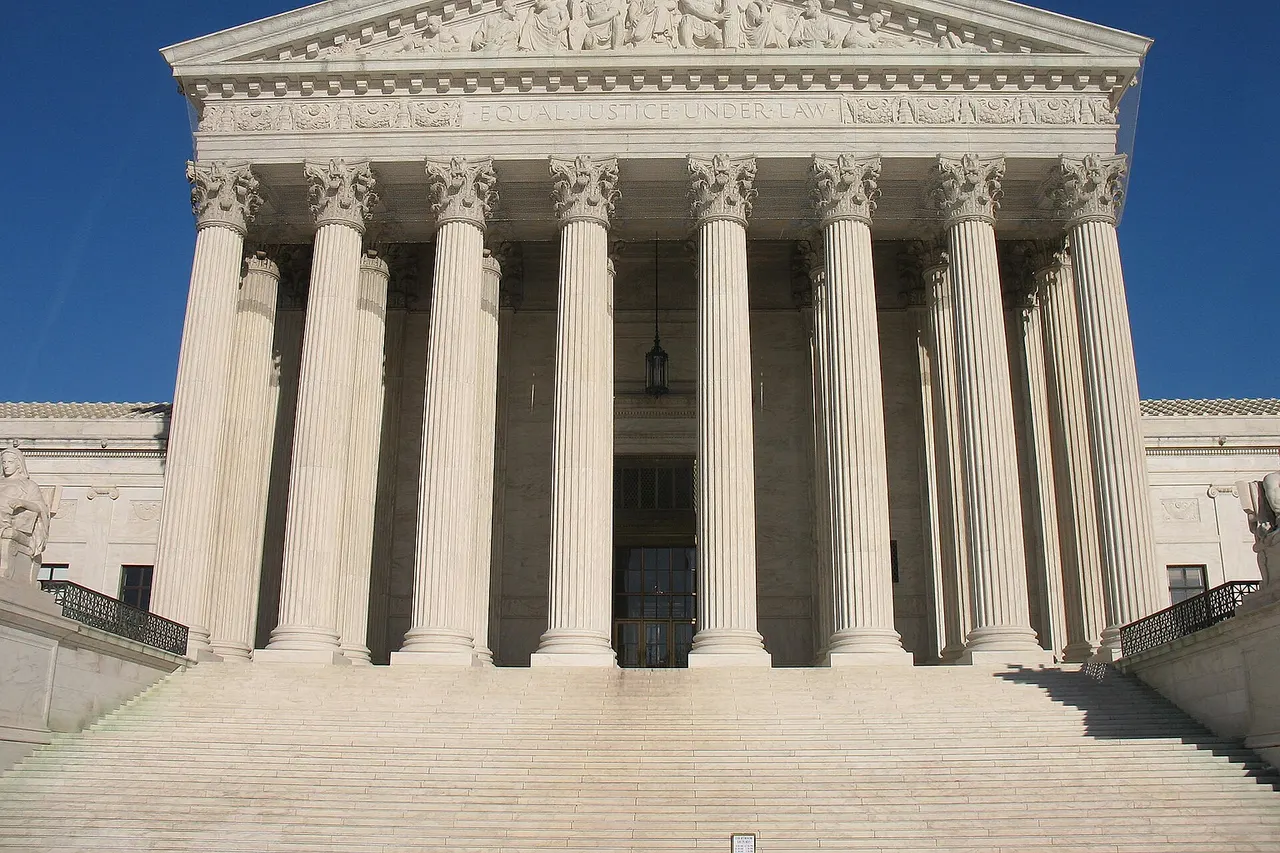
This move follows the Supreme Court's February decision invalidating Trump’s earlier tariffs under the International Emergency Economic Powers Act of 1977 (IEEPA), which imposed 10 percent or higher tariffs on nearly all U.S. trading partners. The Court’s 6-3 ruling held that IEEPA does not authorize tariffs and rejected the president’s claim of unlimited tariff authority.
Trump’s new Section 301 tariffs appear to seek a legal workaround to that ruling, but they have already sparked three lawsuits. One lawsuit, filed by the Liberty Justice Center on behalf of two small businesses, challenges the tariffs. Another involves several firms, including Learning Resources Inc., the toy manufacturer whose prior IEEPA challenge reached the Supreme Court. The most recent lawsuit was brought by 25 state governments led by Oregon.
The legal debate centers on whether Section 301 authorizes such sweeping tariffs and whether their imposition violates constitutional limits on delegating legislative power to the executive branch. The tariffs’ broad economic impact raises questions about the level of guidance Congress must provide when authorizing executive actions affecting the national economy.
These tariffs represent one of the most significant trade policy shifts in recent years, surpassing even President Joe Biden’s student loan forgiveness program in scale, which was invalidated by the Supreme Court in 2023 partly due to similar legal doctrines.
Over the past year, Trump has also threatened or imposed tariffs on major trading partners for reasons including wildfires in Canada, foreign-made movies, and political prosecutions in Brazil.
Sources
- Reason, Ilya Somin, "My New Dispatch Article on Donald Trump's Section 301 'Forced Labor' Tariffs," August 5, 2026, link
Loading comments.