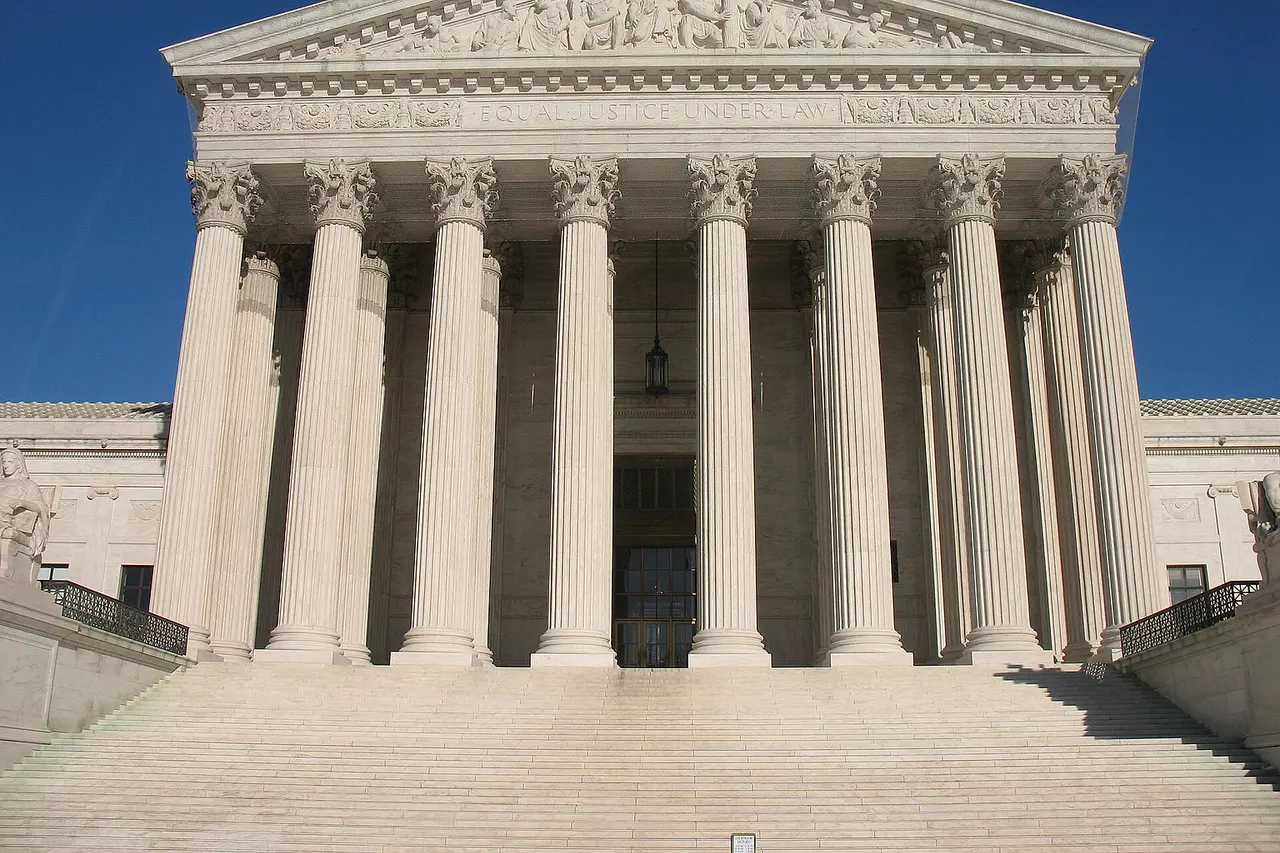

On Monday, August 3rd, 2026, a coalition of 25 US states sued the Trump administration over newly imposed tariffs ranging from 10% to 12.5% on goods from 59 countries and the European Union. The states contend these tariffs serve as a pretext to replace import taxes that the Supreme Court struck down in February 2026.
The states have asked the US Court of International Trade to halt the tariffs, declare them unlawful, and order refunds for duties already paid. According to the states, the tariffs cover 99.4% of US imports.
The Trump administration imposed these tariffs last month, accusing the targeted countries of failing to adequately address imports produced by forced labor. The new tariffs took effect immediately after temporary tariffs, enacted following the Supreme Court ruling, expired.
New York Attorney General Letitia James criticized the administration, stating, “After losing at the Supreme Court, the administration is once again trying to illegally raise taxes on families and businesses with a new round of tariffs.” New York Governor Kathy Hochul added that the tariffs are "nothing more than a tax on hardworking families, driving up the cost of groceries, household essentials, building materials, and countless everyday goods that New Yorkers rely on," emphasizing that the Supreme Court has made clear the administration cannot ignore the law to impose sweeping tariffs.
The states joining New York in the lawsuit include Arizona, California, Colorado, Connecticut, Delaware, Hawaii, Illinois, Kentucky, Massachusetts, Maryland, Maine, Michigan, Minnesota, Nevada, New Jersey, New Mexico, North Carolina, Oregon, Pennsylvania, Rhode Island, Virginia, Vermont, Washington, and Wisconsin.
The Trump administration, which last year overturned decades of US trade policy favoring lower tariffs, initially invoked the 1977 International Emergency Economic Powers Act (IEEPA) to impose double-digit tariffs on imports from nearly every country, citing the US trade deficit as a national emergency. The current tariffs are imposed under Section 301 of the Trade Act of 1974, which allows the president to impose import taxes and sanctions against countries engaging in unfair trade practices.
White House spokesman Kush Desai defended the tariffs, stating, “The United States is using its lawful authority to obtain the elimination of unreasonable acts, policies, and practices that burden US commerce. A foreign country’s failure to impose and effectively enforce a prohibition on the importation of goods produced with forced labor is unreasonable and burdens US commerce, including American workers, and must be addressed.”
However, the states argue that the administration’s tariffs, based on what they call a “supposed investigation into countries’ efforts to combat forced labor,” do not meet the requirements of Section 301. Both lawsuits contend the government failed to adequately establish its case against each specific economy or explain how the tariffs will eliminate the targeted practices.
Loading comments.