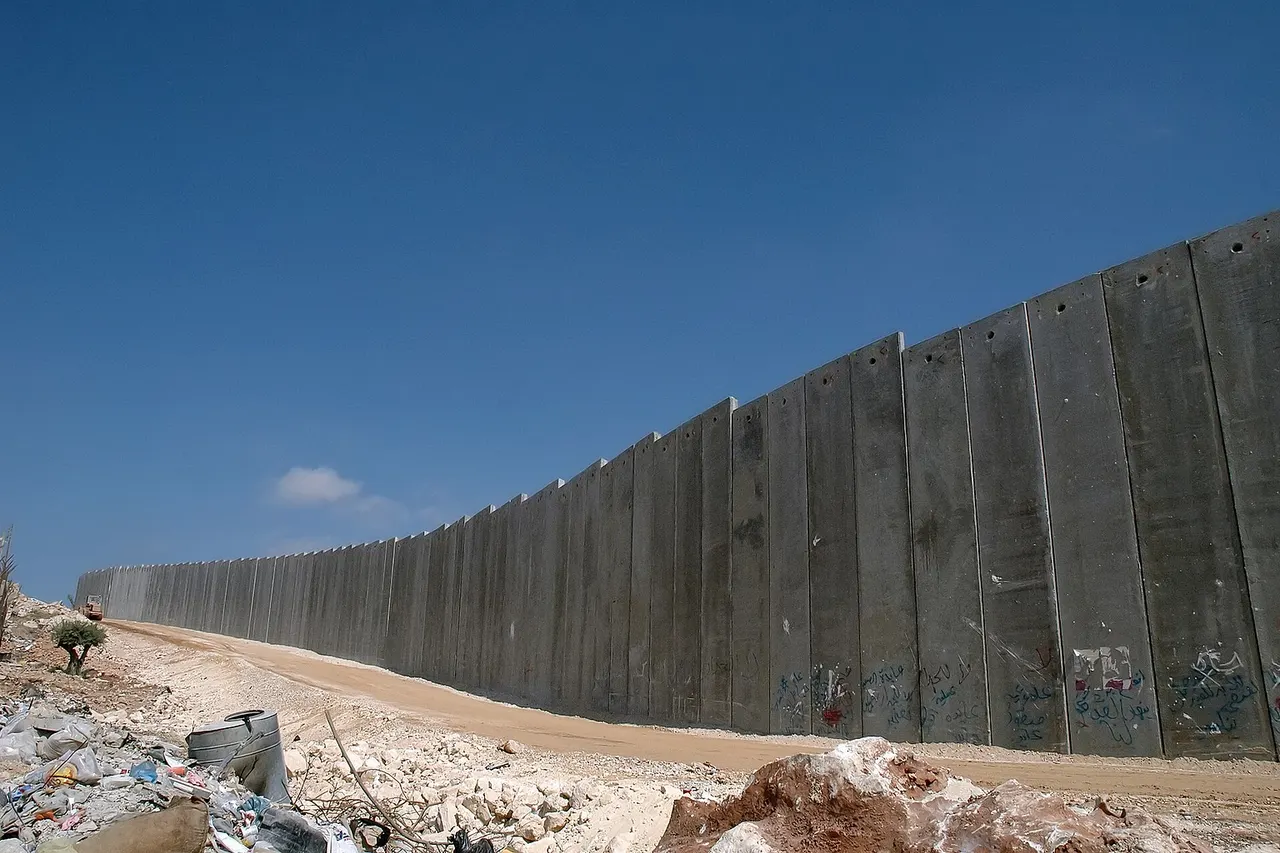

As Israel prepares for elections in October 2026, there has been a significant increase in settlement activity in the occupied West Bank, intensifying concerns about efforts to solidify control over the territory in violation of international law.
Last week, the United Nations warned that attacks by Israeli settlers, often alongside Israeli forces, and the establishment of illegal settlements and outposts have reached "an all-time high". Reports include incidents such as cars burning in settler attacks within the West Bank.
This surge follows a parliamentary term during which Israel shifted authority over the West Bank from military to civilian institutions, accelerating settlement planning and infrastructure expansion.
At a late July meeting of Prime Minister Benjamin Netanyahu's right-wing Likud Party, Israel’s Defence Minister Israel Katz stated that since the coalition took power in 2022, under the supervision of Smotrich, Israel had approved 104 illegal settlements and approximately 160 settlement farms in the West Bank, according to Israeli media.
In August 2025, Smotrich announced the E1 settlement project, connecting occupied East Jerusalem with the Maale Adumim settlement several kilometers east. Smotrich described this project as one that "buries the idea of a Palestinian state."
Chatham House’s Yossi Mekelberg commented on Netanyahu’s response to the recent widespread violence in the West Bank, saying, "We saw him come out on US TV and concede that there may have been a few incidents in the West Bank, but nothing serious."
The situation also involves groups such as the Hilltop Youth, described as intent on taking over the West Bank by violence, and ongoing tensions linked to Hamas in Gaza.
Loading comments.