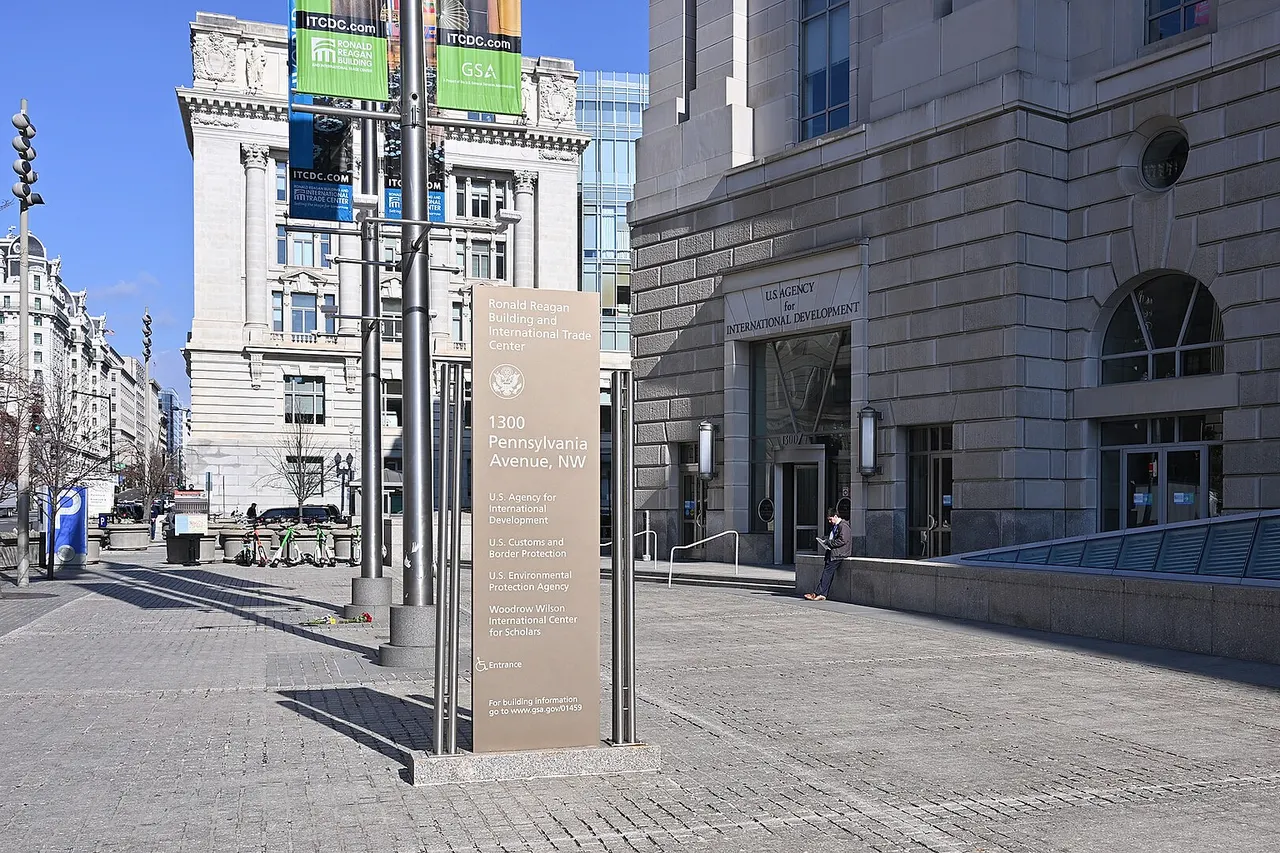

Last month, Representative Ro Khanna (D) asserted that Elon Musk had "possibly sentenced to death" 4.5 million children by dismantling the U.S. Agency for International Development (USAID). Khanna based this claim on a 2025 study published in The Lancet, which stated that USAID prevented approximately 91.8 million deaths between 2001 and 2021 and projected over 14 million additional deaths by 2030 if funding cuts persisted.
Elon Musk responded by calling Khanna a liar, threatening legal action, and suggesting Khanna belonged in prison.
The Lancet study's findings were widely cited by major news outlets including NPR, the BBC, the Associated Press, NBC, The New Yorker, and The Washington Post. However, critics argue that none of these outlets addressed the study's questionable statistical claims.
To contextualize, during the 2001–2021 period, the global death rate fell substantially. According to United Nations data, if the death rate prior to 2001 had remained constant, about 79 million additional people would have died over the following 20 years. This figure contrasts with the Lancet study's claim that USAID alone saved nearly 92 million lives.
On February 2, 2026, Lancet Global Health, a sister journal to The Lancet, published a related paper titled "The Impact of Two Decades of Humanitarian and Development Assistance and the Projected Mortality Consequences of Current Defunding to 2030." Authored by researchers from the Barcelona Institute for Global Health and the Federal University of Bahia—the same institutions behind the original USAID paper—the study used a similar retrospective-plus-forecast design.
This newer paper forecasts 9.4 million deaths by 2030 due to ongoing aid declines from major donors including the United States, United Kingdom, France, and Germany under a baseline scenario. Under a severe scenario involving deeper cuts than those observed, the projection rises to 22.6 million deaths.
Critics argue that assuming the 2001 age-adjusted death rates had remained constant would imply 160 million additional deaths over the study period, which challenges the original Lancet estimate. This adjustment reduces the claim that USAID accounts for 58 percent of the decline in deaths from all sources but still considers the estimate implausible.
Regarding costs, it was noted that the average taxpayer contributed about 18 cents per day to USAID, an investment translated by some as saving up to 90 million deaths worldwide.
The debate highlights the complexities in attributing mortality changes to specific aid programs and the importance of rigorous statistical analysis.
Sources
- Reason, Aaron Brown, "Did Elon Musk sentence millions of people to death by dismantling USAID?", August 3, 2026, link
- The Lancet and Lancet Global Health studies (2025, 2026)
Loading comments.