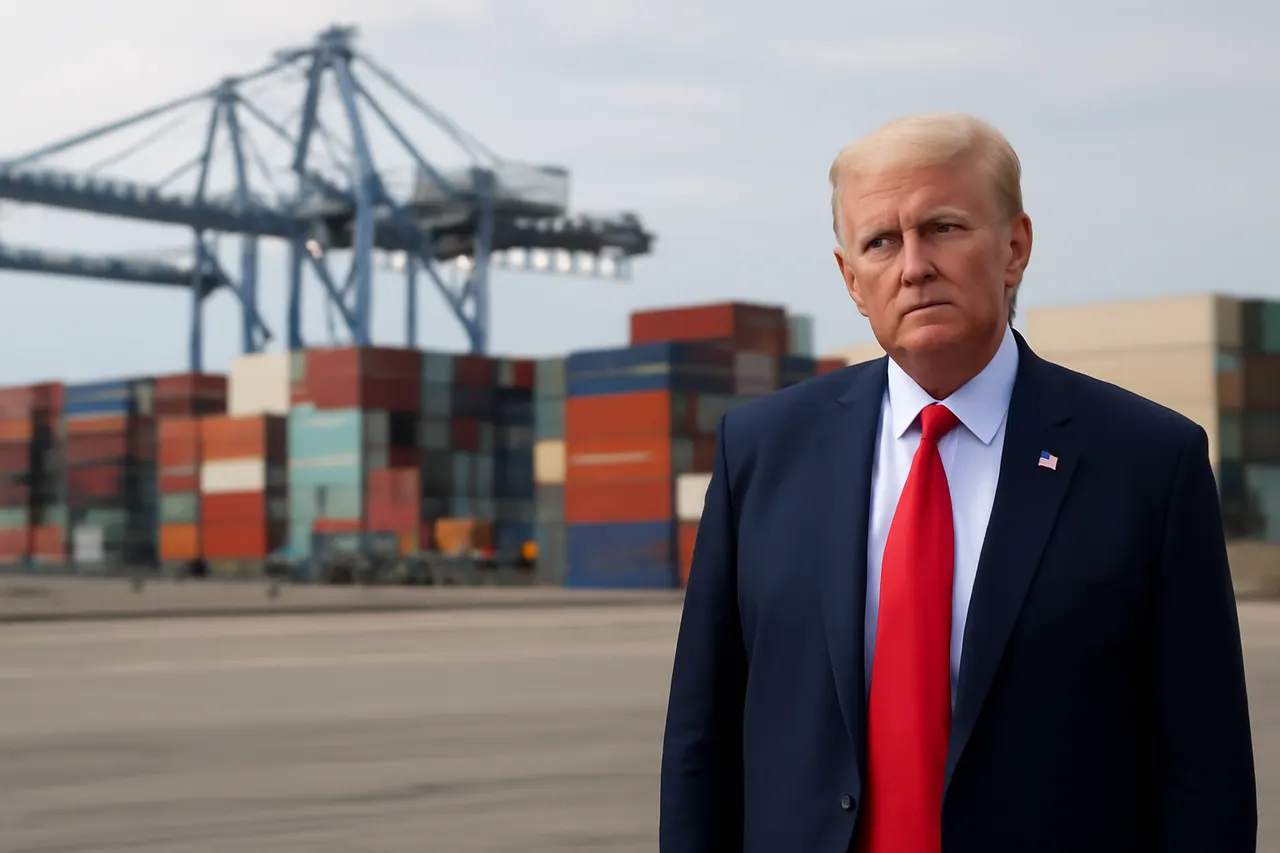
The Trump administration announced on Thursday, July 23, 2026, that it will impose tariffs of up to 12.5% starting Friday on goods imported from 60 U.S. trading partners accused of failing to crack down on forced labor. This move extends the administration's existing tariffs on much of the world.
Most affected countries, including Vietnam and China, will face the 12.5% tariff rate. However, 17 countries with some prohibitions on forced labor, such as the United Kingdom, Canada, and Mexico, will be subject to a lower 10% tariff. Additionally, five other trading partners, including the European Union, will face an extra levy to bring their total most-favored-nation tariff rate to either 10% or 12.5%.
A senior administration official described the measure as "the most sweeping international labor rights action the United States has ever taken, that any country has ever taken." The official explained that the administration views forced labor as a problem not only due to human rights concerns but also because countries that do not enforce bans on forced labor gain an "unfair advantage" over the United States, which enforces such bans.
The official further stated, "This action advances longstanding bipartisan objectives by pairing enforcement with incentives that encourage our trading partners to adopt and effectively enforce the type of import prohibitions that we do."
Goods that comply with the U.S.-Mexico-Canada Agreement, a trade deal signed during the first Trump administration, are exempt from these tariffs. The forced labor tariffs represent the latest effort by President Trump to reinstate his global tariff system after a Supreme Court ruling earlier in 2026 struck down most of his country-by-country tariffs.
Other tariffs remain in place under separate laws, such as Section 232, which covers steel, aluminum, and car parts, and Section 338, recently used to impose tariffs on Canadian milk, alcohol, and hockey equipment.
Loading comments.