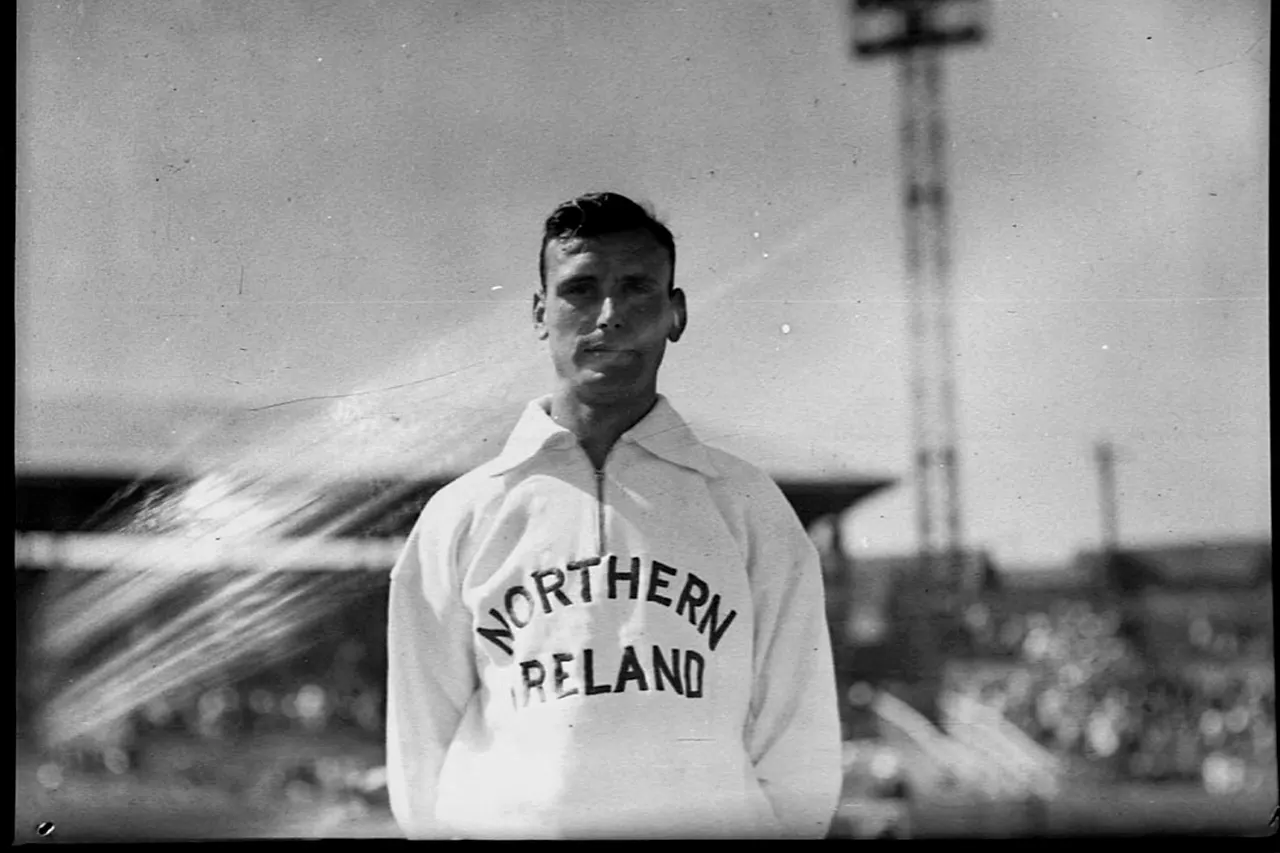

Sixty years after the mile was last contested at the Commonwealth Games, Australian runner Cameron Myers and Scottish 1,500m world champion Josh Kerr are preparing for a highly anticipated showdown at the 2026 Games in Glasgow. The mile event, once a staple of the Games, was replaced by the 1,500m after 1966 despite its historical significance and alignment with the world-standard 400m track.
The mile's prestige was cemented by the famous 1954 "Miracle Mile" at the British Empire and Commonwealth Games, where England's Roger Bannister became the first man to run under four minutes, followed 45 days later by Australian John Landy breaking the record again. This historic rivalry remains a highlight in athletics history.
Abbey Caldwell, one of three Australian competitors in the women's final, expressed excitement about the mile's return to the Games, calling it "a very prestigious part of the Commonwealth Games and its history" and a chance to "attack it." Caldwell also noted the opportunity for Australians to make their mark, saying, "We're in a very fortunate position to have three very strong Australians going into this, so it's a really nice opportunity for us to go take those history books and cement them as Australians."
Just before the Games, Kerr posted a time of 3:42.66 in the 1,500m, showcasing his form. During the race, Myers took an early lead and maintained it with clinical efficiency, while Kerr stayed in the pack until the last lap before surging forward and energizing the crowd with 150 metres to go.
The return of the mile is also seen as a way to attract more people to the sport, with some noting that Americans still have a strong affinity for the distance, making it more relatable to the general public.
This race at Scotstoun Stadium could provide a fitting and thrilling conclusion to the Games, honoring the legacy of Bannister, Landy, and the historic mile event.
Loading comments.