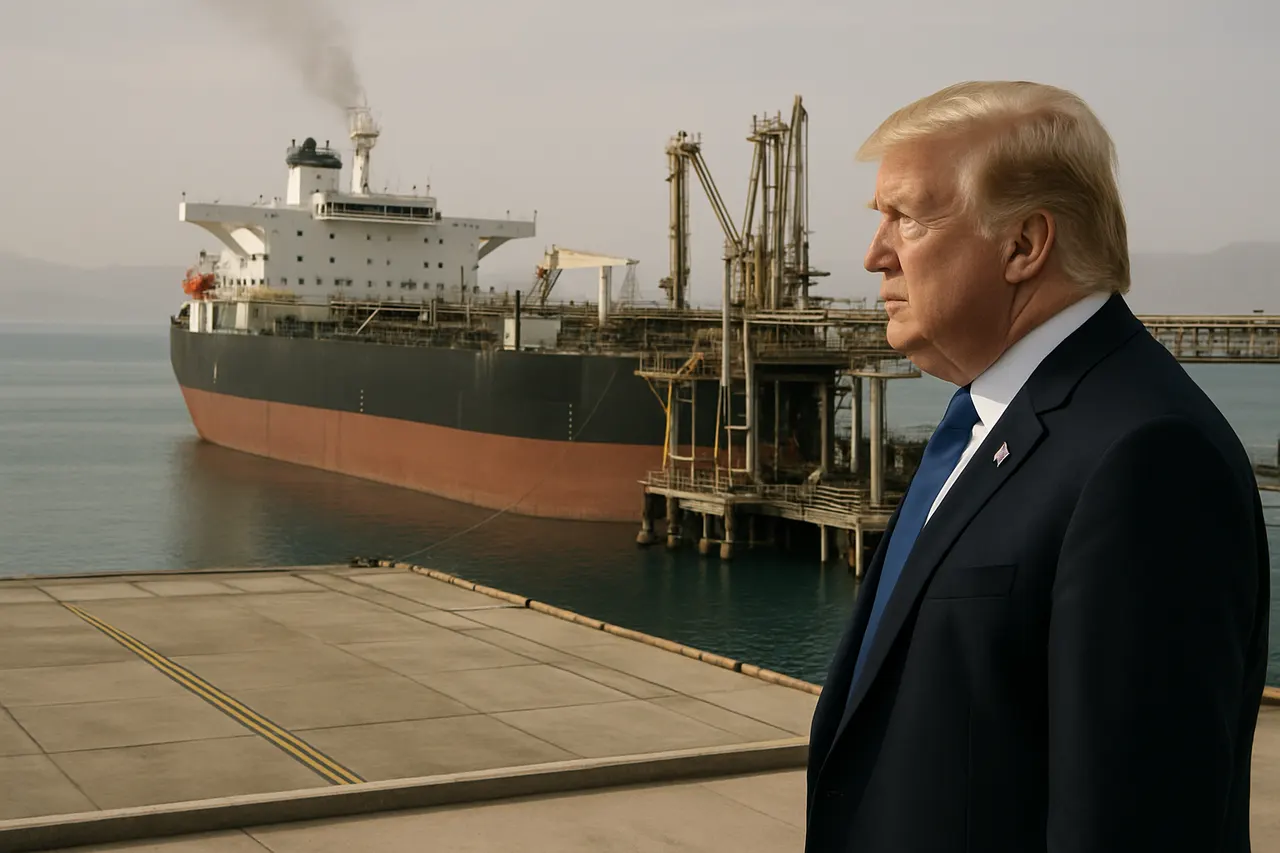
President Donald Trump declared on July 8, 2026, that the ceasefire between the United States and Iran was "over" following a fresh round of hostilities involving attacks on ships in the strategic Strait of Hormuz. Speaking at a NATO summit in Ankara, Turkey, Trump expressed frustration with Iran's recent strikes on tanker ships and said the ceasefire agreement, outlined in the Islamabad memorandum of understanding signed last month, had effectively collapsed.
"As far as I’m concerned, it’s over," Trump said when asked if the truce was still intact. He added, "I'll let our wonderful negotiators keep talking if they want, but I don't see it. I don't like these people."
The ceasefire had been in place during a 60-day window reserved for direct technical talks over Iran’s nuclear program and potential sanctions relief. However, these negotiations had been on hold for a week due to the Iranian government's funeral for former Supreme Leader Ali Khamenei, who was killed during the early stages of the U.S.-Israeli conflict with Iran.
Tensions escalated after maritime authorities reported that three commercial tanker ships were attacked by unidentified objects while transiting the Strait of Hormuz, a vital and contested waterway that Iran has intermittently closed since February to pressure international shipping. Additionally, Iran’s Islamic Revolutionary Guard Corps stated it had shot down an MQ-9 Reaper drone.
Iran’s parliamentary speaker and chief negotiator with the U.S., Mohammad Bagher Ghalibaf, maintained a defiant stance, accusing Washington of breaking the agreement first.
While Trump stopped short of ending all negotiations, stating he would consult with his diplomatic team, the recent attacks have cast doubt on the prospects for future talks between the two nations.
Loading comments.