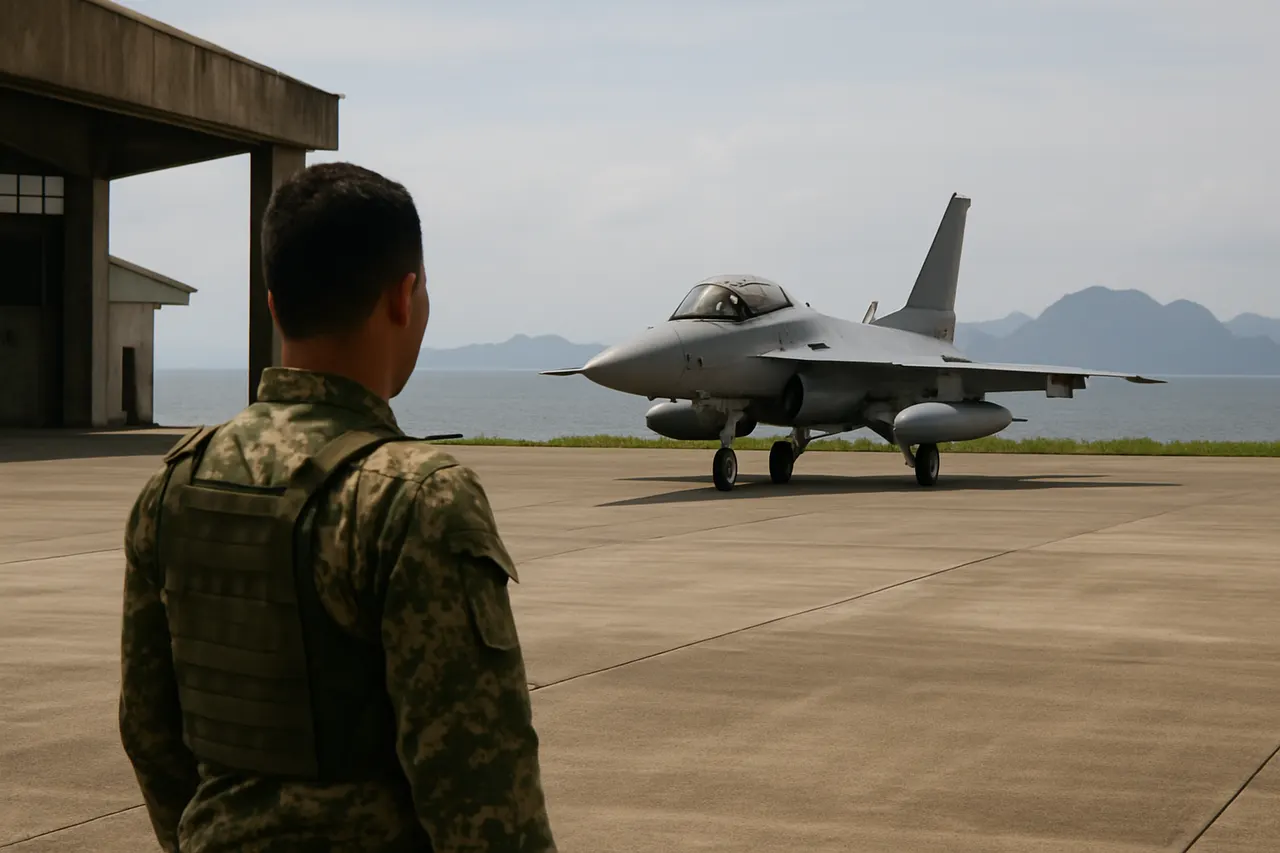
For decades, the Philippine Air Force primarily engaged in combating communist rebels and Islamist militants within the country's forests and southern islands. However, amid ongoing tensions in the South China Sea, the air force is undergoing a transformation to serve as a key defender of one of Asia's most contested maritime frontiers.
Air force spokeswoman Colonel Maria Christina Basco emphasized the strategic need for enhanced air capabilities, stating, “Because we are an archipelago, we really need to strengthen our air assets. This means a 360 degree defence of the Philippines.”
Since 2013, under the Philippine military’s modernization program known as Horizon 1, the air force has steadily rebuilt essential capabilities that had been lost due to years of underinvestment. Vincent Kyle Parada, a former defense analyst for the Philippine Navy and lecturer at De La Salle-College of Saint Benilde, noted that newer platforms have expanded the air force’s operational range and improved interoperability with allies. He described this development as “crucial” for transitioning from internal security operations to a more active role in territorial defense and deterrence in the South China Sea.
Despite these efforts, analysts continue to rank the Philippine Air Force as the weakest air arm among Southeast Asia’s six largest militaries.
Loading comments.