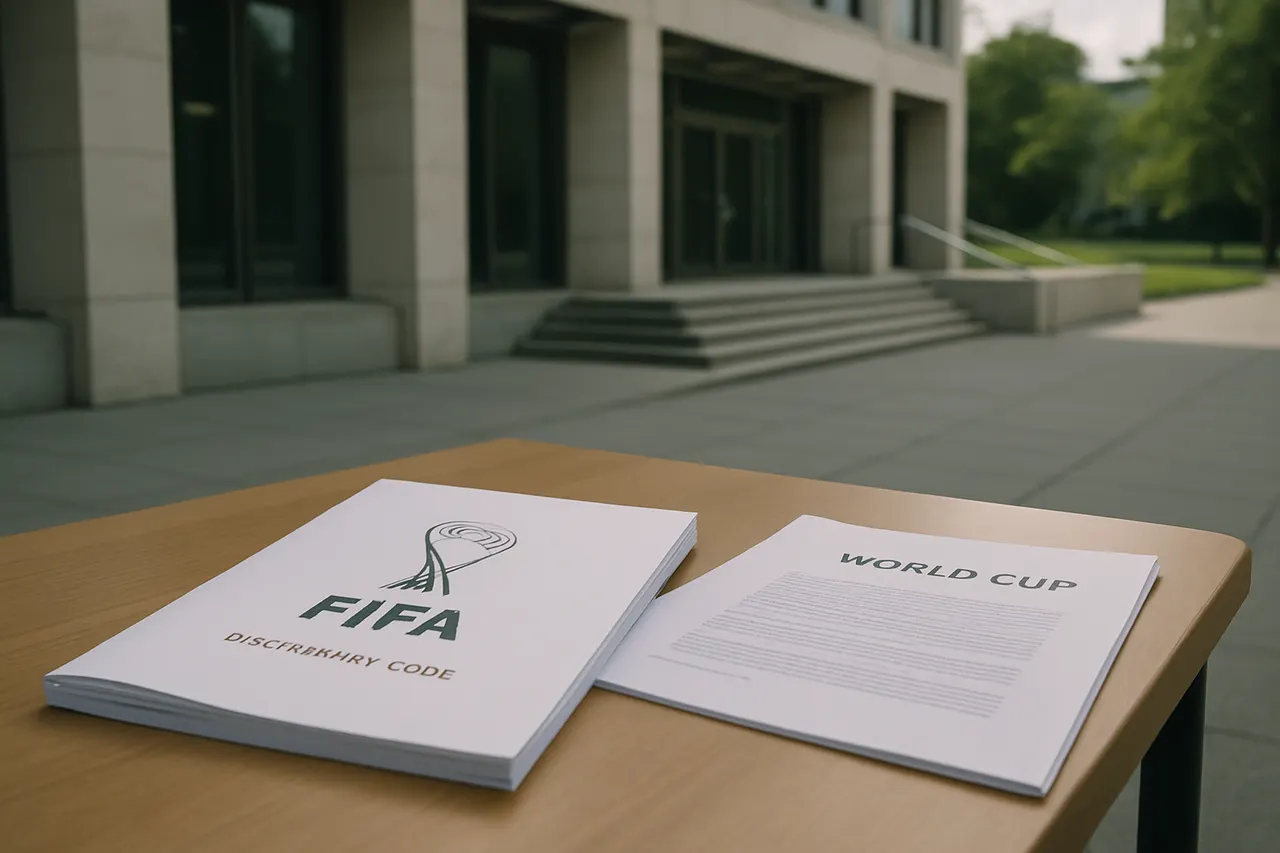
The United States’ World Cup campaign took an extraordinary turn on July 5 when FIFA suspended Folarin Balogun’s automatic red-card ban, allowing the striker to play against Belgium in Monday's last-16 match. This decision followed a personal appeal from former U.S. President Donald Trump to FIFA President Gianni Infantino to review the case.
Balogun, 25, had scored his third goal of the tournament in the U.S.'s 2-0 win over Bosnia and Herzegovina but was sent off in the second half after a VAR review for planting his boot into the ankle of Tarik Muharemovic. U.S. coach Mauricio Pochettino argued it was not a red card offense.
FIFA stated, "In line with article 27 of the FIFA Disciplinary Code, the implementation of the match suspension is suspended for a probationary period of one year." The suspension will be revoked if Balogun commits another similar infringement during this period.
The decision ignited a major media storm, with pundits and former players debating whether FIFA upheld justice or undermined its own rules. England manager Thomas Tuchel expressed that while he believed Balogun did not deserve a red card, he questioned the suspension's suspension, noting that Article 66.4 of the FIFA Disciplinary Code mandates an automatic suspension for the next match following a red card, as applied in previous cases during the World Cup.
U.S. Soccer accepted the decision, though Balogun’s teammates reportedly learned of the ruling via social media en route to training in Seattle ahead of the game.
The incident has drawn attention not only to the disciplinary process but also to the influence of political power in football governance.
Loading comments.