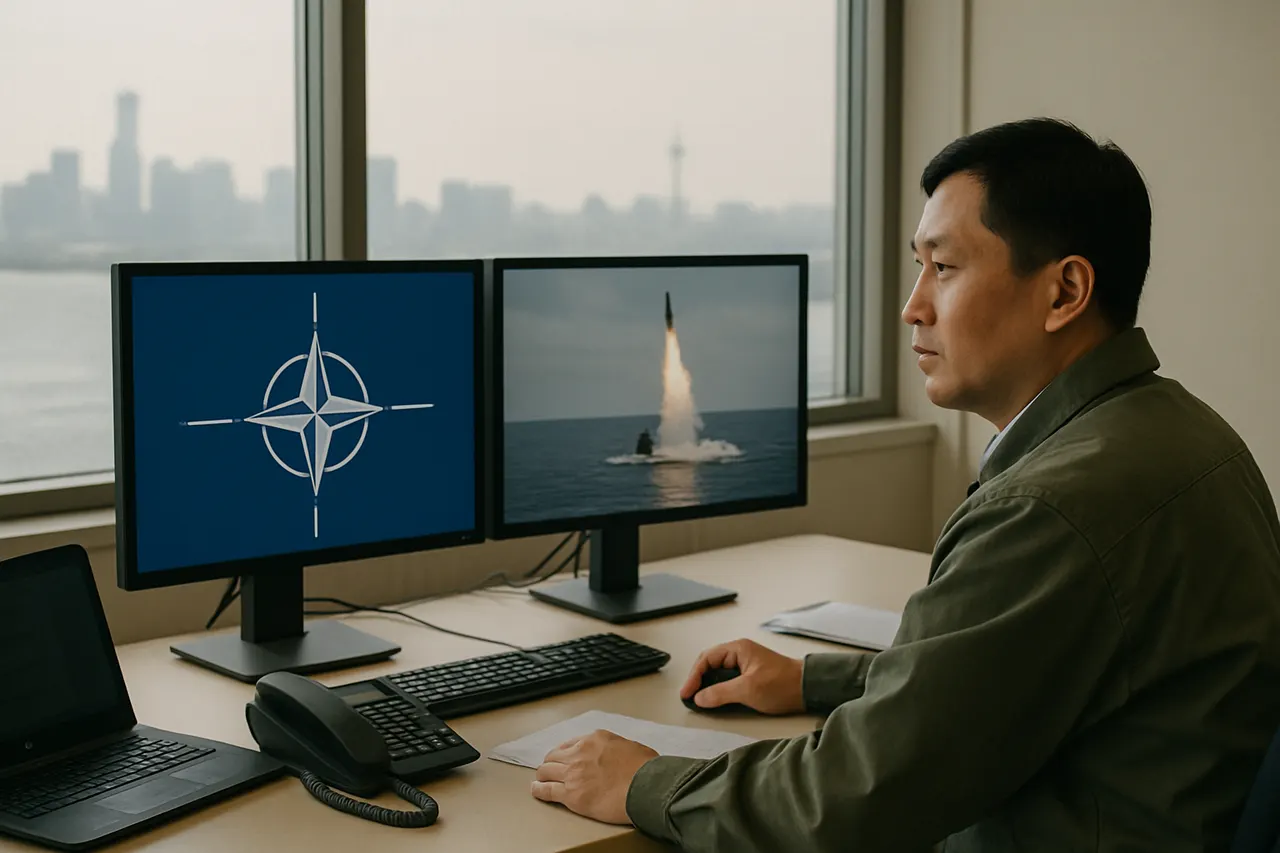
China publicly announced on July 6, 2026, that it launched a ballistic missile from a nuclear-powered Type 094 Jin-class submarine into the Pacific Ocean. The missile carried a dummy warhead and was fired during what Beijing described as a routine annual training exercise.
Chinese officials stated the launch occurred in a designated area of the Pacific Ocean and complied with international law. According to Chinese state media, this was the first such test since 2024.
Unlike land-based missile launches, a ballistic missile fired from a submerged nuclear submarine is considered one of the most survivable elements of a nuclear arsenal due to the difficulty in detecting and destroying the vessels before launch.
The test drew sharp rebukes from Australia and Japan, with Australia calling the launch destabilizing to the region. New Zealand did not accuse China of violating the Treaty of Rarotonga, which establishes the South Pacific Nuclear Free Zone prohibiting nuclear explosive devices in the region.
China emphasized the process was safe, standard, and professional, and urged relevant countries not to read too much into the exercise. However, concerns persist amid growing tensions as U.S. allies deepen security ties in the Indo-Pacific and NATO leaders prepare to meet in Ankara.
Former Navy captain and Pentagon official Brent Sadler highlighted NATO's strategic shift to address threats from both China and Russia, advocating for increased defense spending and enhanced missile defense capabilities among NATO allies.
Loading comments.