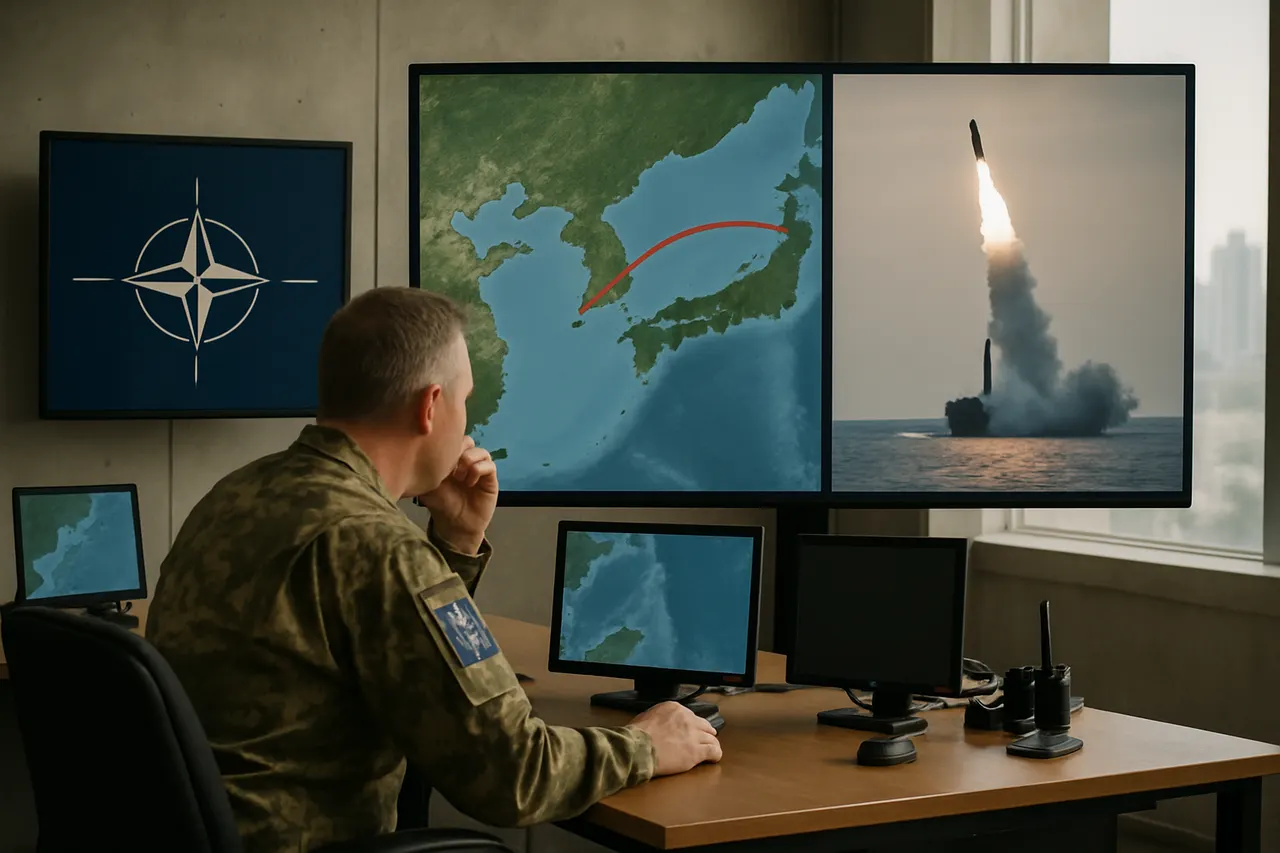
On July 6, 2026, China publicly announced it launched a ballistic missile from a nuclear-powered Type 094 Jin-class submarine into the Pacific Ocean. The missile carried a dummy warhead and was fired during what Beijing described as a routine annual training exercise. Chinese officials stated the launch landed in a designated area and complied with international law.
This test marks China's first such submarine-launched ballistic missile trial since 2024 and represents a rare acknowledgment of its sea-based nuclear capabilities. Unlike land-based missile launches, firing from a submerged nuclear submarine enhances survivability due to the difficulty in detecting and neutralizing these vessels before launch.
The missile test has drawn sharp rebukes from Australia and Japan, with Australia calling the action destabilizing to the region. New Zealand did not accuse China of violating the Treaty of Rarotonga, which establishes the South Pacific Nuclear Free Zone prohibiting nuclear explosive devices in the region.
China emphasized the process was safe, standard, and professional, hoping relevant countries would not overinterpret the event. However, concerns over the intensification of China’s military activities have been expressed, urging Beijing to reconsider its actions.
The launch coincides with U.S. allies strengthening security ties in the Indo-Pacific and NATO leaders preparing for the Ankara summit, where strategic shifts to address threats from China and Russia are under discussion. Former Navy captain and Pentagon official Brent Sadler highlighted the need for NATO allies to increase defense spending and enhance capabilities, including missile defense, to deter aggression.
A nuclear-powered Type 094A Jin-class ballistic missile submarine of the Chinese People's Liberation Army Navy during a 2018 military display in the South China Sea. (Reuters/Stringer)
Loading comments.