The 2026 World Cup, hailed as the most diverse in history, has also become a tournament marked by exclusion for numerous fans unable to attend due to visa issues.
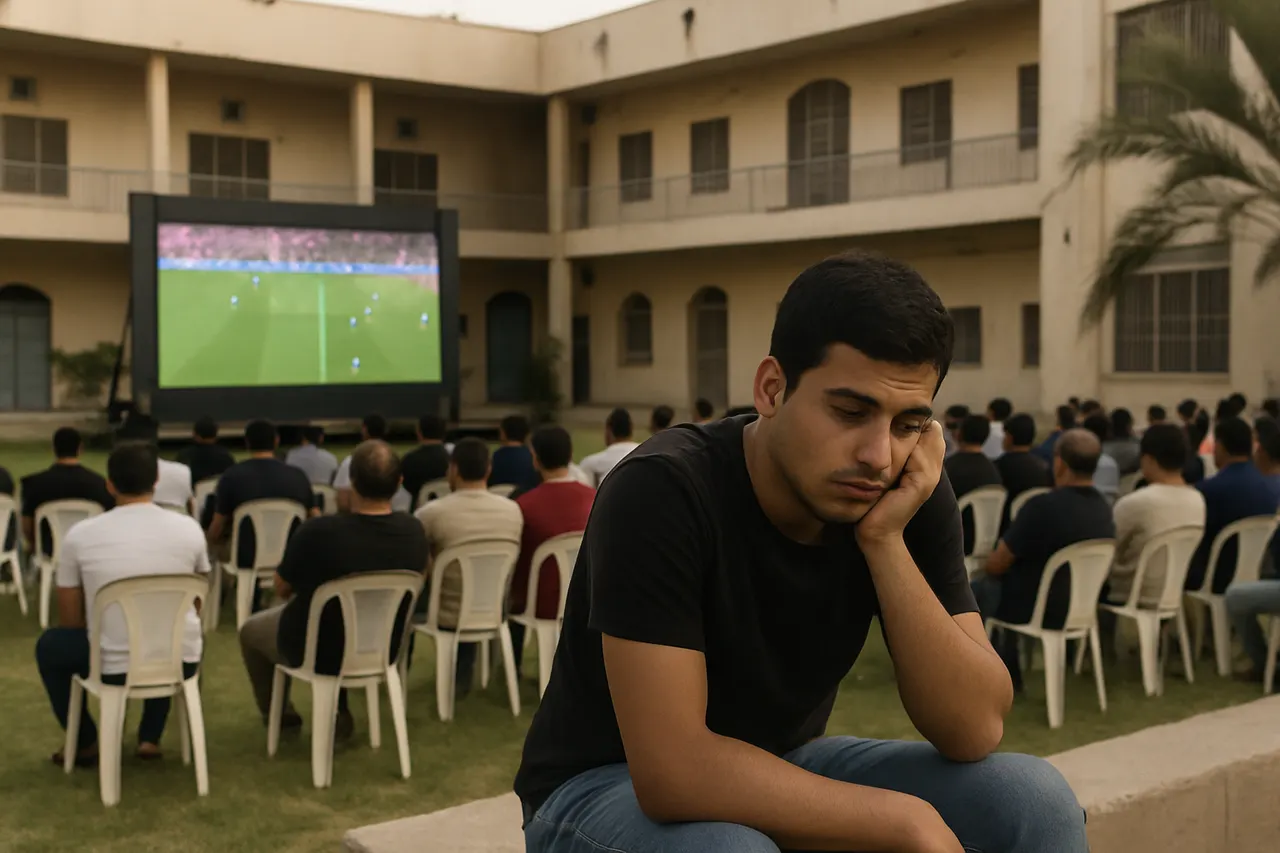
Mustafa al Saadi, a 32-year-old laboratory technician at Mosul General Hospital in Iraq, had planned to travel to the United States with colleagues to watch Iraq's first World Cup appearance since 1986. However, his visa application remained pending as he watched the match against France from Mosul's al Muthanna neighborhood, while his friends were nearly 10,000 kilometers away inside the stadium.
"It is a very sad feeling to see your close friends present with the national team in every country in the world, but I am not," al Saadi said, with red flares lighting the night sky near the remnants of ancient Nineveh's fortification wall.
Iraq was among several nations facing visa difficulties ahead of the tournament. In the United States, where the World Cup is hosted, the Department of State responded by deploying more than 600 additional consular staff, making millions of additional visa appointments available, and utilizing the FIFA PASS program to prioritize World Cup-related applications, all while maintaining existing security standards.
Before the tournament began, UN High Commissioner for Human Rights Volker Türk warned that US immigration policies could undermine access to the World Cup, calling for "a massive rethink" of enforcement to protect "human rights and human dignity."
Meanwhile, in Brockton, Massachusetts, home to one of the largest Cabo Verdean communities outside the islands, supporters gathered in restaurants and streets to celebrate their team’s match against Spain, with fireworks and flags marking the occasion. Amelia Gonçalves described the scene, noting how children moved between tables as customers balanced laptops beside plates of cachupa, Cabo Verde's national stew. She also shared that watching goalkeeper Vozinha make seven saves against Spain left her too emotional to sleep.
The World Cup is traditionally seen as a moment when geopolitics pause, welcoming people of all nationalities, skin colors, and religions to unite in celebration of football. Yet, for many fans like al Saadi, the 2026 tournament has been a reminder of the barriers that still exist.
Loading comments.