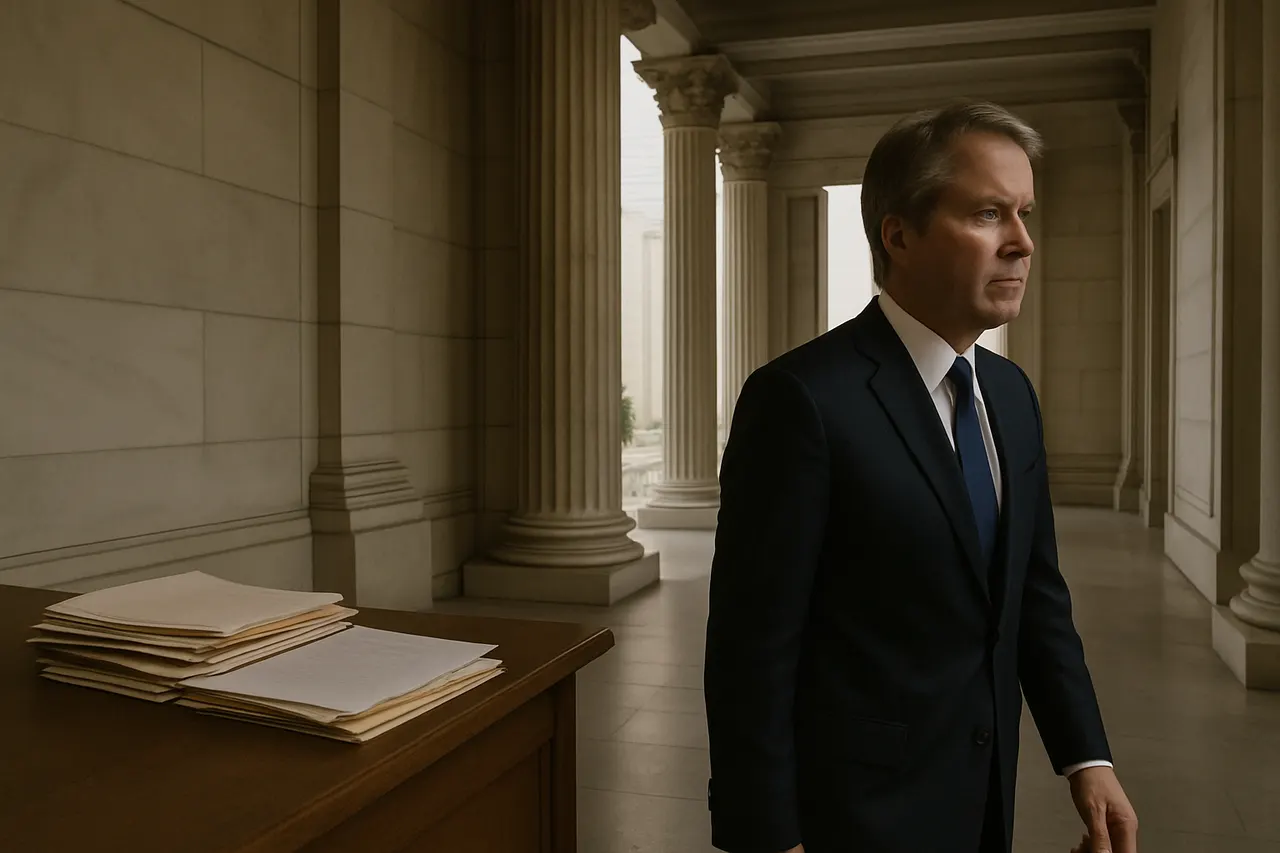
On June 30, 2026, the U.S. Supreme Court issued a 6-3 ruling that struck down federal limits on the amount of money political parties can spend in coordination with individual candidates for federal office. Writing for the majority, Justice Brett Kavanaugh stated that the limits, enacted by Congress following the Watergate controversy, unconstitutionally restrict free speech. He wrote, "In short, constitutional text, history, and precedent establish that the political-party coordinated-expenditure limits violate the First Amendment."
The ruling is seen as a significant victory for the Republican Party, including Vice President JD Vance, who supported the lawsuit as a senator. President Donald Trump celebrated the decision on social media, calling it "A BIG WIN FOR REPUBLICANS and, more importantly, The First Amendment!"
These limits were originally imposed by Congress in 1974 through the Federal Election Campaign Act to regulate federal campaign financing and prevent corruption. The Supreme Court had previously upheld such limits as safeguards against bribery. However, this decision continues a nearly two-decade trend of the Court narrowing campaign finance restrictions on free speech grounds, building on the 2010 Citizens United ruling that lifted caps on corporate campaign spending.
Experts predict that the rollback of these restrictions will lead to a surge in political spending and television advertisements ahead of the 2026 midterm elections. According to the Federal Election Commission (FEC), Senate candidates have already spent over $490 million, while House candidates have spent nearly $1 billion.
Critics argue that the ruling undermines anti-corruption laws and could facilitate quid pro quo political corruption. Attorneys for Public Citizen, a nonprofit voter advocacy group, filed a brief opposing the decision. Justices Sonia Sotomayor, Elena Kagan, and Ketanji Brown Jackson dissented.
Separately, Congress is pursuing a rare bipartisan housing bill, which former President Donald Trump dismissed as a "yawn" compared to the SAVE America Act, refusing to endorse it amid his midterm election campaign.
Loading comments.