What happened
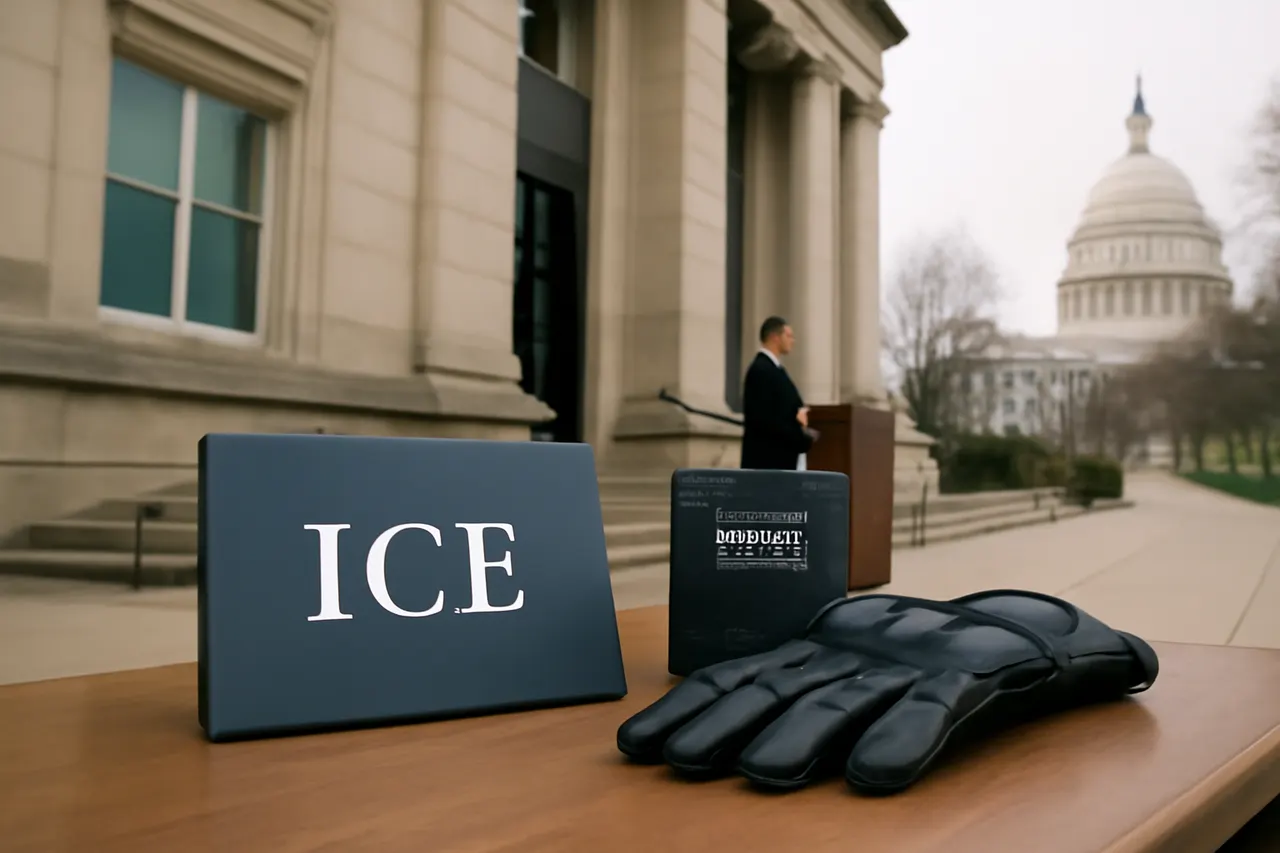
The U.S. Immigration and Customs Enforcement (ICE) agency has awarded a $16.7 million no-bid contract to Compliant Technologies LLC, a Kentucky-based company, for the purchase of 6,000 electric shock gloves. These gloves, known as the Generated Low Output Voltage Emitter (G.L.O.V.E.), function as standard patrol gloves until activated by an officer's "electrical mode," which delivers a painful electric shock upon direct skin contact to compel compliance from resisting detainees. The contract, signed on Wednesday, August 26, 2026, and formally posted on Thursday, August 27, 2026, includes the gloves along with support equipment and services for a six-month period.^1
ICE describes the gloves in contract paperwork as "conductive distraction and de-escalation devices," intended to provide officers with a lower-impact alternative during arrests, detainee transports, and disturbances near detention facilities. The agency's procurement rationale states the gloves may be used when a person is "actively or passively resisting" and an officer needs to quickly gain control.^1
The agency argues that the gloves reduce reliance on physical force and provide an alternative to firearms in dangerous encounters. ICE stated in procurement documents that it currently lacks an empty-hand use-of-force device amid "unprecedented levels of threats and violence against ICE officers and agents," and that the gloves will help de-escalate tense situations before they become violent. ICE also said the gloves would be deployed under approved policies, training requirements, and accountability standards, although the procurement documents do not detail these safeguards.^1
Compliant Technologies' instruction manual advises users to "always give the subject(s) a reasonable opportunity to comply before force is used" and suggests using the gloves for up to 15 seconds unless the subject becomes more violent or endangers others. The manual also states the devices should not be used to punish individuals or on vulnerable populations such as the elderly, pregnant women, small children, or the severely handicapped.^1
The contract represents a significant expansion of this glove technology, which until now has been primarily used by local police departments and jails.^1
Key facts
- ICE awarded a $16.7 million no-bid contract for 6,000 electric shock gloves to Compliant Technologies LLC, a Kentucky-based company.^1
- The gloves, called G.L.O.V.E. (Generated Low Output Voltage Emitter), operate as normal gloves until activated to deliver an electric shock on direct skin contact.^1
- ICE describes the gloves as "conductive distraction and de-escalation devices" for use during arrests, detainee transports, and facility disturbances.^1
- The gloves are intended to reduce physical force use and provide an alternative to firearms.^1
- ICE claims it currently lacks an empty-hand use-of-force device amid high threats and violence against its officers.^1
- The gloves will be deployed under approved policies and training, though details on safeguards are not specified in procurement documents.^1
- Compliant Technologies recommends giving subjects a reasonable chance to comply before using the gloves and limits use to 15 seconds unless violence escalates.^1
- The contract expands the use of this technology beyond local police and jails to federal immigration enforcement.^1
Context and timeline
- ICE signed the contract with Compliant Technologies LLC on Wednesday, August 26, 2026, and posted the award publicly on Thursday, August 27, 2026.^1
- ICE first announced the planned purchase earlier in August 2026.^1
- In recent months, ICE has faced scrutiny over its use-of-force practices, including fatal shootings during attempted vehicle stops in Maine and Texas in July 2026.^1
What sources agree on
CBS Politics reporting, based on federal contract paperwork and statements from ICE and other involved parties, agrees on the contract's value ($16.7 million), the quantity of gloves (6,000), the supplier (Compliant Technologies LLC), and the intended use of the gloves as a new use-of-force tool for ICE officers. The device's technical operation as a glove with an electrical shock mode requiring direct skin contact is also consistently described.^1
ICE's stated rationale for the gloves is to provide officers with a less-lethal option to control resisting detainees and reduce reliance on physical force or firearms. The agency also claims the gloves will be deployed under approved policies and training, though specific safeguards are not detailed in the procurement documents.^1
Compliant Technologies' user manual guidance on reasonable opportunity to comply and limited duration of shock use is documented in the reporting.^1
What remains disputed or uncertain
The contract and ICE's claims have drawn opposition from congressional Democrats and civil rights advocates. Senator Catherine Cortez Masto of Nevada and 15 other Democratic senators urged ICE to abandon the purchase, warning that a device capable of delivering electric shocks during civil immigration arrests raises concerns about proportionality, medical safety, constitutional rights, and oversight. They wrote that such a device "presents substantial risks if deployed during civil arrests," especially without clear limits, adequate training, and comprehensive oversight.^1
Critics also argue that the gloves could make it easier for immigration officers to inflict pain during routine law enforcement encounters, with use of force potentially becoming less visible to the public. The procurement documents do not provide detailed information about the policies, training, or accountability measures that will govern the gloves' use, leaving questions about safeguards and abuse prevention unanswered.^1
The Department of Homeland Security (DHS), which oversees ICE, has defended the purchase. A DHS spokesperson called the Democratic criticism "despicable and a deliberate attempt to undermine and endanger our officers," emphasizing that ICE personnel are "highly trained in de-escalation tactics" and that decisions about technology use are carefully reviewed to comply with law enforcement policies and standards.^1
Original reporting
[^1]: CBS Politics, Nicole Sganga and Joe Walsh, August 27, 2026
Loading comments.