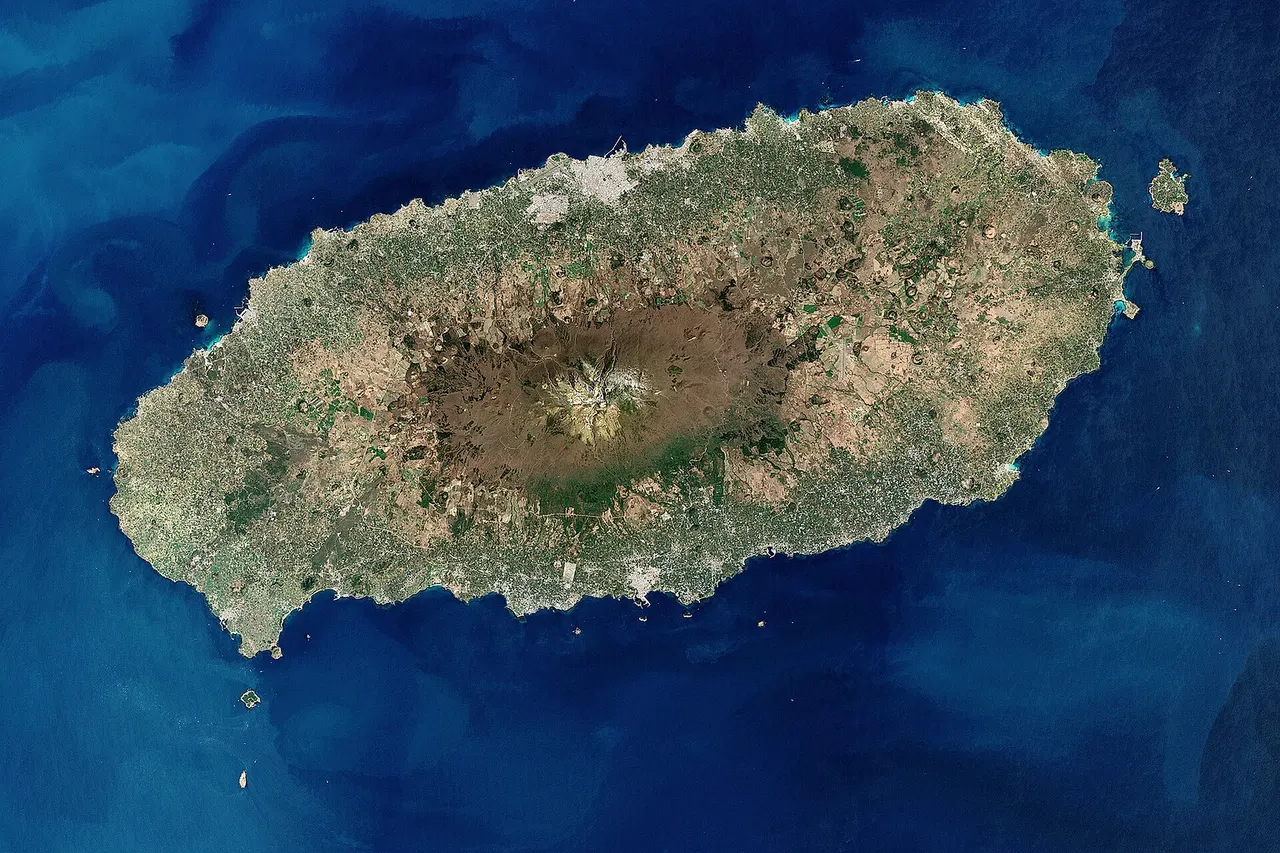

On a farm in the hills of South Korea’s Jeju Island, investigators uncovered the body of Jang Mi-ran, 37, who vanished without a trace in May. Police records revealed her case had been quietly closed without verifying if she was alive.
This discovery followed the finding of skeletal remains of a man in his sixties, located on the preceding Saturday after his family warned officers that he had spoken of suicide and left a farewell message for his children.
Both cases were handled by the same police officer, identified only by the surname Bu, who allegedly told worried relatives he had personally traced and spoken to the missing individuals. Investigators say these conversations never took place.
The incidents, initially a local controversy on Jeju Island, have escalated into a broader debate about whether South Korea’s national police force is fit to inherit sweeping new investigative powers.
Responding to the controversy, President Lee Jae Myung stated at a cabinet meeting on Tuesday, August 26, 2026, that “the recent breakdown in police discipline and irresponsibility in public safety matters have become serious problems.” He demanded the creation of a dedicated government body to oversee police conduct.
These developments highlight growing concerns about police accountability and public safety in South Korea amid plans to expand police authority.
Loading comments.