
Hundreds of people remain missing following severe flash floods that struck towns and villages in Nepal and China on Wednesday, August 26th, 2026. The floods have devastated communities, particularly in Nepal’s Rasuwa, Nuwakot, and Dhading districts, where at least 17,000 children have been affected.
The United Nations has released an initial $2 million from its Global Emergency Fund (CERF) to provide emergency medical care, shelter, and water. UN relief chief Tom Fletcher announced the funding on X, emphasizing the urgency of the response.
The floods have caused extensive damage to infrastructure including roads, bridges, hydropower facilities, water systems, and telecommunications networks, leaving many areas inaccessible and complicating aid delivery. UNICEF highlighted the immense challenges faced by families coping with loss, displacement, and disruption to essential services. Alice Akunga, UNICEF Representative to Nepal, stated, “Children across Rasuwa and Dhading saw their lives being literally washed away in front of their eyes in a very short span of time, with homes, classrooms, and medical facilities damaged.”
In China, authorities report around 560 people remain missing, with significant casualties and destruction reported in the Tibet autonomous region. The UN country office confirmed the extent of the damage.
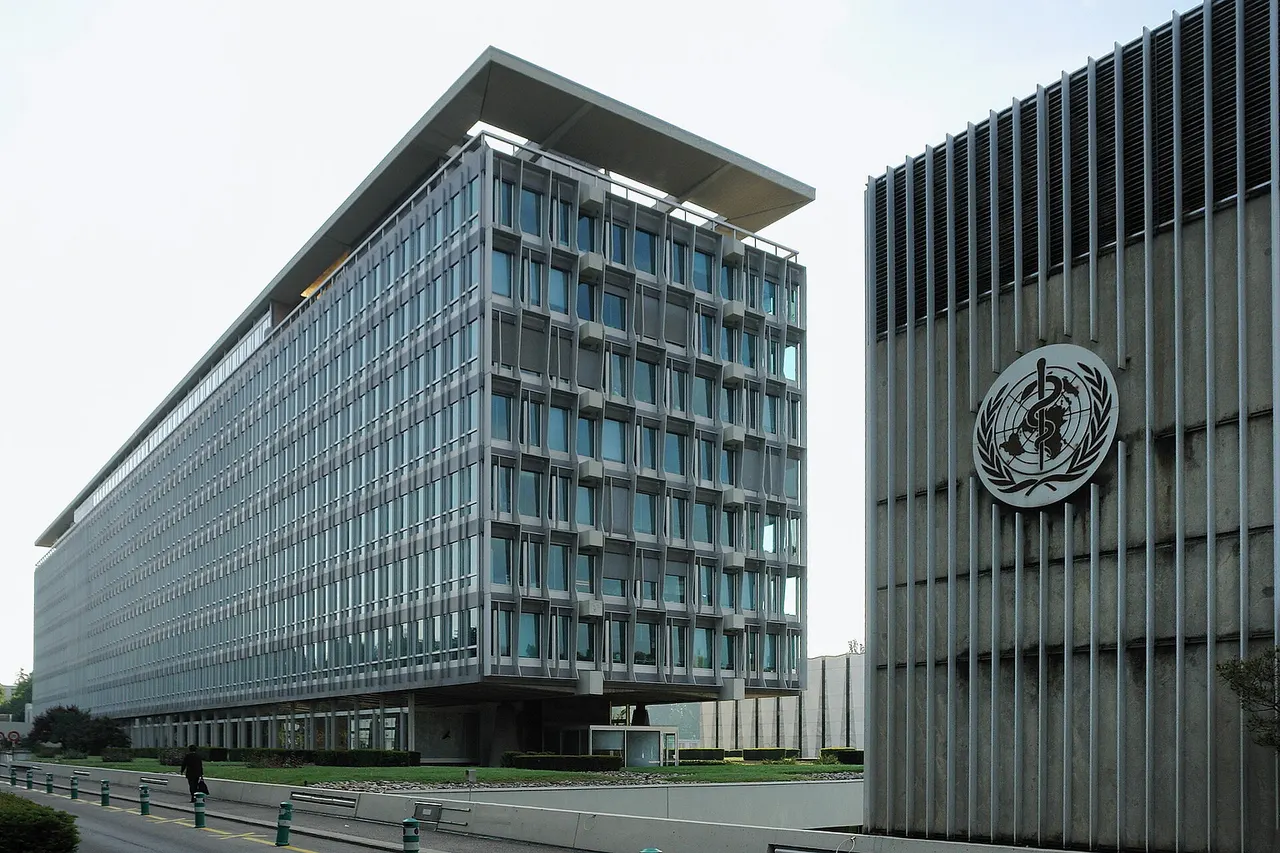
The World Health Organization (WHO) is actively working with health authorities and partners to assess the situation, support emergency health services, and ensure continued access to care. WHO also noted that global disasters are projected to increase by 40 percent between 2015 and 2030, driven by climate change and systemic underestimations of risk.
Aid teams continue efforts to reach isolated communities cut off by the floods.
Loading comments.