
Preliminary investigations have identified a collapsed glacier as the cause of the devastating flash flood on the Nepal-Tibet border on August 27, 2026. The flood has resulted in at least 177 fatalities.
Initial reports suggested an earthquake triggered a landslide causing the flood. However, the US Geological Survey (USGS) clarified that a "glacial collapse"—the disintegration of a glacier or part of it—was responsible. The impact of the collapsed glacier hitting the valley floor was so powerful it registered a magnitude of 5.2, according to USGS data and scientific analysis.
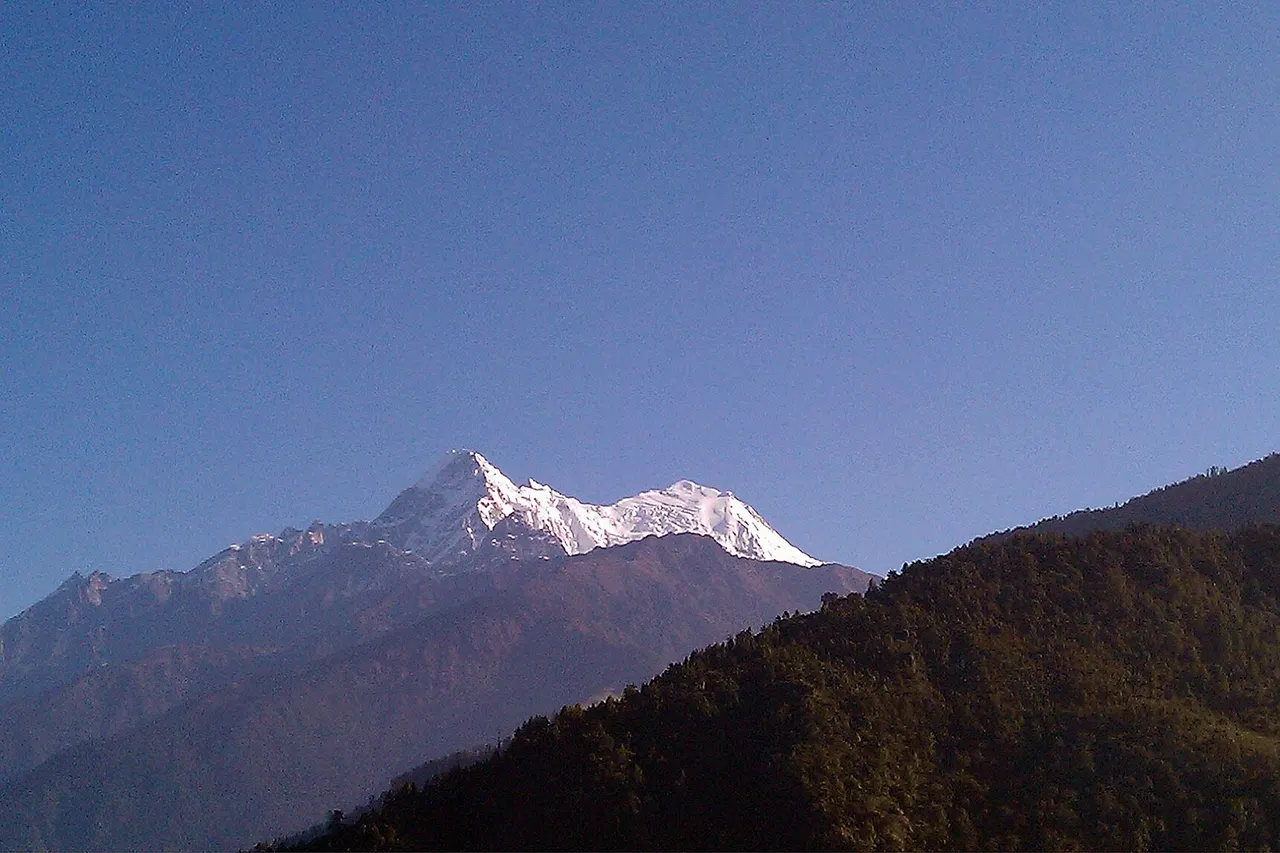
Dr. Simon Cook, a glacier expert at the University of Dundee, told the BBC that his team detected the collapse of the lower part of a glacier near the Langtang Lirung peak in Nepal, approximately 15 kilometers west of the flood site. He estimated the glacier collapsed in a northwesterly direction before moving westwards downstream.
Searle, another expert, explained that Langtang Lirung and the Himalayas are slowly rising due to long-term tectonic activity where one plate pushes another upward. This uplift causes glaciers to become steeper, making it inevitable that parts break off. Usually, these are smaller chunks that temporarily block rivers and are flushed out, but this event was on a much larger scale.
Mohd Farooq Azam, a specialist with the International Centre for Integrated Mountain Development (ICIMOD), noted that hazards in the cryosphere—the frozen parts of the Earth—are becoming more frequent and visible than ever before.
While it is difficult to attribute any single event directly to climate change, Dr. Cook said, "when you look at the pattern of these events, you do think climate change could have an impact."
This incident highlights the combined effects of tectonic uplift and climate change, with rising temperatures accelerating glacier melting in the Himalayas.
Notable Quotes
- "It's like putting a jack under the car, and then jacking it up."
- "As the mountain is rising, the glacier gets steeper and steeper, and it's inevitable that parts of it fall off."
- "These floods happen all the time, but not at this scale."
- "Two different processes - tectonics with the Himalayas uplifting, and then climate change with increasingly high temperatures and melting of glaciers."
- "Is becoming more visible than ever before. The pace of change is so rapid."
Loading comments.