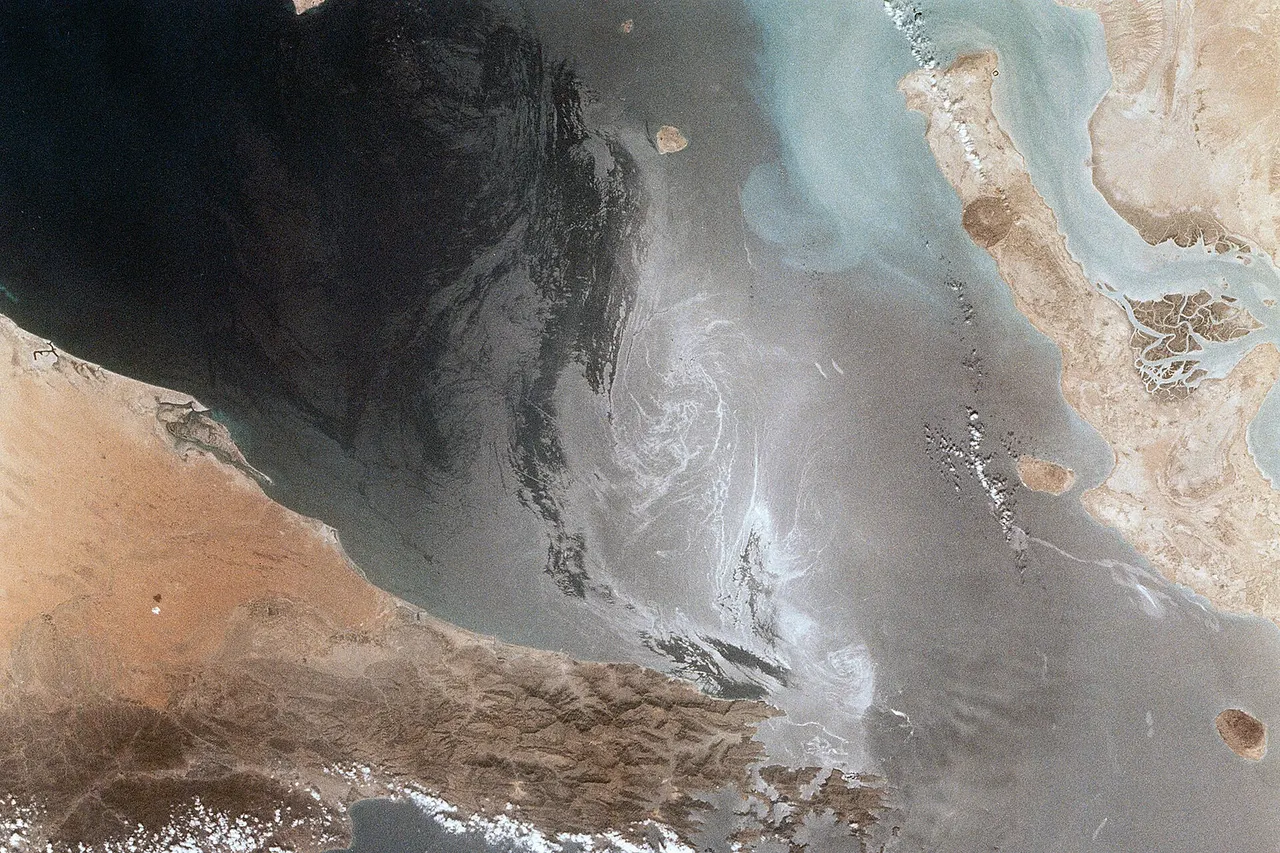

Iran and Oman are engaged in talks to establish a temporary shipping corridor and clear mines in the Strait of Hormuz, a crucial passage for global oil and gas trade that has been blockaded amid the ongoing Middle East war.
The negotiations, ongoing as the conflict nears six months, aim to define conditions for a controlled resumption of navigation. Both countries border the strait and are working to outline future administration and maritime services in line with international law and in consultation with Gulf states.
A US-Iran memorandum of understanding signed in mid-June set the stage for reopening the strait, delegating the responsibility to Iran and Oman to finalize the details. In Tehran on Tuesday, the Iranian and Omani foreign ministers discussed a framework agreement to establish a "temporary corridor" for shipping and a project to clear mines, according to a joint statement by their foreign ministries.
Omani Foreign Minister Badr Albusaidi expressed hope on social media that the corridor and practical arrangements to restore safe navigation would be announced soon. He added that if the plan is agreed upon, Iran and Oman would have 30 to 60 days to finalize a permanent route. The talks involve Iran's Revolutionary Guards, who have drawn up the maps under discussion.
The Revolutionary Guards also revealed they agreed with Oman to share revenues from any fees imposed in the strait, a proposal rejected by Washington.
However, reopening the Strait of Hormuz is contingent on broader conditions, including an end to the war on all fronts, lifting of blockades, and resolution of the situation in Yemen. Additionally, the United States must fully implement all commitments it has breached before any reopening occurs.
Future management of the strait and a permanent solution are expected to follow in due course.
Loading comments.