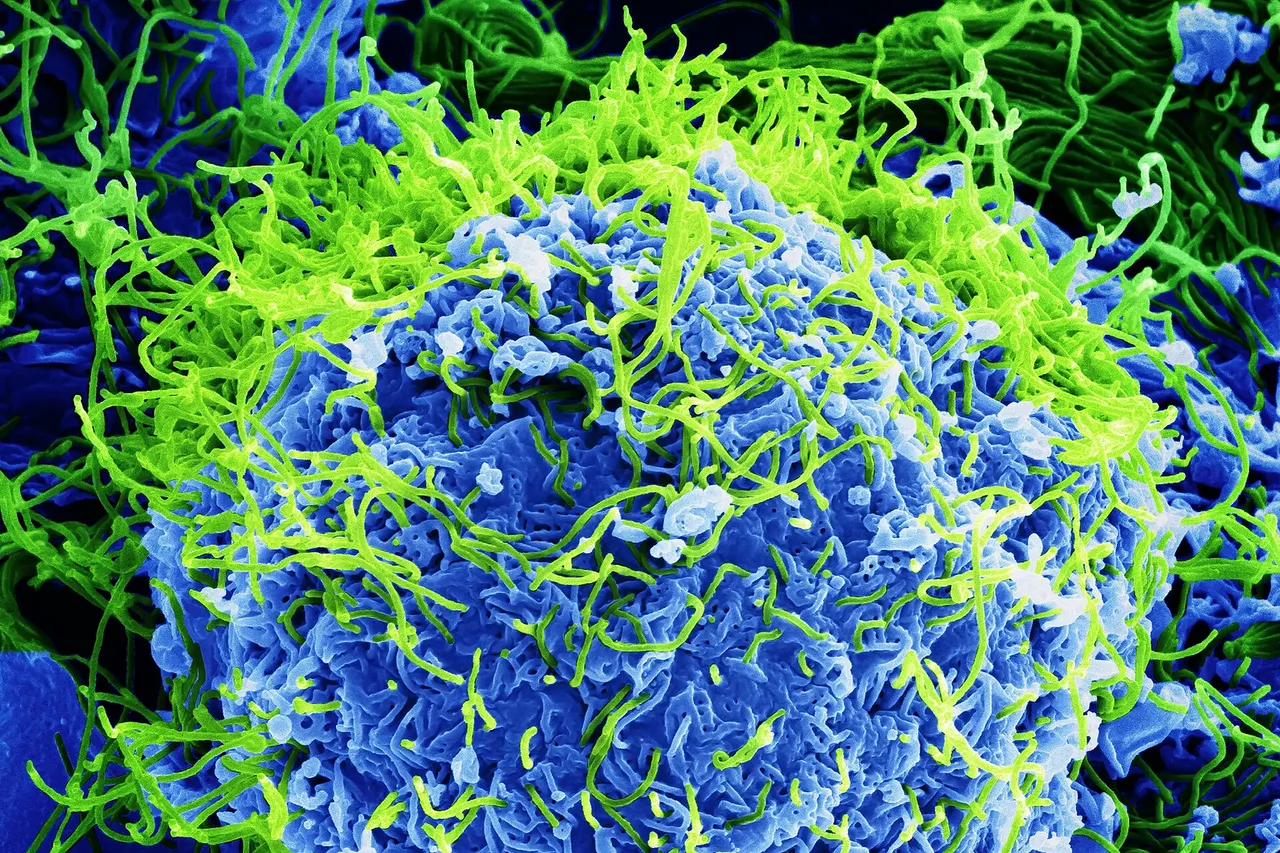
Local officials in the Democratic Republic of the Congo (DRC) reported on Tuesday, August 11th, 2026, that deaths from the Ebola virus disease have surpassed 2,000, with half of those fatalities occurring in the last 20 days. The outbreak, caused by the Bundibugyo species, was declared by DRC health officials on May 15th and labeled a public health emergency of international concern by the World Health Organization (WHO) two days later.
With over 4,000 confirmed cases, this outbreak is both the second-largest and the fastest-growing Ebola epidemic on record, second only to West Africa’s 2014 to 2016 outbreak which resulted in more than 11,000 deaths. Just three months into the current emergency, the death toll is nearing the total number killed in the 2018 to 2020 epidemic, despite fewer overall cases then.
WHO reports that 60 to 70 percent of Ebola deaths occur in communities where many patients are unable to see a doctor until it is too late. The Ebola Bundibugyo virus remains difficult to control in eastern DRC due to ongoing violence by non-State armed groups in the remote, mineral-rich region and limited access to healthcare for vulnerable populations.
Alarmed by the rapid spread, local health officials have raised concerns that the virus may be mutating. In response, the director of the Africa Centres for Disease Control and Prevention recently met with WHO Director-General Tedros Adhanom Ghebreyesus to investigate this threat.
Julian Harneis, the UN’s senior Ebola coordinator in the DRC, emphasized the urgent need for action, stating that aid workers, organizations, governments, donors, and local communities “must do more, and do it today, to save lives and stop Ebola.”
Compounding the crisis, the UN’s humanitarian aid office (OCHA) reported that at least 13 civilians were killed, several abducted, and homes burned in a Friday attack on the village of Banana École in Ituri, forcing over 28,000 people to flee.
Scientists are racing to develop a vaccine as the outbreak continues to escalate.
Loading comments.