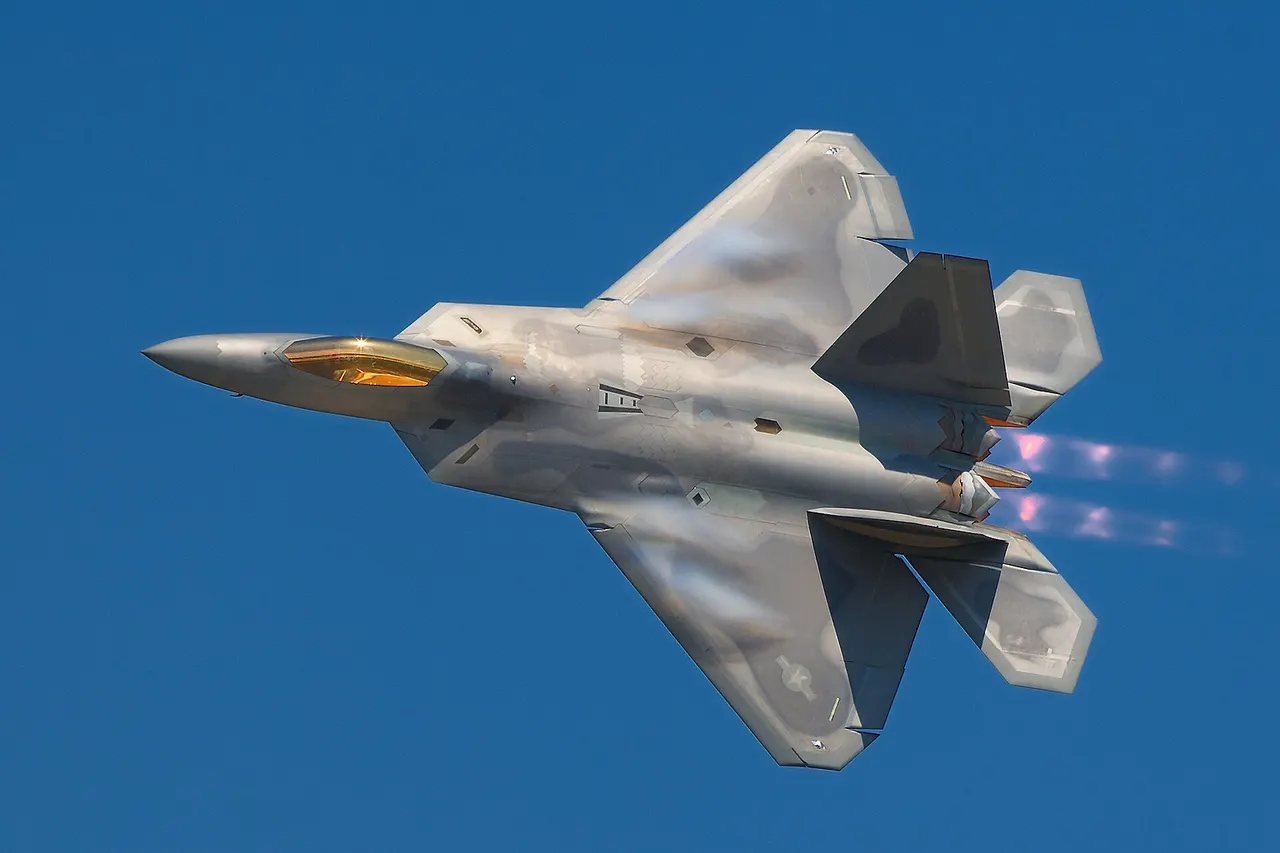

America’s premier offensive and defensive weapons stockpiles are nearly depleted after over five months of airstrikes against Iran, undermining President Trump’s leverage in authorizing major combat operations against the Islamic Republic.
The U.S. military has used up “virtually all” of its surface-to-surface munitions, including army tactical missile systems (ATACMS) and precision strike missiles (PrSM), according to a Reuters report. ATACMS, produced by Lockheed Martin, can be launched from highly mobile artillery rocket system (HIMARS) launchers to strike targets nearly 200 miles away with close to a 400-pound payload. PrSM, also made by Lockheed Martin and intended to replace ATACMS, have a range exceeding 300 miles and can be launched from HIMARS and M270 multiple launch rocket system (MLRS) launchers. The U.S. had about 90 PrSM missiles before the conflict escalated in February 2026.
Former Defense Secretary Leon Panetta criticized the Pentagon’s handling of the munition stockpiles as “poor planning,” highlighting the risks amid potential renewed attacks against Iran if diplomatic talks fail and emerging threats from Russia and China, especially if Beijing invades Taiwan. Panetta, who also served as CIA director under former President Obama, called the situation “a dangerous moment for the United States” due to reduced key weapons stockpiles.
President Trump reportedly demanded answers from the Pentagon chief during a July 31 meeting at Camp David regarding why he was misled about the shortage’s extent, though both the Pentagon and White House denied this coverage.
In response to the shortages, the Department of Defense announced a framework agreement with Northrop Grumman and Lockheed Martin to increase production of THAAD missiles and Patriot Advanced Capability-3 (PAC-3) interceptors, which are used in the Patriot air defense system.
Loading comments.