
Donald Trump, the US president, is known for his formal powers such as authorizing military actions, granting pardons, and managing legislation. However, as of early August 2026, he has increasingly adopted the role of commentator-in-chief, providing ongoing commentary on a range of thorny topics including crime, immigration, the Iran war, and controversies within his administration.
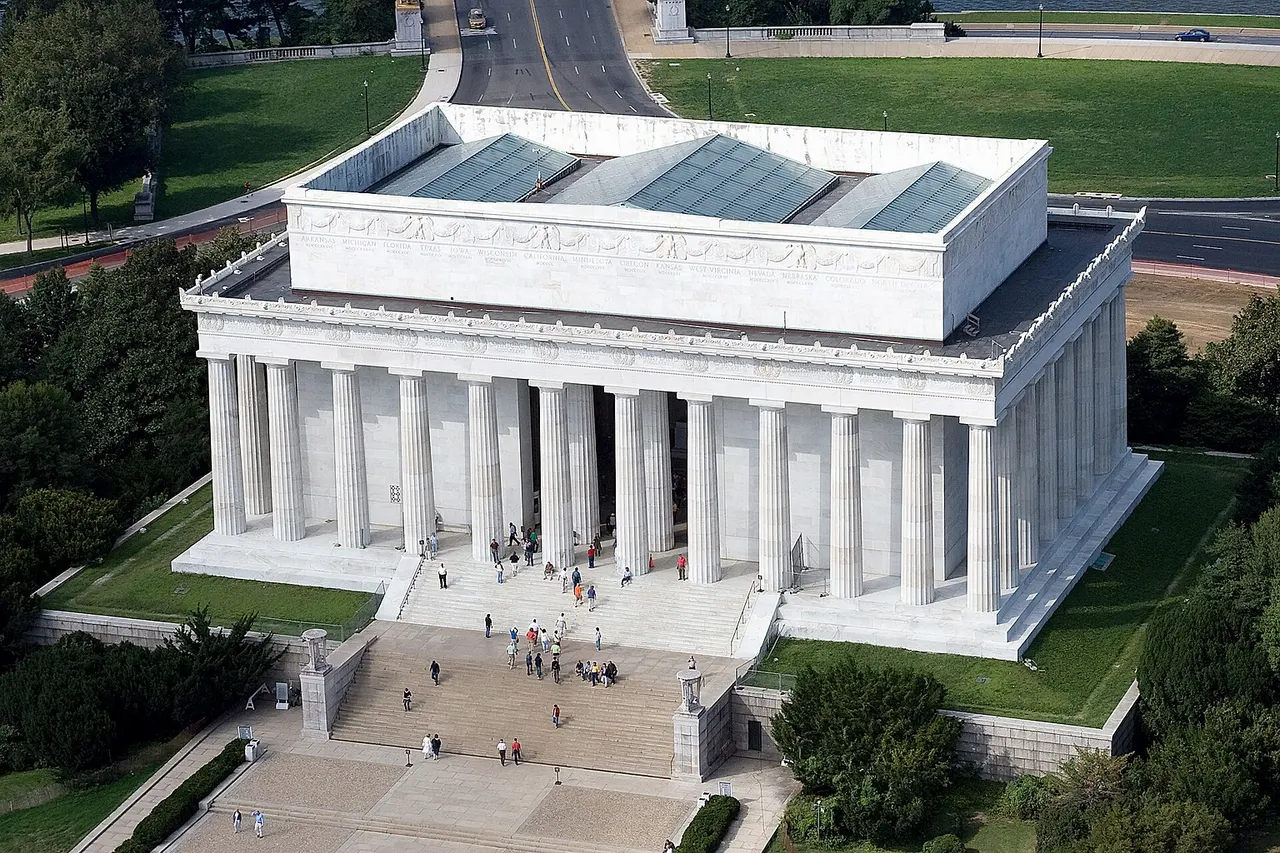
Rather than issuing formal decisions, Trump's remarks often include phrases like “people are saying” or “some people think,” signaling a shift toward shaping public opinion. For example, on Saturday, August 1st, 2026, Trump posted on his Truth Social platform a vivid but inaccurate claim about vandalism at the Lincoln Memorial's algae-afflicted Reflecting Pool, urging followers to "Look for yourselves at the VANDALISM that took place at The Reflecting Pool."
When pressure increased over his administration’s handling of the Jeffrey Epstein files, Trump chose to comment publicly instead of deferring to the justice department as past presidents might have done. More recently, his attorney general nominee, Todd Blanche, announced plans to abandon Trump’s controversial $1.8 billion “anti-weaponisation fund” to gain support from Republican senators John Cornyn and Thom Tillis. Trump clarified that this decision was not his but shared his own views extensively.
In an interview with New York Times reporters Maggie Haberman and Jonathan Swan for their book Regime Change, Trump displayed a document claiming he is the most powerful person in history, surpassing figures like Attila the Hun, Genghis Khan, Napoleon, Stalin, Mao, and Hitler.
This blending of presidential authority with a media commentator’s voice marks a notable development in Trump's approach to leadership and public communication.
Sources
- Guardian US by David Smith, August 5, 2026
Loading comments.