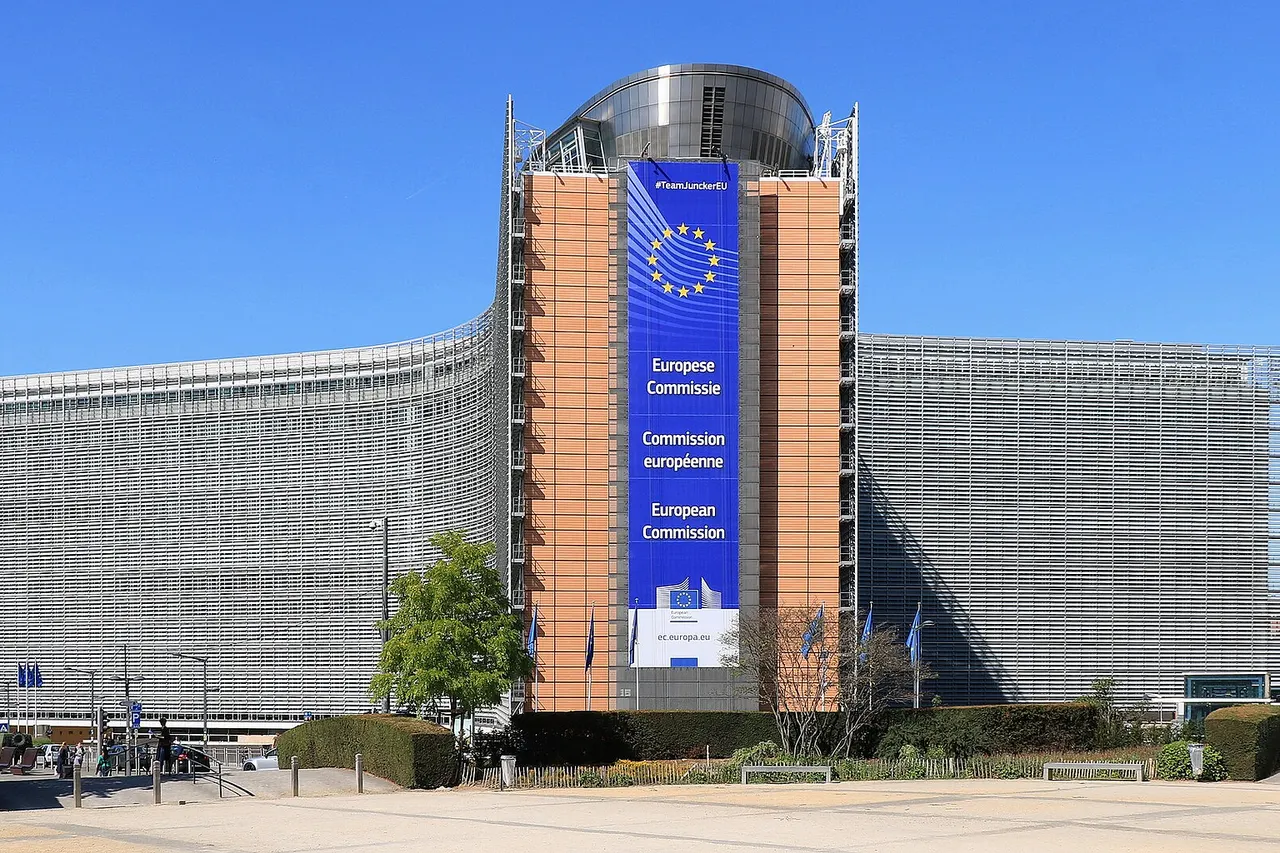

As Ukraine continues to expend drones in its conflict with Russia, Europe's efforts to supply Kyiv have revealed the difficulty of producing sufficient drones without Chinese-made components. In April 2026, the European Commission approved an exception allowing Ukraine to use part of a multibillion-euro EU defense loan to procure drones containing a higher share of components from outside the EU's approved supplier countries.
Although European officials did not explicitly name China, a July 15 report by the Financial Times, citing sources familiar with the decision, stated that Kyiv obtained a carve-out to purchase drone components from China. Analysts note that China's advantage is not in any single component but in its extensive manufacturing ecosystem developed over decades, which enables it to scale production and influence supply chains that Europe cannot quickly replace.
The European Commission emphasized on June 30, 2026, that drones are "a key capability" for Ukraine to withstand Russia's war, announcing the first payment of 3.9 billion euros (US$4.6 billion) under a drone procurement package worth about 6 billion euros. The Commission also highlighted the challenge of obtaining critical products "in the required quantities and within very short timeframes," given the rapid loss, replacement, and modification of drones in the conflict.
Andrii Tyndyk, CEO and co-founder of Ukrainian drone motor manufacturer AeroMotors, echoed that China's strength lies in its manufacturing ecosystem rather than a single technology or government program. AeroMotors reported a production capacity of about 10,000 drone motors per month as of December 2025 and aims to increase this to 60,000 amid rising demand, supported by investment from Swedish venture capital firm Front Ventures.
Analysts suggest that while more sensitive and networked military systems will increasingly rely on components from Europe or trusted partners, cheaper Chinese inputs may continue to play a role in expendable drones that are produced and lost in large numbers. China reportedly seeks to avoid being seen by Europe as enabling Russia or by Moscow as arming Ukraine.
This situation illustrates the structural, rather than transactional, nature of China's influence on drone supply chains, posing a strategic challenge for Europe as it accelerates efforts to reduce dependence on Chinese components.
Sources
- CNA Latest News: Europe's race to arm Ukraine exposes how hard it is to build drones without China
- Financial Times (cited within CNA report)
Loading comments.