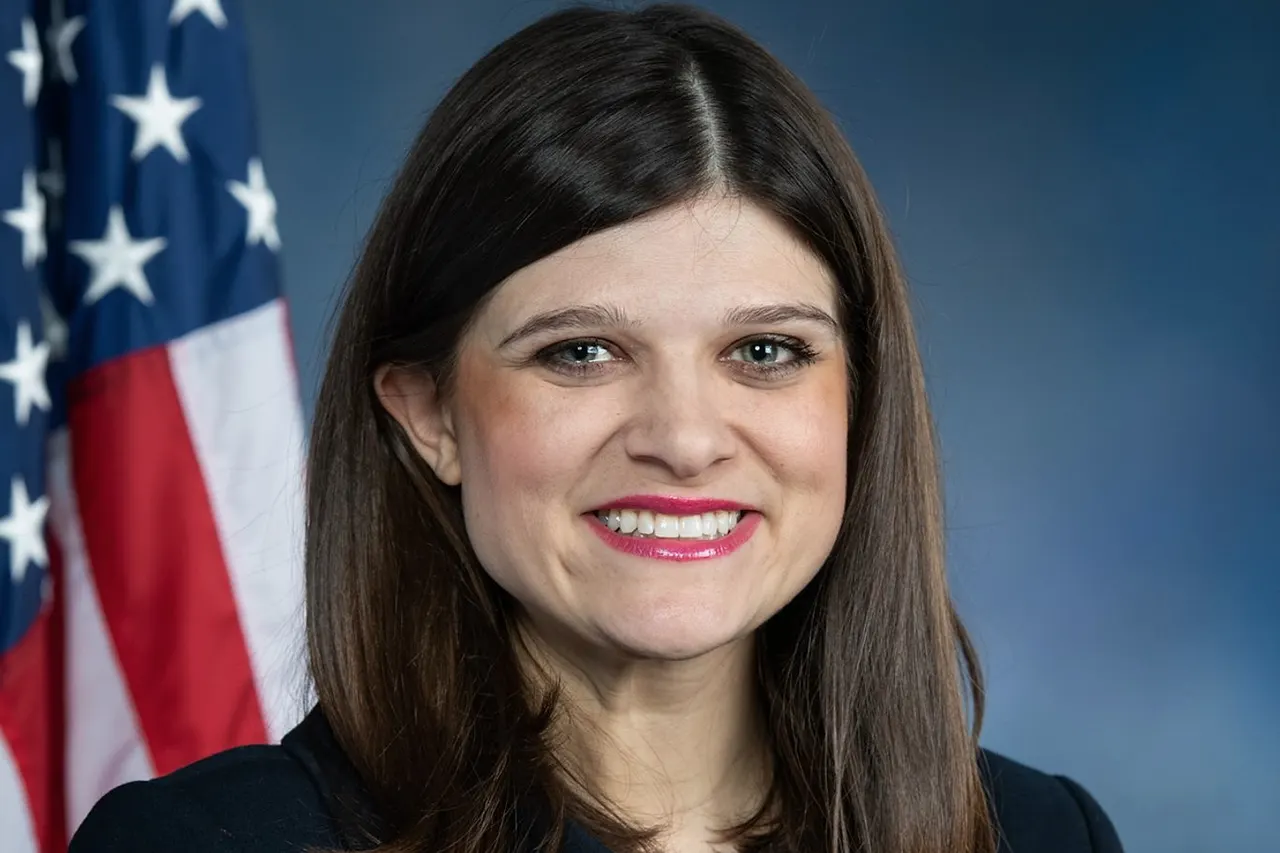

On Tuesday, August 5th, 2026, Abdul El-Sayed defeated Haley Stevens in the Michigan Democratic Senate primary, according to projections by the Associated Press. This high-profile contest has drawn national attention as it underscores a growing ideological divide within the Democratic Party.
El-Sayed, a progressive epidemiologist known for advocating reduced corporate influence in politics and criticizing US aid to Israel, ran as an outsider. He received endorsements from prominent progressive figures including Senator Bernie Sanders and Congresswoman Alexandria Ocasio-Cortez. Stevens, by contrast, was a well-funded moderate supported by establishment Democrats such as Michigan Governor Gretchen Whitmer and Senate Minority Leader Chuck Schumer.
The race in Michigan, a key swing state that has alternated between parties in the last four presidential elections, is seen as a bellwether for the party’s messaging and strategy in challenging President Donald Trump ahead of the crucial November midterms.
David Smith, associate professor at the United States Studies Center at the University of Michigan, noted the significance of such progressive victories, referencing Zohran Mamdani’s unexpected win in a New York mayoral race about 18 months ago. Smith commented, "But he ran quite an extraordinary campaign, and even though there was a lot of scepticism that a Muslim who branded himself as a socialist could win a general election, could win a Democratic primary even, he won."
Emily Lawler, politics editor at the Detroit Free Press, told ABC Radio National that voters are closely watching the midterms not only for control of Congress but also as an indicator of the Democratic Party’s direction heading into 2028.
When questioned about campaign contributions from AIPAC, Stevens stated, "Anyone who supported me is supporting me because of my dedication to the people of Michigan, and the things that I have done for Michiganders."
Smith also remarked on the broader political environment, saying, "Because with President Trump's approval rating so low and with people's perceptions of the economy being so bad because of the very real cost-of-living pressures that everybody is facing, it might not even matter who Democratic candidates are in that environment."
This primary result highlights the ongoing tension between establishment and progressive wings of the Democratic Party as it prepares for the upcoming midterm elections.
Loading comments.