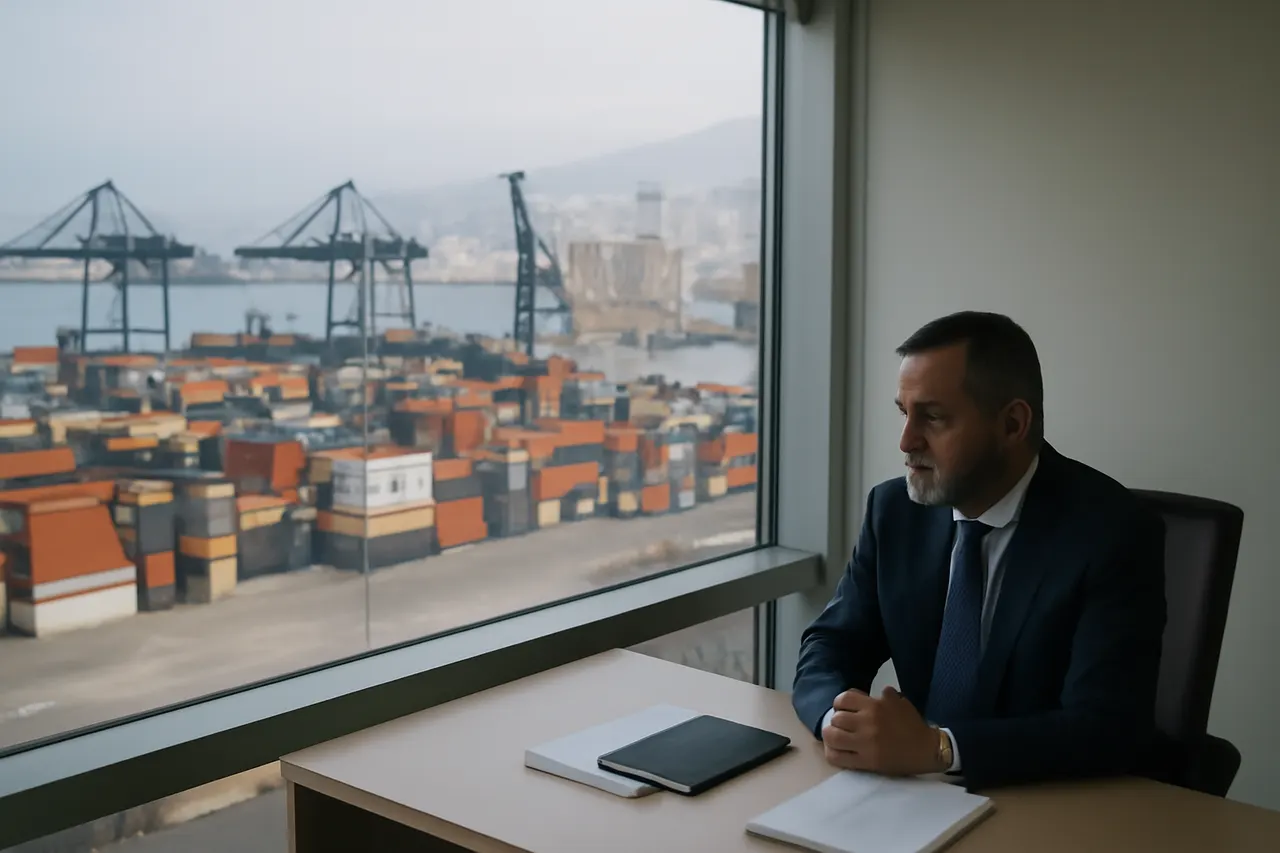
On the evening of August 4, 2020, at 6:07 PM, a devastating explosion at the Beirut port killed at least 218 people, wounded 7,000, and left more than 150 physically disabled. The blast was caused by thousands of tonnes of ammonium nitrate stored in the heart of Beirut, with documented knowledge of the hazard by top state officials.
The investigation into the explosion has faced significant delays. The first investigating judge was removed after summoning ministers, and his successor, Judge Tarek Bitar, has been hindered by lawsuits filed by the very officials he sought to question. These legal challenges, coupled with political immunity protections written by politicians themselves, have suspended the investigation for years.
The case file, which names 70 officials and security officers, has been submitted to Public Prosecutor Ahmad Rami Al Hajj. The indictment that would bring the case to trial depends on Al Hajj's opinion on the file, and until then, accountability remains on hold.
French forensic experts arrived shortly after the explosion and shared their findings with Judge Bitar. In 2023, Australia represented 38 states at the UN Human Rights Council to demand a “swift, independent, impartial, credible, and transparent investigation” into the blast.
Families of the victims emphasize the urgent need for justice, highlighting the prolonged suspension of the investigation and the obstacles placed by those implicated.
Loading comments.