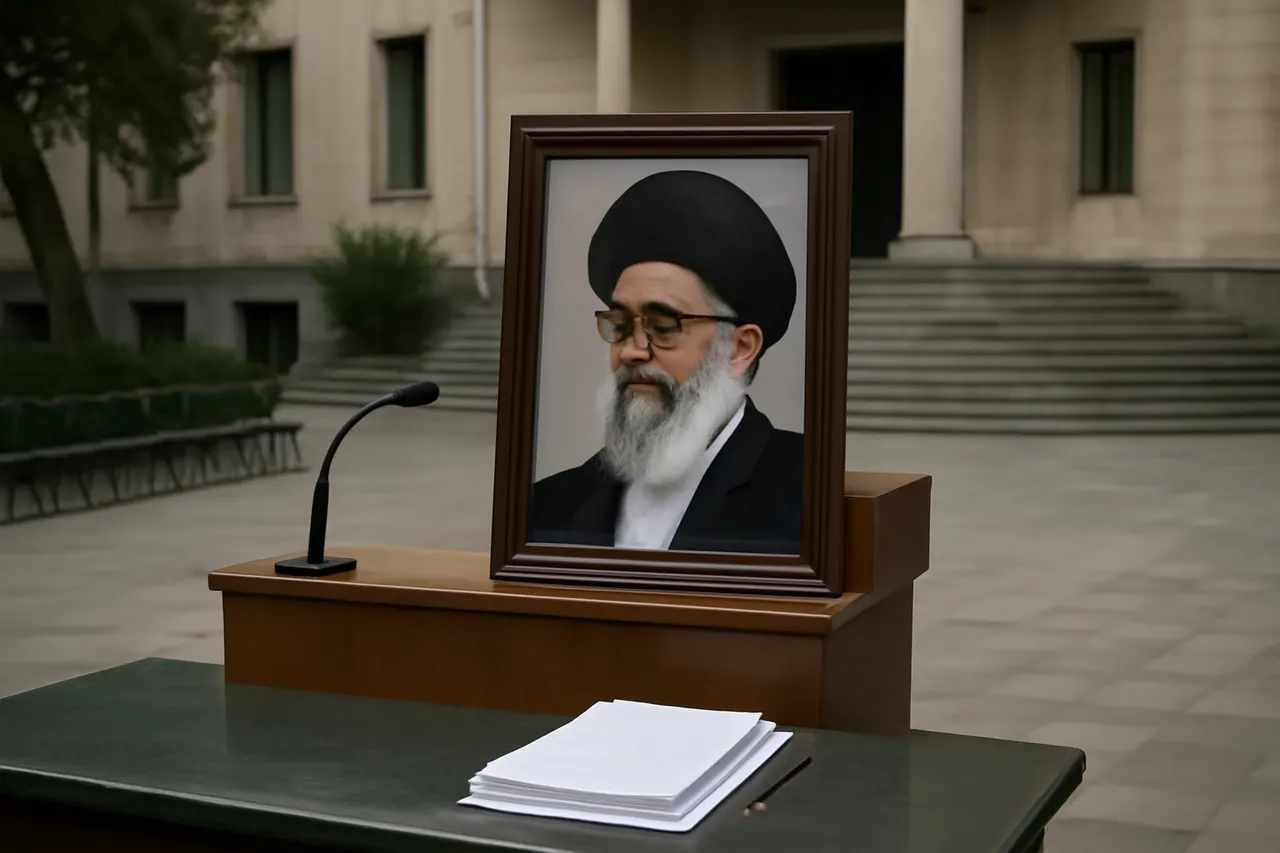
Iran’s internal political factions are increasingly using the name of Supreme Leader Mojtaba Khamenei to attack opponents and secure their own positions, even as doubts remain about whether he is actively governing the country, according to experts.
Reports published by Iran International highlight a power struggle involving Iranian President Masoud Pezeshkian and the new supreme leader. Senior cleric Mohammad-Bagher Kharrazi, related to the Khamenei family by marriage, alleged that Pezeshkian had repeatedly threatened to resign and was warned that his next resignation would be accepted. However, Mehdi Tabatabaei, Pezeshkian’s deputy for communications, dismissed these claims as "baseless and an outright lie," and another presidential advisor stated that Kharrazi had no contact with the supreme leader and was known for telling "strange stories."
Kasra Aarabi, director of IRGC research at United Against Nuclear Iran, described the competing claims as reflective of a deeper struggle within what he called an "Islamist oligarchic mafia system." He explained that Mojtaba Khamenei’s name has become a political instrument used by factions to legitimize themselves, constrain rivals, or justify decisions with unclear origins.
Aarabi further noted, "The very essence of this mafia system is built on a godfather," referring to the supreme leader’s role. He added, "If the godfather is absent, whether because he is severely incapacitated or nonexistent, that vacuum … re-emerges between the various Islamist oligarchic clans."
Amid these tensions, rumors of resignations circulate as political figures attempt to build public sympathy before being sidelined. One warning reportedly stated, "If he resigns one more time, I will approve it."
The prolonged public absence of Mojtaba Khamenei raises ongoing questions about who truly governs Iran.
Loading comments.