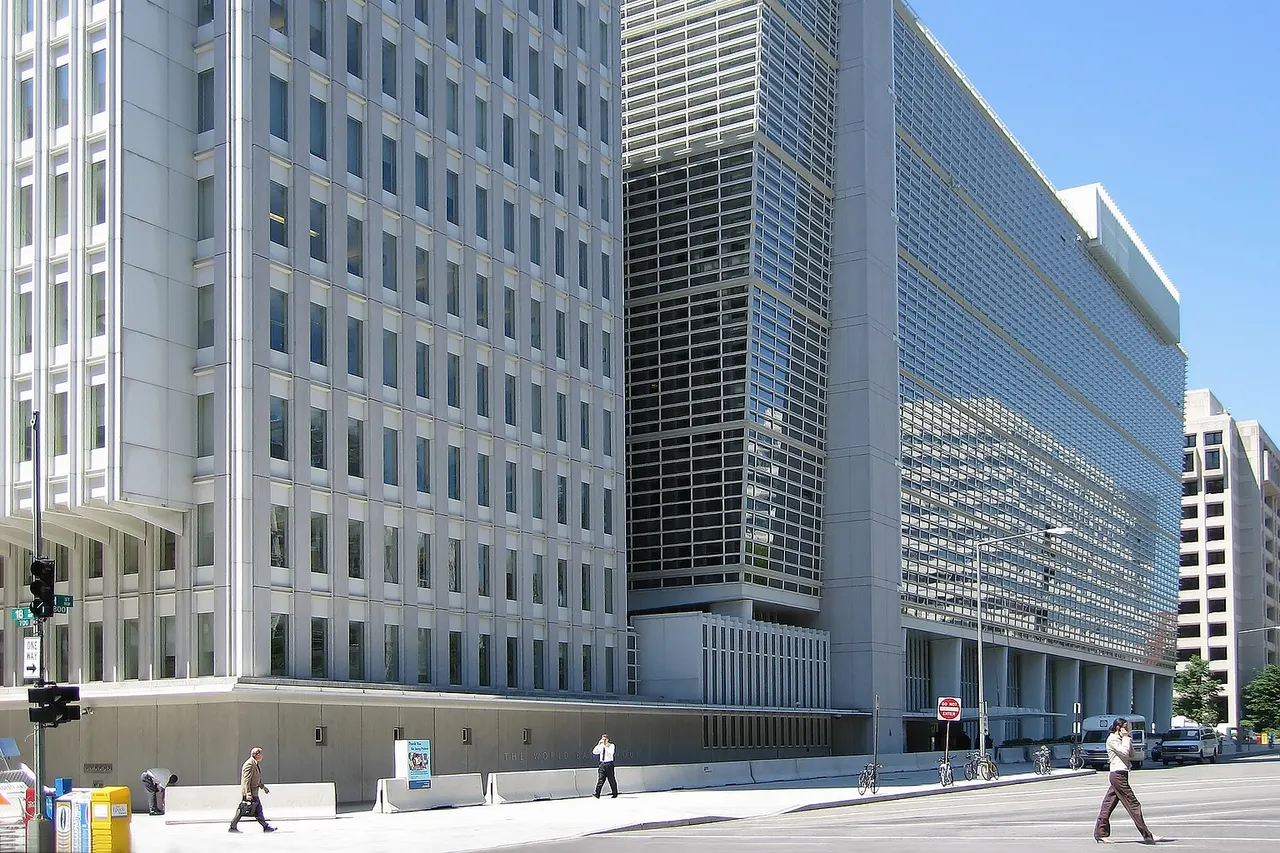

The World Bank on Monday, August 3, 2026, maintained its growth forecast for the Philippines at 3.7% for the year 2026. Zafer Mustafaoglu, the World Bank division director for the Philippines, Malaysia, and Brunei, stated at an economic forum in Manila that "growth is set to decelerate in 2026 on the back of weak investment, constrained consumption and sustainability."
This forecast is slightly below the 4.1% average growth expected for developing economies in East Asia and the Pacific. The World Bank anticipates growth to rebound to 5.2% in 2027—down from an earlier projection of 5.6%—and to reach 5.5% in 2028 as public investment recovers and economic conditions improve.
The Philippine government's economic managers expect growth between 3.5% and 4.5% for 2026, a downward revision attributed to the Middle East crisis and an infrastructure-related corruption scandal that slowed government spending. The economy grew 2.8% in the first quarter, below expectations, affected by the Middle East conflict and delayed budget passage.
Inflation is projected to average 5.8% for 2026, which is lower than the 6% to 7% forecast by Philippine economic managers. It is expected to ease to 5.2% in 2027 as governance stabilizes, public investment recovers, and the central bank resumes monetary easing.
The World Bank also noted that the depreciation of the Philippine peso has fueled inflation by keeping import costs high and delaying a slowdown in price increases. The peso is expected to trade between 60 and 62 per US dollar from 2026 to 2030, according to the government's economic managers.
Loading comments.