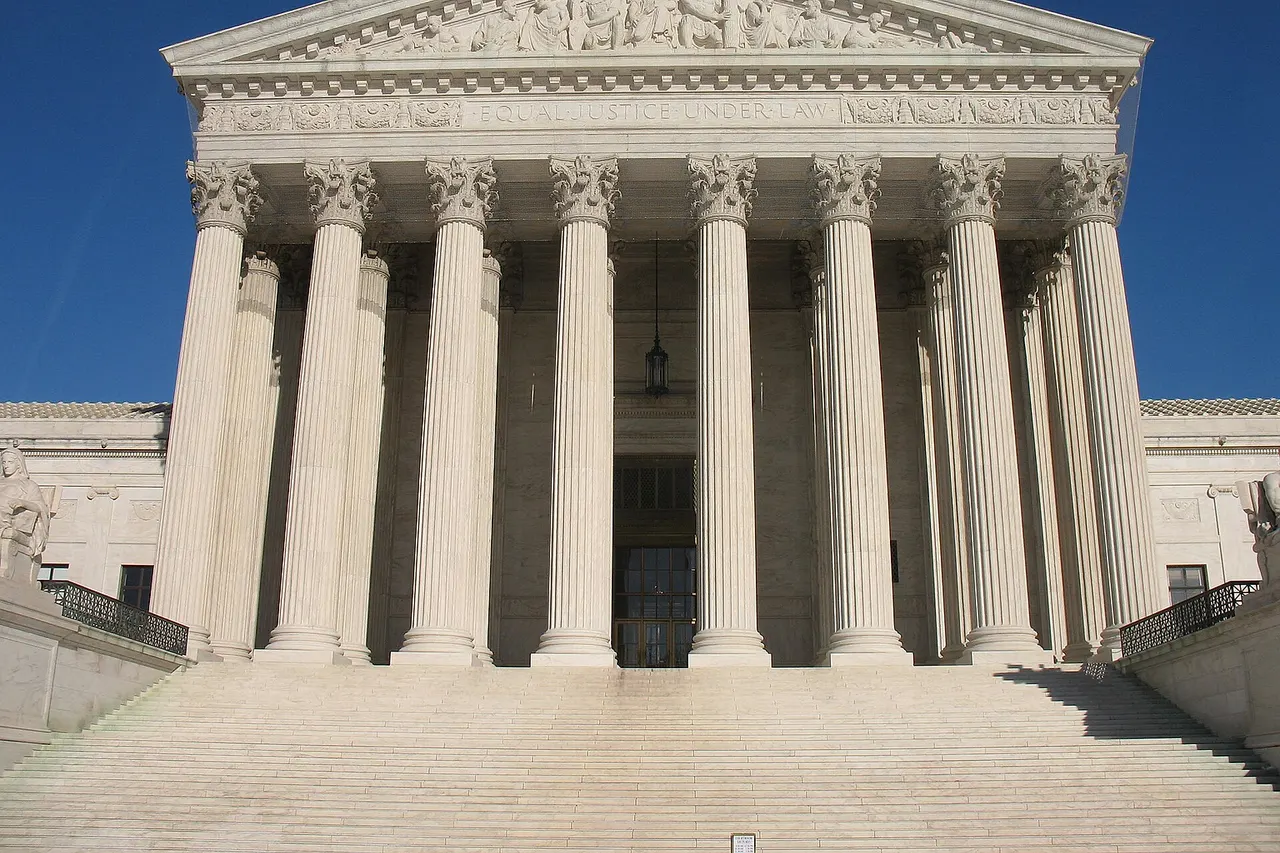

Supreme Court Justices Amy Coney Barrett and Elena Kagan testified before a House Appropriations subcommittee on July 14, 2026, amid growing public scrutiny of the Court's role in American politics. Nearly 50 years ago, political scientist Robert Dahl observed that the Supreme Court is not just a legal institution but also a political one, a duality Americans often struggle to acknowledge.
Recent polling indicates a shift in public opinion, with more than half of Americans disapproving of the Court’s job performance and 46% believing that Trump administration policies favored by the Court are based on ideology rather than law. This skepticism places the current Court in controversial company alongside the Taney Court of the mid-19th century, known for the Dred Scott decision, and the 1930s Court, which challenged Franklin Delano Roosevelt’s New Deal.
On June 29, after the Court granted the president authority to dismiss members of formerly independent federal regulatory agencies, economist Paul Krugman stated, “Today, the Supreme Court declared war on U.S. democracy.”
Senator Sheldon Whitehouse (D-R.I.) analyzed the Court’s 2017-2018 term, concluding that traditional conservative judicial principles such as modesty, originalism, stare decisis, and federalism have been set aside to secure partisan Republican victories.
The Court’s political nature was also highlighted by Justice Antonin Scalia’s remarks during the legalization of same-sex marriage in Obergefell v. Hodges.
These developments underscore ongoing debates about the Supreme Court’s role and the public’s trust in its decisions.
Loading comments.