
On Monday, August 3rd, 2026, Iran stated it is not engaged in talks with the United States over control of the Strait of Hormuz, contradicting President Donald Trump's claims that final negotiations could begin imminently.
Iranian Foreign Ministry spokesperson Esmail Baghaei clarified in a press conference that Iran's only diplomatic discussions concerning the strait are with Oman, aiming to establish a safe shipping route through the waterway. Baghaei emphasized that the strait would largely remain closed to commercial shipping until the U.S. ends its naval blockade and military actions against Iran.
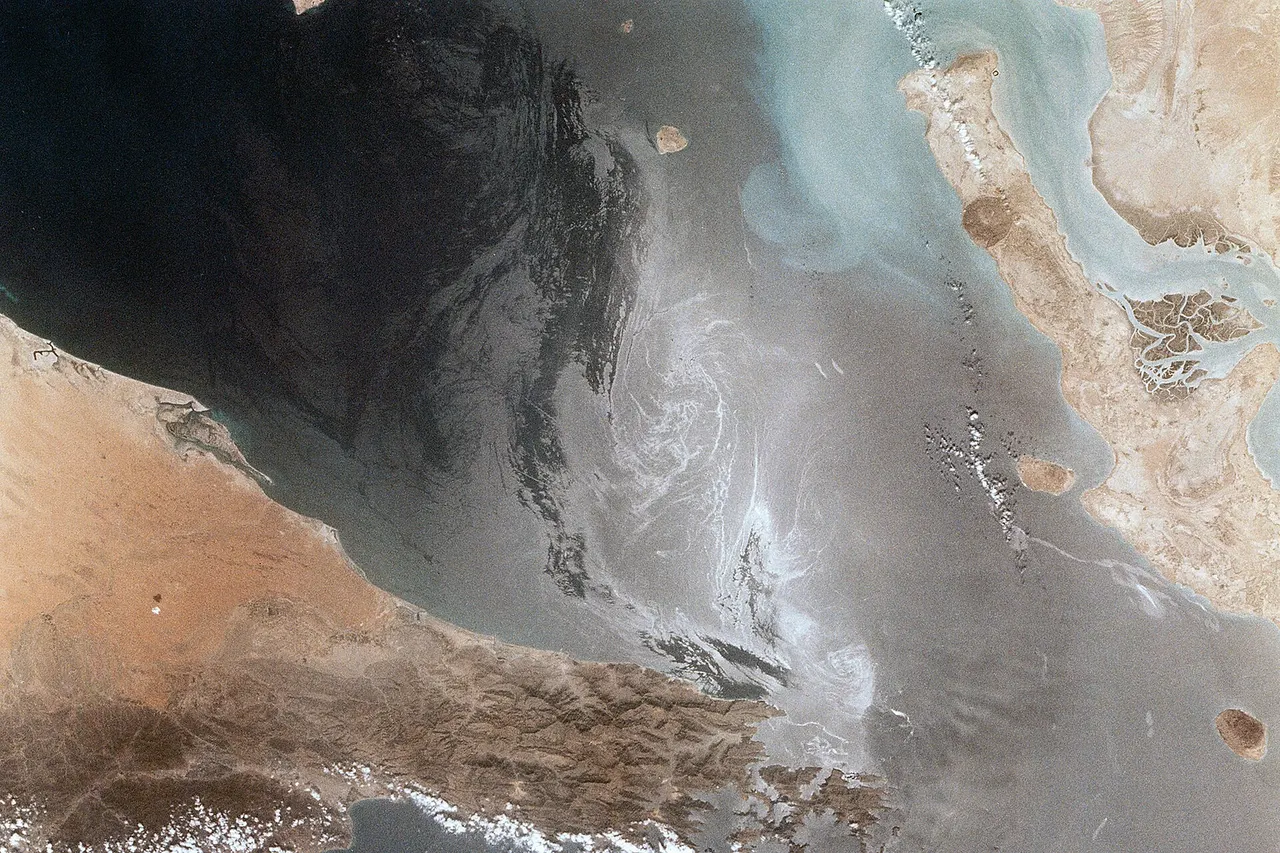
The Strait of Hormuz is a critical maritime passage, connecting the Gulf of Oman and the Persian Gulf, through which at least one-fifth of the world's oil and natural gas transit annually. Iran had announced a full closure of the strait shortly after the U.S. and Israel initiated hostilities against Iran in late February 2026.
Although commercial traffic began to recover following the Islamabad Memorandum of Understanding signed in June, that agreement has since collapsed, and traffic levels have stagnated in recent weeks. Brent crude oil prices stood at about $83 a barrel on Monday morning, down from a recent high of $93 but still significantly above prewar levels.
President Trump announced on Saturday via Truth Social that he had paused an imminent strike on Iran after U.S. allies in the Middle East reached a framework agreement intended to end the conflict and reopen the strait. Trump also stated that Israel "joins me in this commitment," though key Israeli officials have not publicly commented on any such deal.
Separately, Turkey’s state-run Anadolu Agency reported that the U.S. and Iran are expected to begin indirect negotiations soon to reopen the Strait of Hormuz, excluding discussions on Iran's nuclear program.
Sources
- Washington Times News: Iran says no talks with U.S. expected despite Trump's assurances
Loading comments.