.JPG)
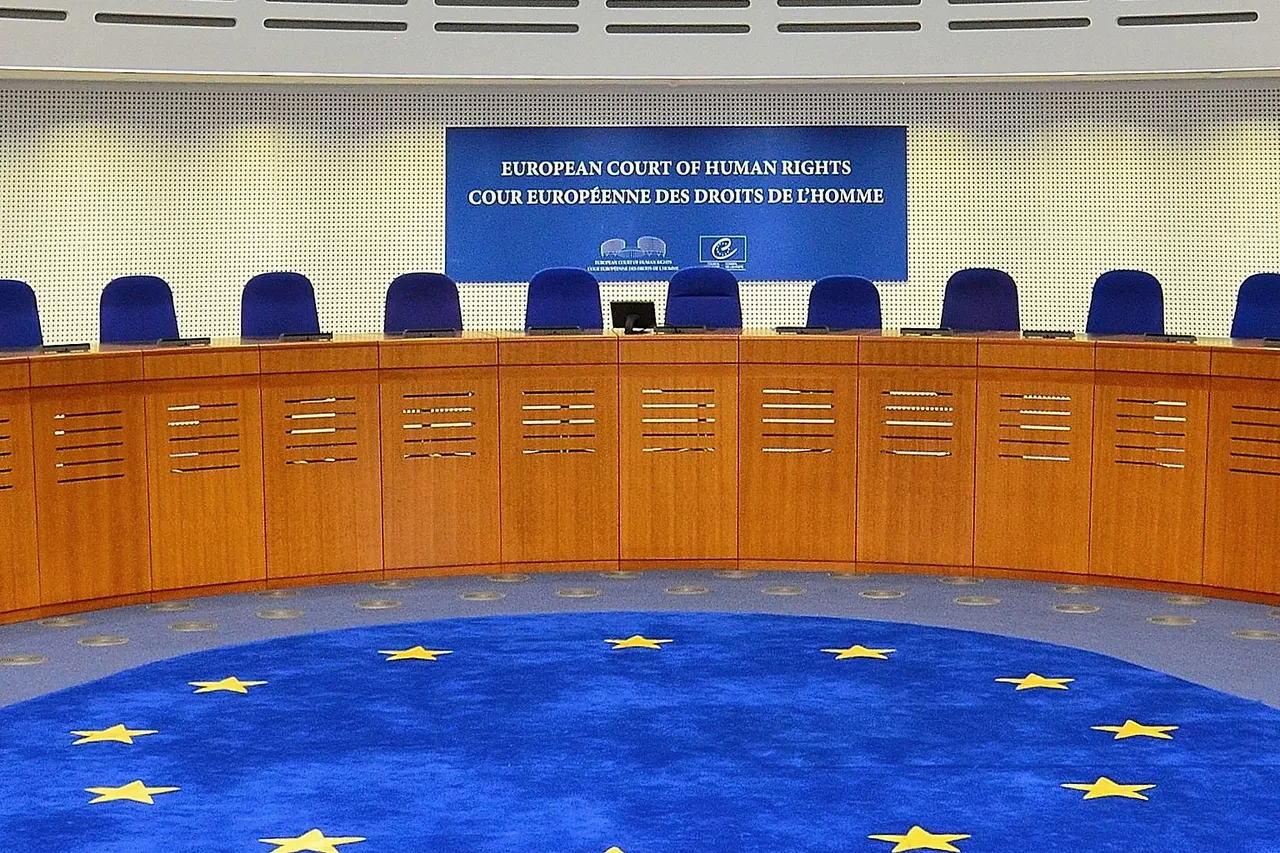
A recent paper by Natalie Alkiviadou, discussed in the Journal of Free Speech Law, examines a significant shift in the European Court of Human Rights' (ECtHR) handling of hate speech jurisprudence. Historically, the Court assessed hate speech primarily under Article 10 of the European Convention on Human Rights, which focuses on the permissibility of restricting expression.
However, the Court's response to a growing number of victim-initiated claims has redirected its analysis towards Articles 8 and 14. These articles address state responsibility for protecting individuals from harm caused by third-party speech. This shift recalibrates the balance between dignity, equality, and freedom of expression, expanding the definition of "victim" to include not only direct targets in protected groups but also individuals associated with such groups.
The paper argues that this evolving framework risks limiting the doctrinal safeguards traditionally linked to Article 10. Furthermore, it suggests that the Court's increasing expectations of positive obligations by states may encourage over-intervention by domestic authorities, potentially chilling legitimate public debate.
This analysis highlights the complex interplay between protecting individuals from hate speech and preserving free expression rights within the European human rights legal framework.
Sources
- Reason, Eugene Volokh, "Journal of Free Speech Law: 'Positive Obligations, Hate Speech, and the Reconfiguration of Free Expression at the European Court of Human Rights,' by Natalie Alkiviadou," August 3, 2026. Read more
Loading comments.