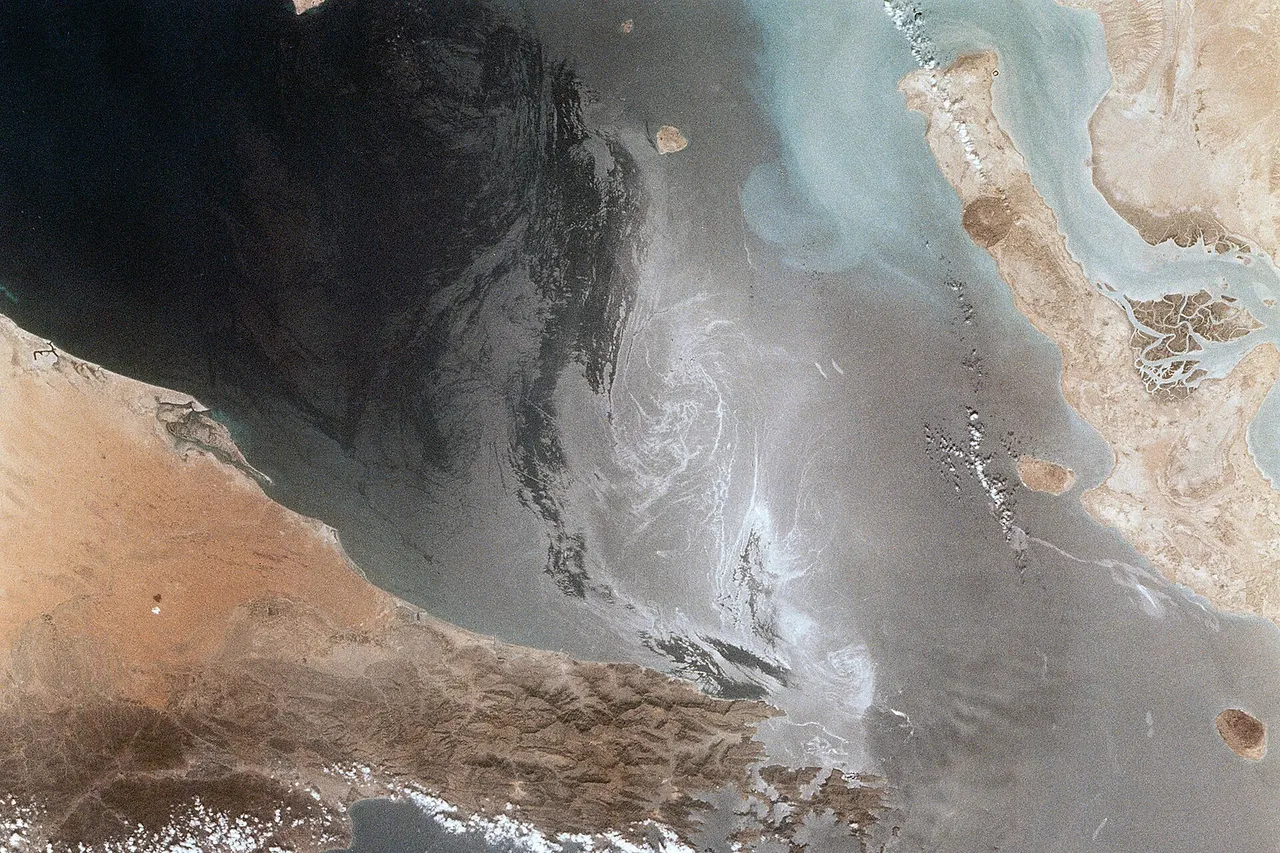

United States Secretary of State Marco Rubio has proposed a permanent geopolitical shift to reroute global energy transit away from the Strait of Hormuz, a critical chokepoint through which about 20% of global seaborne oil trade passed before the US-Israel war on Iran began.
In an interview with Fox News aired on Saturday, Rubio emphasized the threat posed by Iran’s control over the strategic waterway, calling for a major realignment in how energy commodities reach global markets.
However, experts and analysts warn that implementing such a shift faces substantial logistical and security obstacles. According to the US Energy Information Administration (EIA), the 39-kilometre (24-mile) strait handles roughly 20 million barrels of oil per day, representing about one-fifth of global petroleum liquids consumption.
The most pressing challenge is natural gas, as the entire liquefied natural gas (LNG) export ecosystem—including liquefaction plants, specialized tankers, and receiving ports—is heavily dependent on the Strait of Hormuz, said Abu Qamar.
While the United Arab Emirates operates the Abu Dhabi Crude Oil Pipeline, which transports up to 1.8 million barrels per day to the port of Fujairah on the Gulf of Oman outside the strait, existing alternative pipelines combined have a maximum capacity of only about nine million barrels per day. This falls drastically short of the 20 million barrels typically transiting Hormuz, as reported by an Al Jazeera explainer.
Moreover, major global energy companies remain hesitant to invest billions in new infrastructure projects due to inadequate protection against modern drone warfare, raising concerns about the vulnerability of such assets.
These factors underscore the complexity and risks involved in Rubio’s vision to bypass the Strait of Hormuz.
Loading comments.