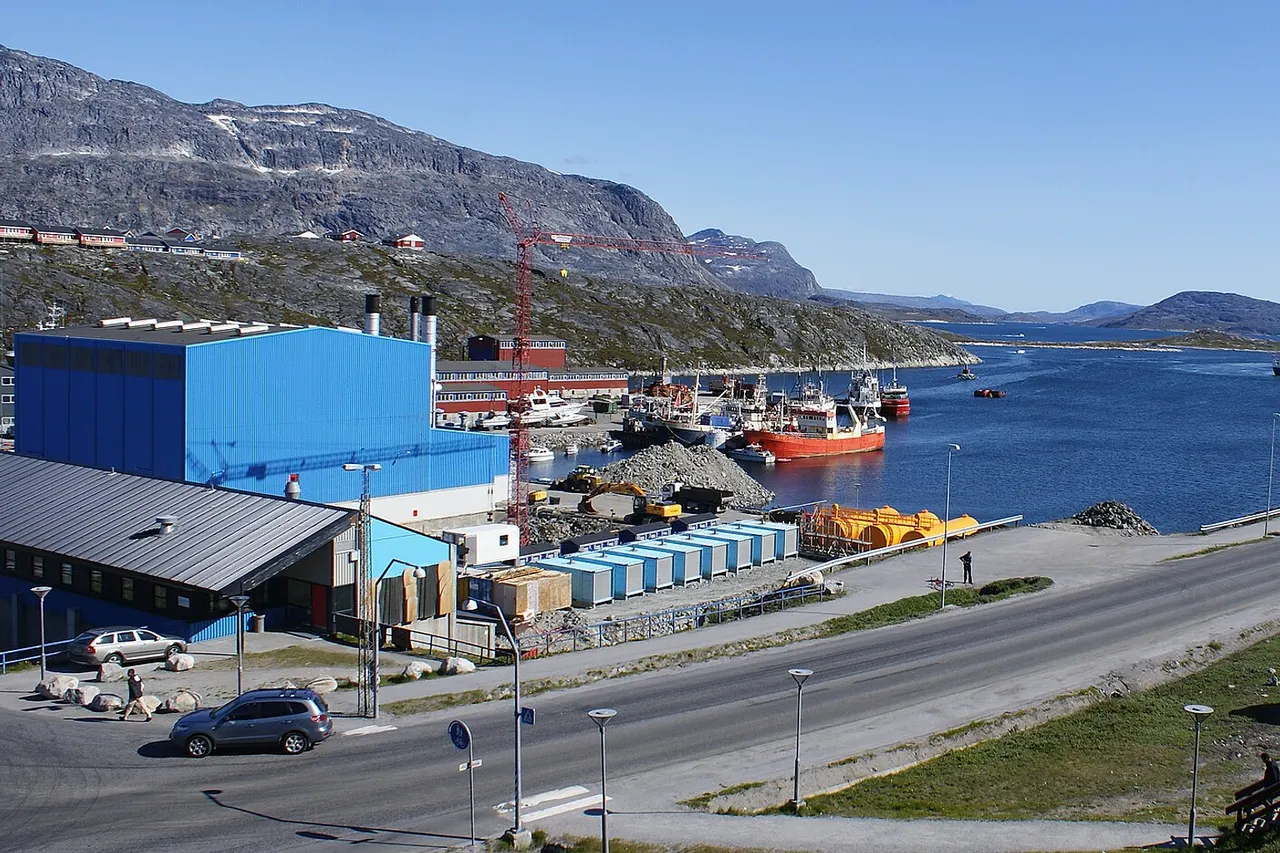

In Nuuk, Greenland’s capital, Filipino nurse GP Dupitas and other Southeast Asian migrants are experiencing heightened anxiety amid escalating geopolitical tensions. Since United States President Donald Trump’s return to power in January 2025, he has reiterated his insistence that Greenland should come under American control, keeping military options open to acquire the territory.
In early 2026, Denmark responded with an unprecedented military buildup, announcing Operation Arctic Endurance. This operation deployed an additional 200 troops to Greenland and enhanced surveillance and defense assets, pledging to protect the island during this period of heightened international tension.
The increased military presence and geopolitical focus have placed additional strain on Greenland’s already stretched labor market. Christian Kjeldsen, CEO of the Greenland Business Association—the territory’s largest private sector employers' and trade organization—said this growth is intensifying pressure on labor resources.
Experts note that Greenland’s leaders are recalibrating their international relations strategy after years of heavily focusing on ties with Washington. Rasmus Leander Nielsen, head of the Centre for Foreign and Security Policy at the University of Greenland, stated, “It's very clear that rather than looking west to the US, they're looking back east to Europe, and to different partners.”
This shift comes as Greenland’s Southeast Asian migrant community, including Filipinos and Thais, navigates the uncertainties brought by these geopolitical developments.
Loading comments.