.jpg)
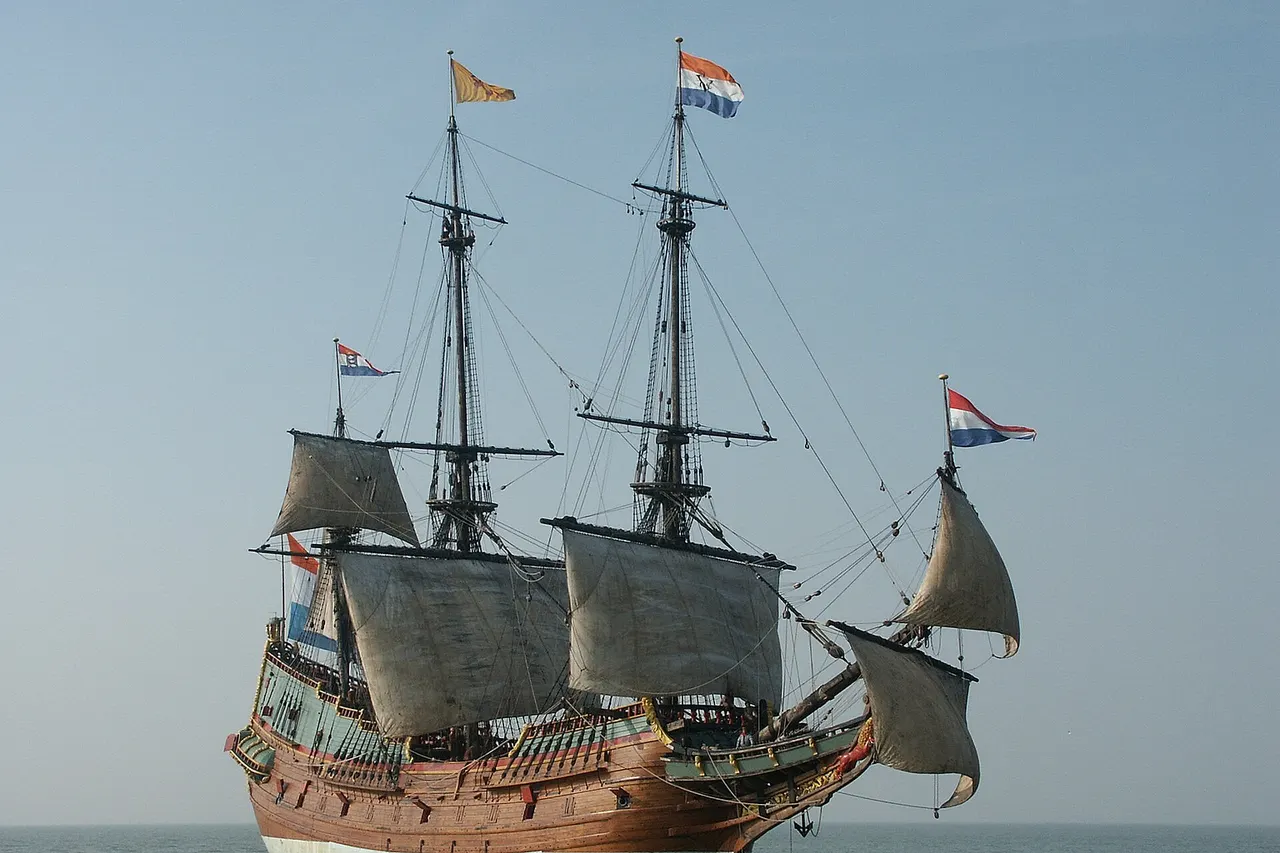
An analysis of cargo from the Batavia shipwreck, one of Western Australia's most famous maritime disasters, has revealed complex global trade routes dating back nearly 400 years. The Batavia, carrying 341 people, was wrecked at the Abrolhos Islands on its maiden voyage in 1629, followed by a deadly mutiny.
The wreck was discovered in 1963, with remnants including the ship's hull and scattered cargo such as stone blocks and bricks. Curtin University researcher Anthony Clarke recently led a forensic study of identical-looking sandstone blocks recovered from the site. His team examined microscopic sand grains to determine their age and chemical fingerprint, comparing them against potential sources.
Dr Clarke reported that the stones originated from "a variety of different" quarries in Germany, including sites mined since Roman times. He noted that the Dutch East India Company, which owned the Batavia, maintained "meticulous records" of the people and cargo on board but did not document the origins of these stones.
The prefabricated sandstone blocks were likely intended for use at the company's main headquarters in Jakarta before the Batavia met its demise. Dr Clarke described the findings as revealing a "surprisingly" sophisticated global supply chain from the early 17th century, indicating that the company was not selective about the quarries supplying their building materials.
Stone blocks recovered from the Batavia wreck site in 1973 are displayed on Beacon Island, Western Australia.
Sources
- ABC Australia News (Chloe Henville, July 31, 2026)
Loading comments.