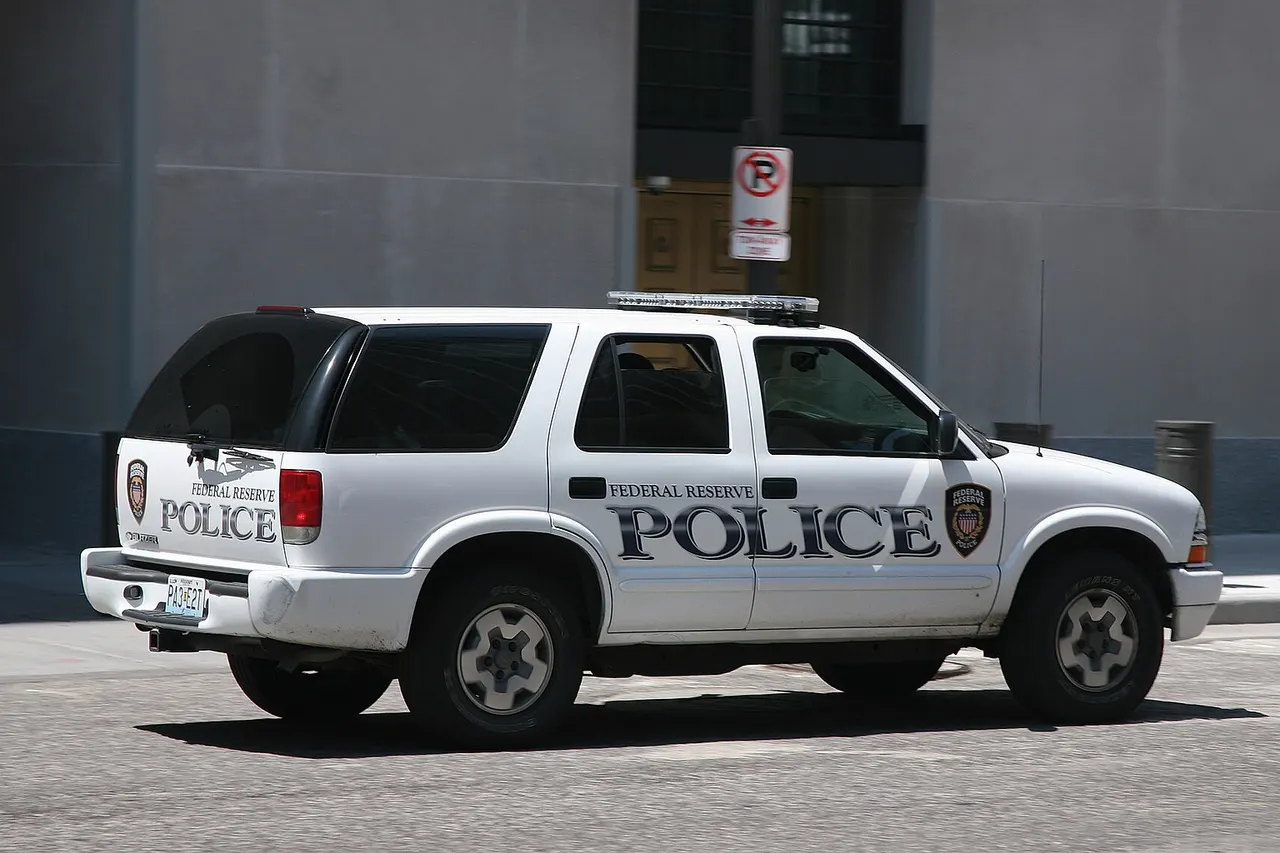

US government borrowing costs have surged to their highest level since 2007 following the Federal Reserve's decision to maintain its key interest rate, raising fears that inflation may not be controlled swiftly enough. Kevin Warsh, chair of the Federal Reserve, affirmed the central bank's unwavering commitment to tackling rising prices.
Investors reacted negatively to the rate hold, worried about the US economy's capacity to manage inflation increases linked to renewed conflict with Iran. Inflation had cooled to an annual rate of 3.5% in June after a brief ceasefire between Washington and Tehran, but hostilities have since resumed.
US stocks declined sharply on Wednesday, July 30th, 2026, with the S&P 500 dropping 1.5%, the Dow Jones Industrial Average falling 2.2%, and the Nasdaq decreasing by 1.7%.
The latest military strikes occurred hours after President Donald Trump vowed to hit Iran "very hard" following an Iranian attack on a US troop base in Jordan. These strikes came after a pause in violence and involved US collaboration with Saudi Arabia targeting Iran-backed militias in Iraq, resulting in at least 20 militia fighters and six Iranian advisers killed.
In related political developments, the US Senate judiciary committee postponed a vote on advancing Trump's nominee for US attorney general, Todd Blanche, due to the Department of Justice's failure to provide written assurances that a $1.8 billion slush fund was terminated.
Additionally, reports surfaced suggesting the origins of Coca-Cola may have been discovered.
Sources
- Guardian US by Martin Belam
Loading comments.