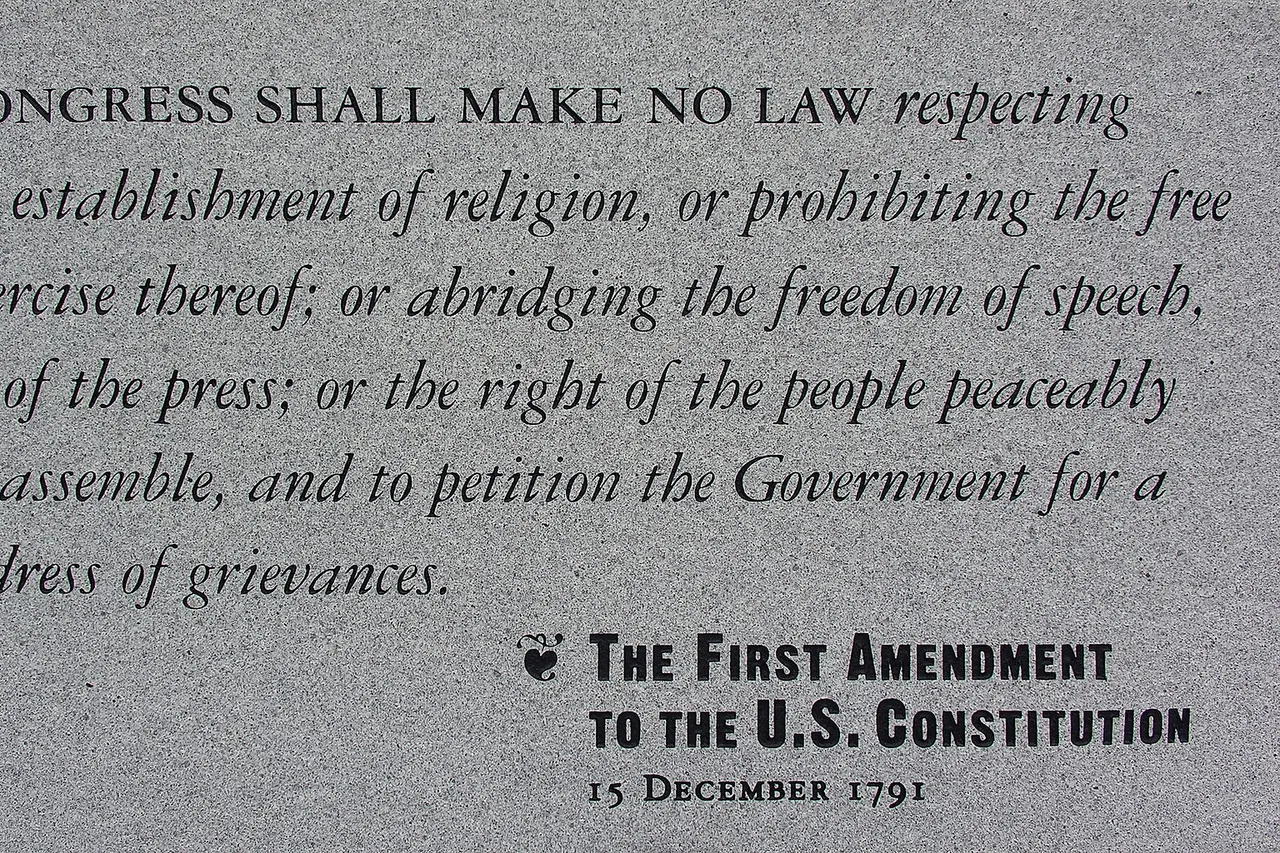

The African People's Education and Defense Fund (APEDF) has brought a First Amendment claim against Pinellas County, alleging that the county improperly influenced the distribution of COVID relief grants to suppress ideas associated with the Uhuru Movement.
APEDF initially won a $36,801 grant for radio equipment to support Black Power 96's broadcasts on local health and emergency information. However, APEDF claims that due to its association with the Uhuru Movement, the county revoked this grant and denied a subsequent $67,327 application for a backup power generator deemed urgently needed.
While the county argues it does not engage in viewpoint discrimination by selectively funding programs it believes serve the public interest without funding alternatives, the court emphasized that even in subsidy provisions, the government may not aim to suppress dangerous ideas. The court noted that although individuals have no absolute right to government benefits, there are constitutional limits on the reasons for denial, particularly when freedom of speech is implicated.
To proceed with a First Amendment retaliation claim, APEDF must allege it engaged in constitutionally protected speech or association, suffered adverse conduct likely to deter similar activity, and that there was a causal link between the conduct and the protected activity. The county denies any chilling effect, stating APEDF remains free to associate with the Uhuru Movement without grant funding, but the court found APEDF's argument more persuasive.
The case highlights tensions between government funding discretion and constitutional protections against viewpoint discrimination, especially in the context of COVID relief efforts.
Sources
Reason: Viewpoint and Race Discrimination Claim in COVID Relief Grants Can Go Forward
Loading comments.