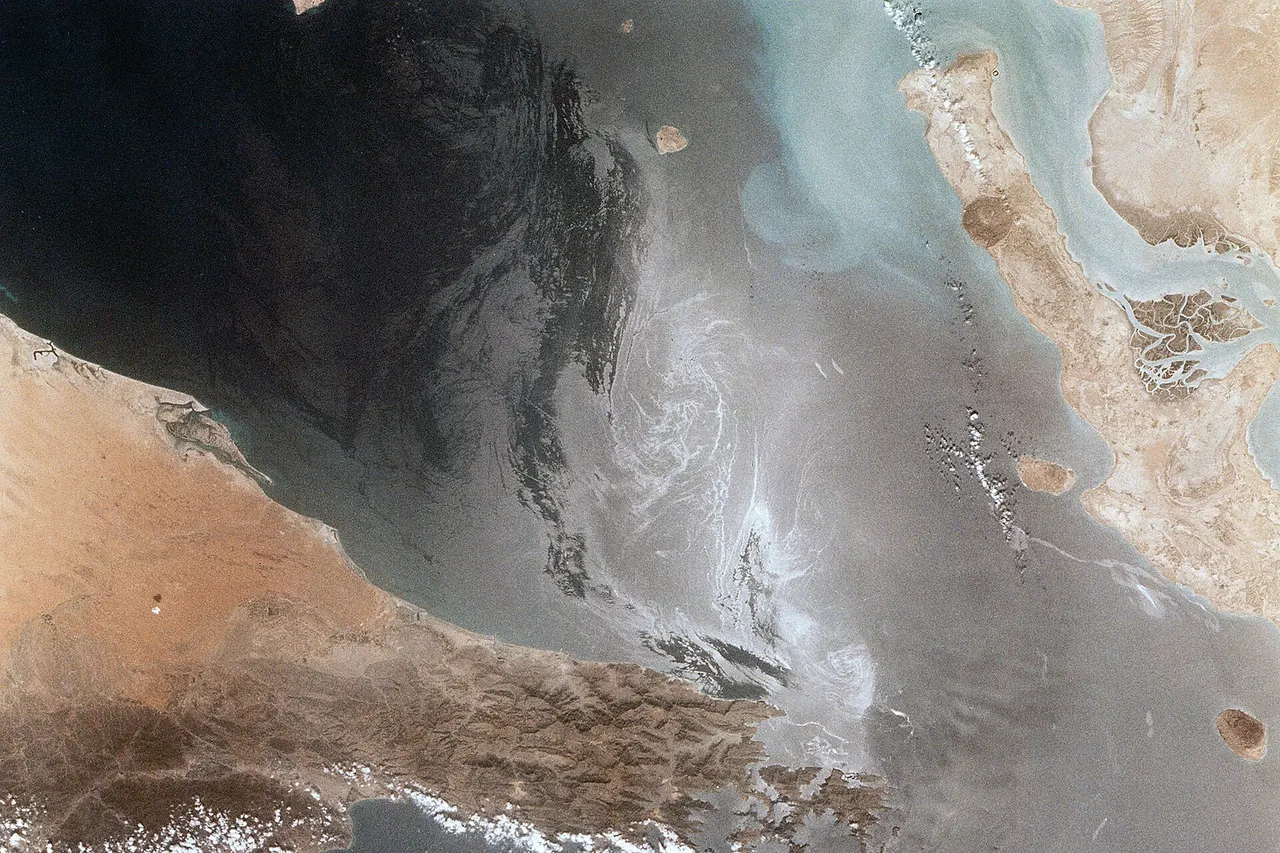

Since March 2026, the Strait of Hormuz has become one of the world's most dangerous waterways due to Iran's attacks on shipping vessels amid its war with the United States. These attacks are used as leverage in ceasefire talks. Despite the threat, shipping traffic through the strait, a critical chokepoint connecting the Persian Gulf with the Gulf of Oman, has not completely stopped.
The Joint Maritime Information Center (JMIC), part of the US-led Combined Maritime Forces, has classified the threat to shippers as "severe," its second-highest warning level. Mines have also been reported in the prewar shipping lanes, increasing the danger.
According to a JMIC advisory issued after attacks resumed on July 6 and 7, 2026, commercial traffic through the Strait of Hormuz remained at reduced levels, with vessels using both the southern Omani corridor and the northern Iranian-controlled route. During the shutdown period, 13 cargo ships registered in the United Arab Emirates transited the strait, along with two liquefied petroleum gas (LPG) tankers and three support vessels. Notably, one UAE-registered vessel detected entering the Persian Gulf on July 11 is managed by Lubeck Shipping LLC, a company linked to an Iranian oil tycoon sanctioned by the United States.
Before a ceasefire was announced on April 7, 2026, countries including China, Pakistan, and Vietnam moved their oil and LPG tankers out of the Strait of Hormuz.
Matt Smith, director of commodity research at Kpler, a Belgium-based business intelligence firm, explained the primary motive for continuing to ship oil and other goods through the strait despite the risks: "simply because the reward seems higher than the risk." He noted that producers essentially face two options: halt production and earn no money or incur losses, or accept the risk of transiting the strait and earn 90% or more of their normal revenue. With oil prices exceeding $80 per barrel, the financial stakes amount to billions of dollars.
With conflicting statements from the United States and Iran about whether the Strait of Hormuz remains open, shipping patterns continue to evolve amid ongoing conflict and security concerns.
Loading comments.