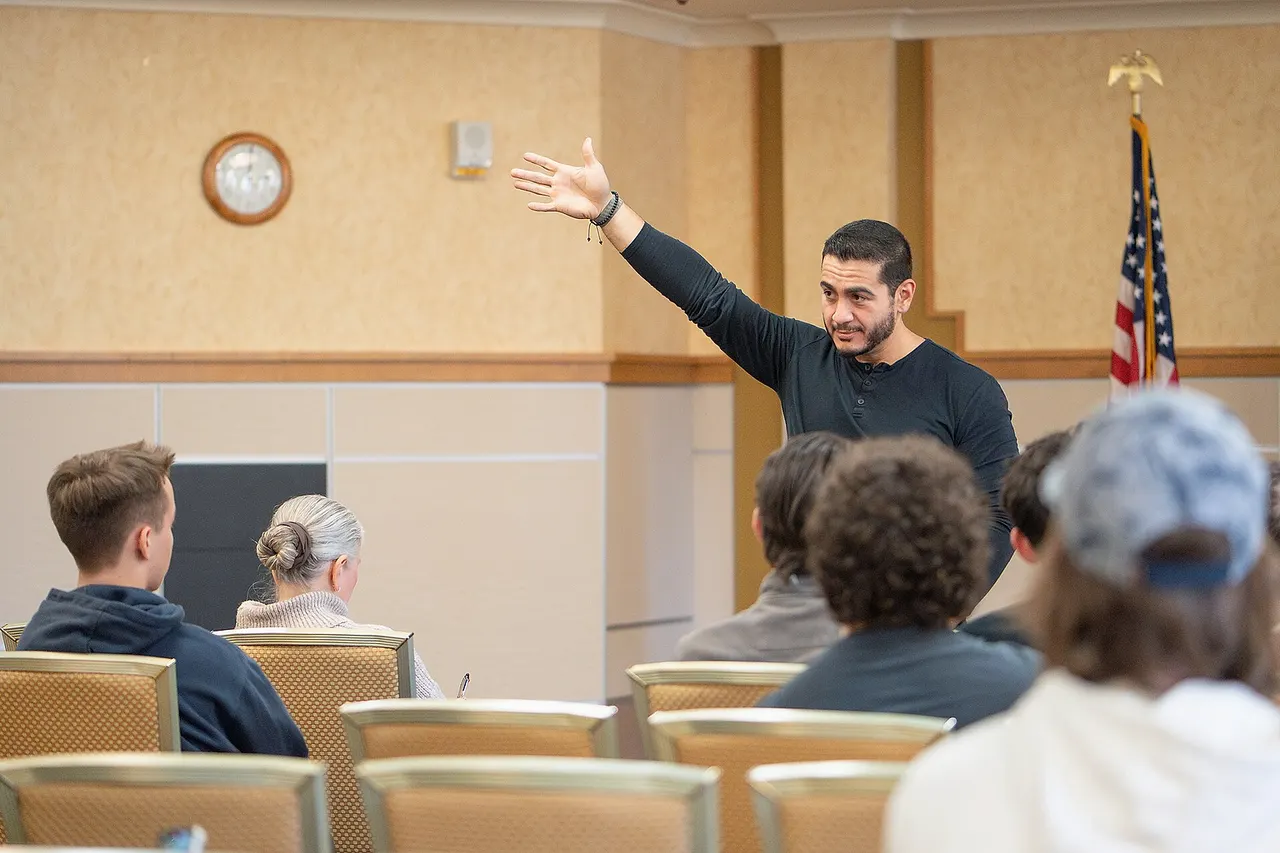

Southfield, Michigan – In the final televised debate before Michigan's Democratic primary on Tuesday, August 4, 2026, Senate candidates Abdul El-Sayed and Rep. Haley Stevens sparred over outside spending, the tone of the race, and electability.
The contest to succeed outgoing Democratic Sen. Gary Peters has become a focal point for a broader intra-party debate. This centers on whether progressive candidates advocating for Medicare for All, abolishing Immigration and Customs Enforcement, and critical stances on U.S. financial support for Israel are the best choices for competitive November races.
Stevens, a moderate who has represented parts of the Detroit area in the House since 2019, voiced support for a two-state solution to the Israeli-Palestinian conflict and highlighted her recent criticism of Israeli Prime Minister Benjamin Netanyahu, which drew pushback from Netanyahu in a CNN interview.
By July 20, AIPAC's super PAC, the United Democracy Project, had spent over $19.9 million supporting Stevens, according to campaign finance records. El-Sayed criticized Stevens for the wave of outside funding backing her campaign.
The candidates exchanged sharp criticisms: Stevens accused El-Sayed of not releasing his full tax returns and earning $300,000 in other income while hosting a health-focused podcast where he promoted questionable healthcare cures. El-Sayed defended his record, stating, "To say that somehow, because I wrote an op-ed 15 years ago about what first lady Michelle Obama said, or I ran against Governor Whitmer, that somehow I'm disrespecting anybody, is just inconsistent with the truth."
El-Sayed, a doctor by training with top health positions in Detroit and Wayne County, Michigan, also emphasized his progressive stance, while Stevens described herself as "just a capitalist who understands how capitalism works," warning that "the biggest threat to capitalism was never the idea of government regulation. It was always monopol[ies]."
The debate underscored the ideological divide within Michigan's Democratic Party as voters prepare to decide the nominee for the U.S. Senate seat.
Loading comments.