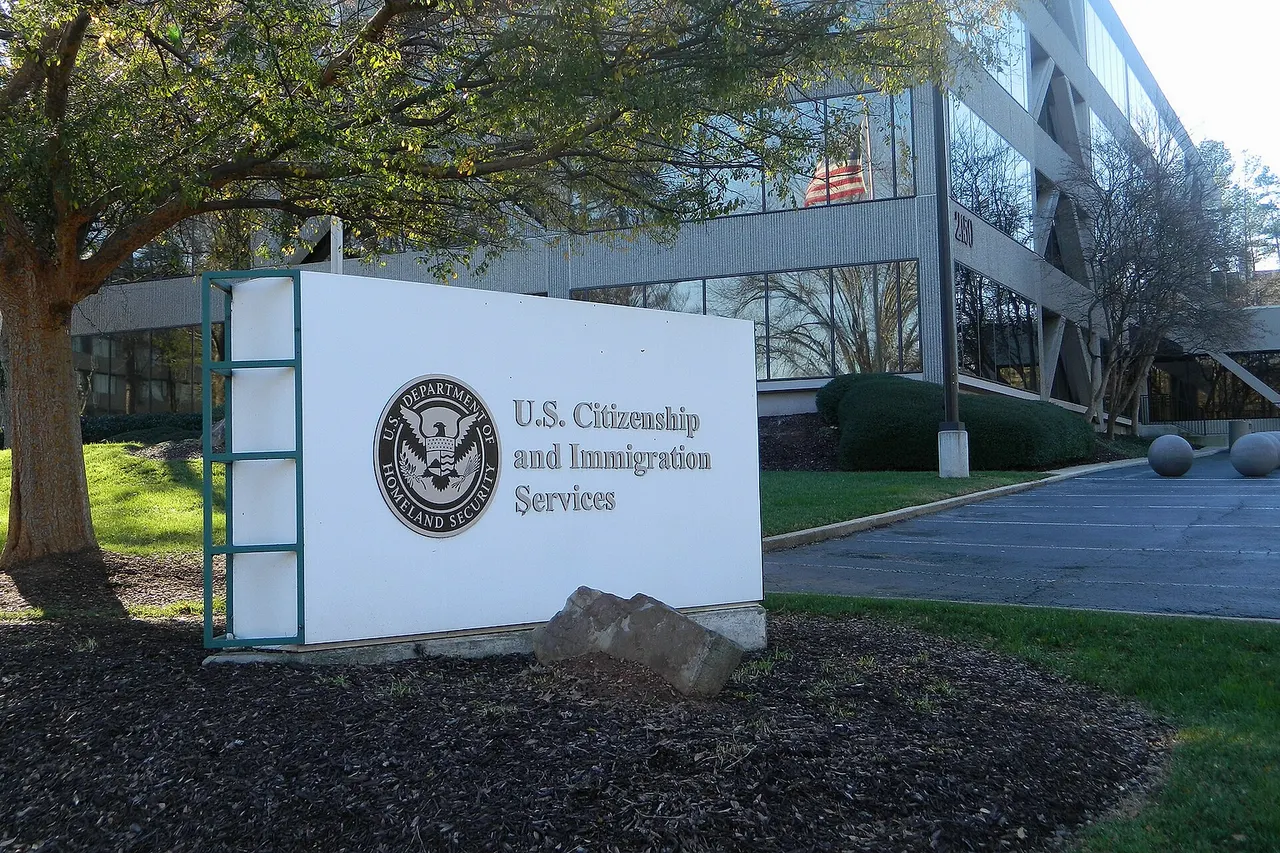

The Trump administration has implemented a new interim final rule that changes the processing of some asylum claims in the United States. Effective immediately as of July 27, 2026, U.S. Citizenship and Immigration Services (USCIS) can now refer certain affirmative asylum applications directly to immigration judges without first conducting the customary affirmative asylum interview. This step aims to reduce the nation's backlog of asylum cases by eliminating what the administration describes as an unnecessary step in the adjudication process.
The rule applies specifically to affirmative asylum claims, which are filed by immigrants not currently in removal proceedings. In contrast, defensive asylum claims are raised before an immigration judge after removal proceedings have begun.
Under the previous process, USCIS generally interviewed affirmative asylum applicants before either granting asylum or referring the case to an immigration judge for further review. The Department of Homeland Security (DHS) stated that these interviews allowed immigrants to "get a second chance at asylum."
However, administration officials said the new rule will enable both asylum officers and immigration judges to process cases more efficiently and focus resources on applicants with legitimate claims of persecution. DHS General Counsel James Percival noted that delays within the asylum system have hindered immigration enforcement. He added, "For far too long, the asylum system has been exploited for purposes of delay and work authorization, not legitimate claims of protection."
The administration emphasized that America's asylum system is designed to protect individuals who genuinely fear persecution, and the new rule will help ensure timely adjudication of such claims rather than allowing the system to be used as a loophole. DHS also highlighted ongoing efforts to improve efficiency and fulfill the president's mandate, stating, "My office works every day with the immigration components of DHS to improve efficiency and fulfill the president's mandate. The rule would do just that."
USCIS Director Joseph Edlow said the change will help reduce the asylum backlog, allowing the immigration system to function more effectively.
Loading comments.