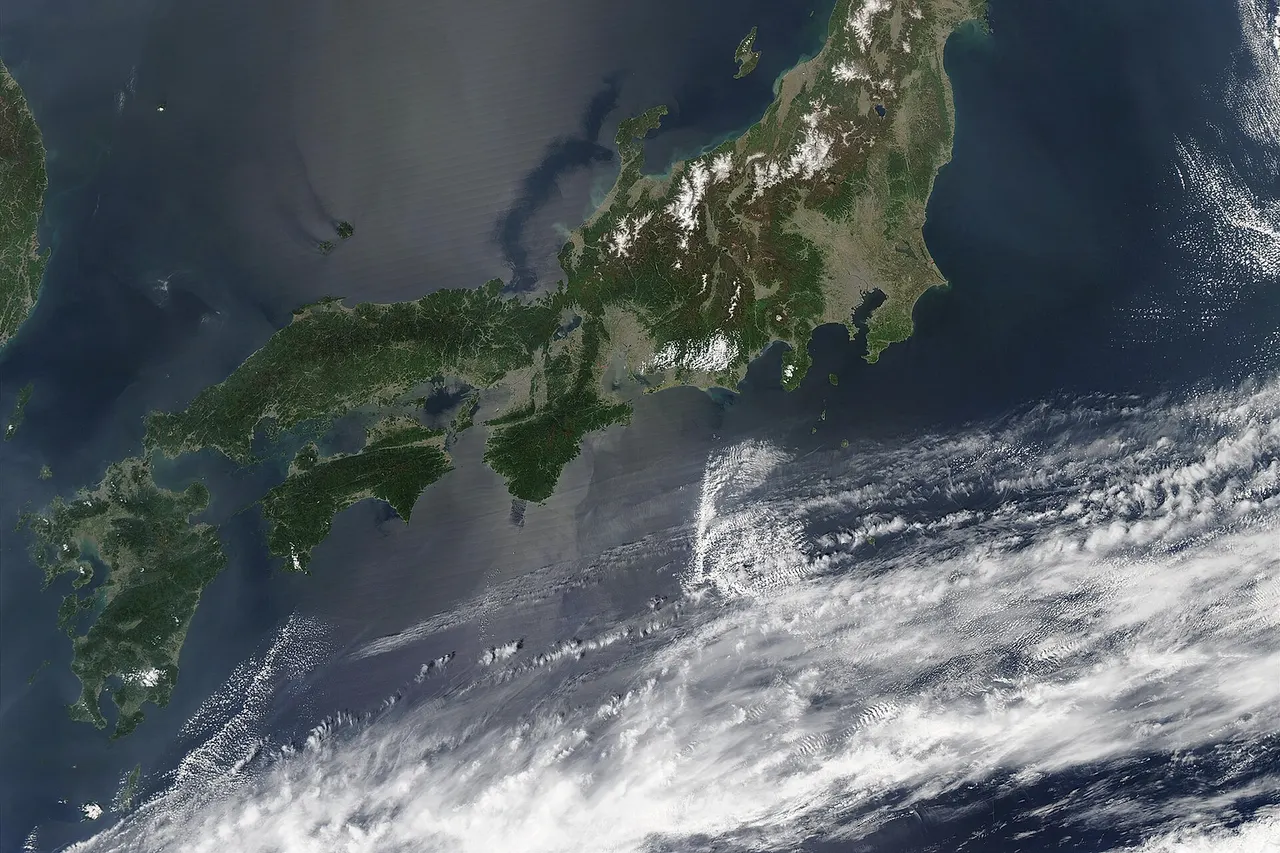

Japan currently hosts 60,000 U.S. service members and covers 75% of the basing costs, reflecting a significant commitment to the U.S.-Japan alliance. The two nations are now co-producing advanced AMRAAM and SM-3 missile systems at a large scale, enhancing their military interoperability.
The Japan Self-Defense Force has integrated Tomahawk missiles and is deploying the Typhon missile system on the mainland, boosting its counterstrike capabilities. This military strengthening supports deterrence efforts against Chinese aggression and the defense of the First Island Chain, a strategic line of islands in the Indo-Pacific.
Japan also openly collaborates with Taiwan and the United States to maintain stability across the Taiwan Strait, distinguishing itself from other countries that avoid public engagement with Taipei.
Beyond military ties, Japan has joined the predominantly Anglo-centric intelligence sharing alliance, further solidifying its strategic partnership with the United States and the United Kingdom. Officials from Japan and America consistently align on global threats and opportunities, underscoring the alliance's growing importance in the region.
This evolving relationship marks Japan as a pivotal partner for the United States in Asia, described as the "new special relationship" in the world's most critical geopolitical area.
Loading comments.