
Palestinian dialysis patient Fathi Hajji begins a difficult thrice-weekly journey before sunrise from his tent in Gaza’s Al-Mawasi area to the Nasser Medical Complex in Khan Younis. Seated in a wheelchair mounted on a donkey-drawn cart, accompanied by an oxygen cylinder and a small fan, Hajji travels under the scorching sun along rough, unpaved roads.
“Since January 2024 until now, I have been undergoing dialysis sessions three times a week,” Hajji said. “I suffer a lot because of transportation as I travel in a cart pulled by a donkey under the scorching sun, and thank God, what can we do? I have no other choice.”
His grandson Saif assists during the journey, frequently stopping to re-attach the wheelchair to the cart. “There is great suffering along the way due to the heat of the sun and the rough roads,” Saif said. “We have to stop every fifty metres to adjust the position of my grandfather's wheelchair, and we arrive at the hospital exhausted and in immediate need of oxygen.”
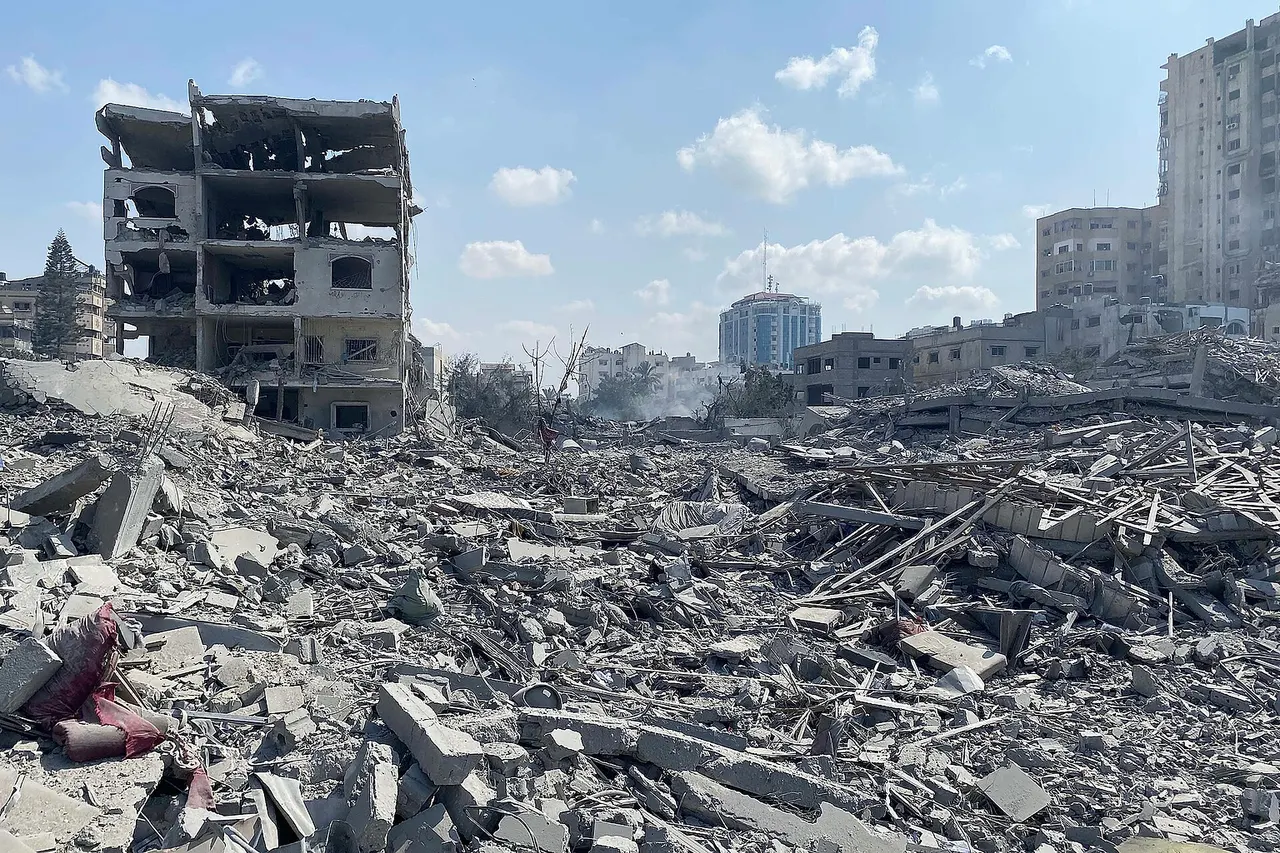
Access to healthcare in Gaza remains a daily struggle due to destroyed infrastructure, lack of transportation, and ongoing humanitarian challenges since the Israel-Hamas conflict erupted in 2023. Despite a ceasefire in October 2025, the World Health Organization (WHO) reports that Gaza’s health system operates at limited capacity.
Israeli attacks and widespread damage to health facilities, coupled with restrictions on medical supply entry, continue to hinder healthcare provision. This is especially critical for patients with chronic diseases requiring uninterrupted treatment.
Hajji’s experience mirrors that of hundreds of kidney failure patients in Gaza, where increased obstacles have intensified pressure on dialysis services. Medical staff at the Nasser Medical Complex face high demand and limited resources, with many dialysis machines worn out and shortages of essential treatment supplies, including bicarbonate and the drug Eprex, exacerbating patient suffering.
Loading comments.