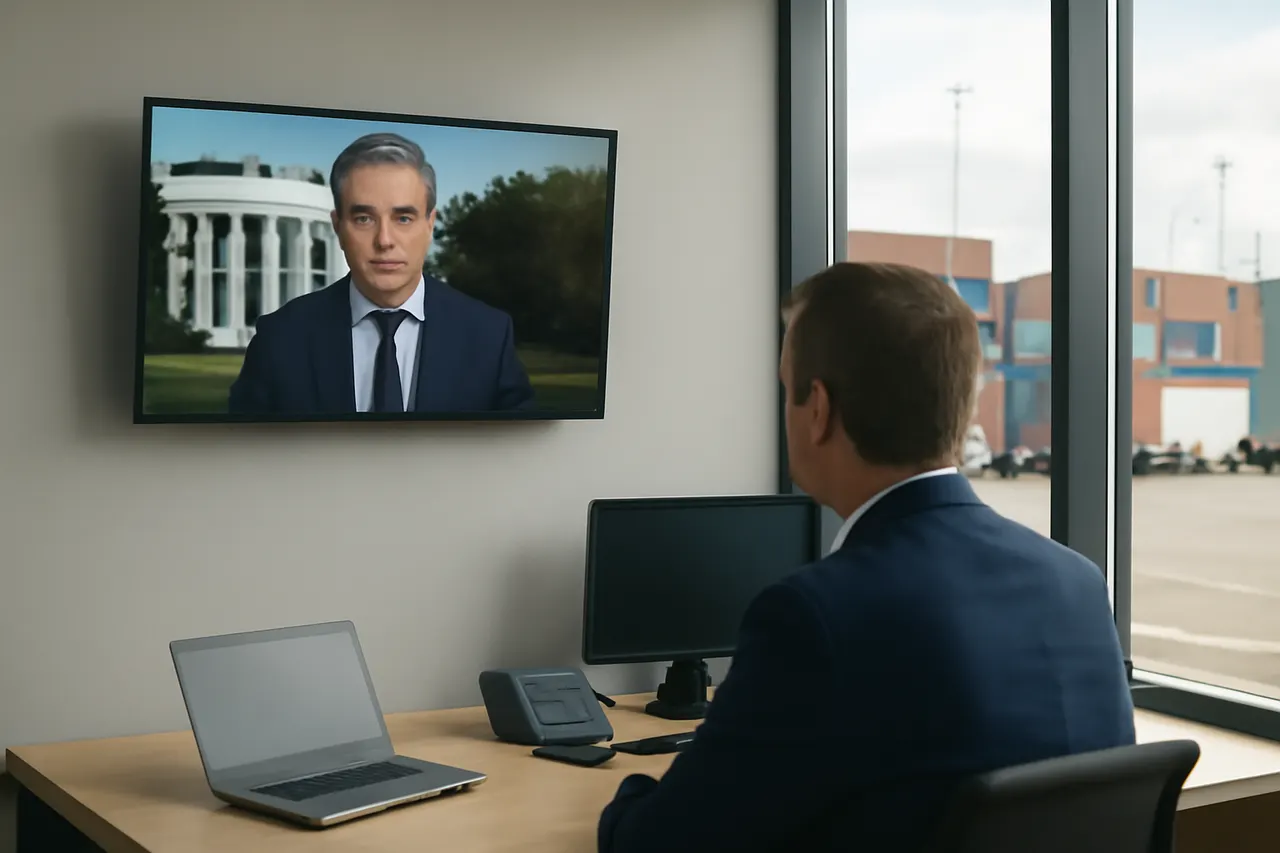
Prediction markets have evolved from limited legal gambling venues in the 1970s, such as Las Vegas and Atlantic City, to a vast online ecosystem where users can bet on nearly any event worldwide. Companies like Kalshi and Polymarket now facilitate markets ranging from political outcomes to whether Lindy’s sells more cheesecake or strudel on a given day.
This expansion has led to a surge in what David Marcus describes as "feedbox noise," where far more people have access to inside information than ever before. Marcus highlights the example of the reality TV show "Big Brother," noting that "dozens, maybe even hundreds of people know this answer, thousands probably have inside info, and while, if they say anything out loud they will get sued into oblivion, what's to stop them from telling their cousin, 'Hey, drop a few thousand on this contestant?'"
Currently, bettors can wager on events such as whether SpaceX will have a successful launch by July 31, or if Rihanna’s album will release before the next Grand Theft Auto video game. Despite emerging regulatory efforts at state and federal levels, Marcus argues that short of completely shutting down these markets, it is nearly impossible to prevent hundreds of thousands of potential insider traders from participating.
He warns that if a business, political campaign, or even a reality TV show becomes the subject of a prediction market, individuals must personally assess the fairness of placing wagers, as there are few safeguards against insider trading in this new landscape.
Sources
- Fox News Latest: David Marcus: Brave new world of prediction markets can make us all inside traders (Published July 25, 2026)
Loading comments.