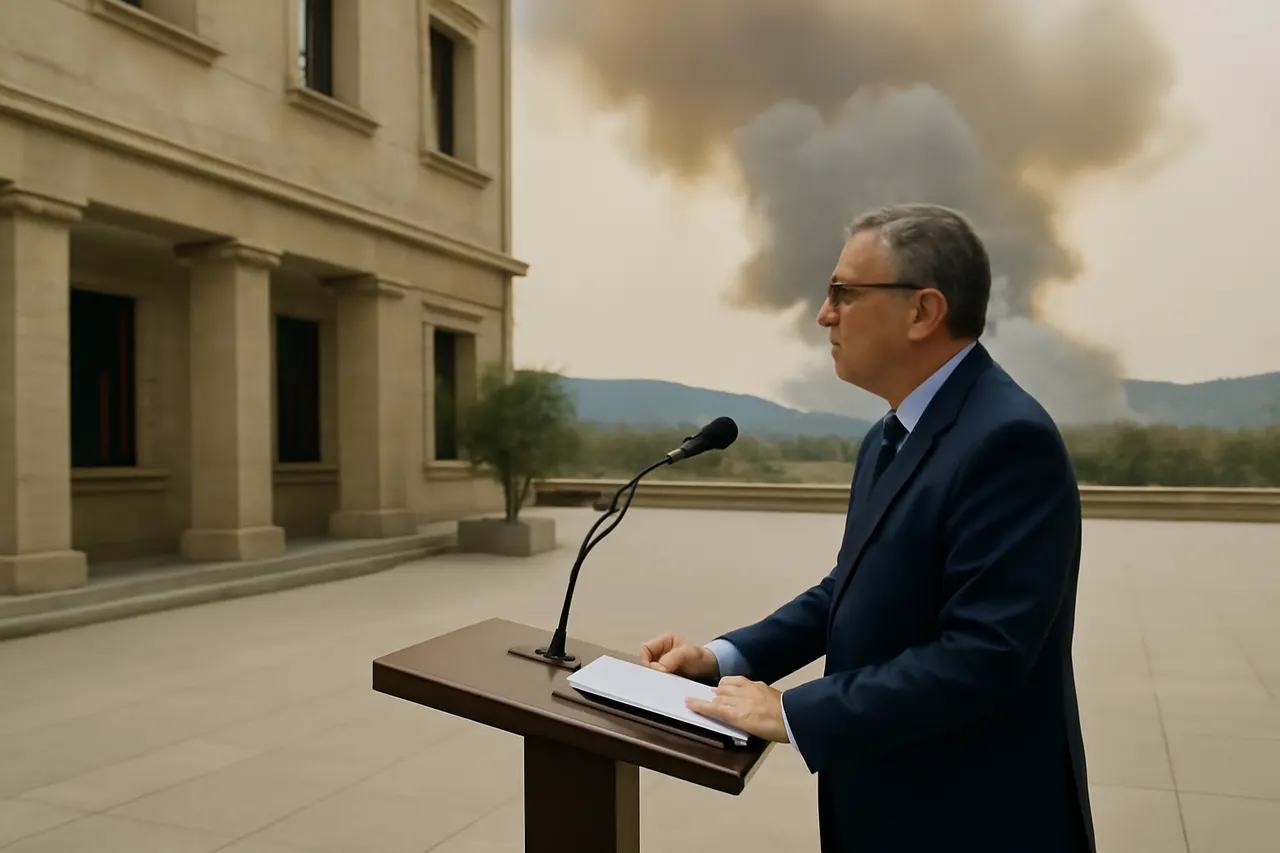
Spain’s government declared a national emergency on Friday, July 24th, 2026, after wildfires near Madrid forced the evacuation of approximately 10,000 people. Meanwhile, in southern France, around 63,000 people evacuated due to multiple fires that have destroyed about 80 homes, with 50 completely destroyed, according to national authorities.
French Interior Minister Laurent Nuñez described the blaze in France as “the largest of the season,” noting it has ravaged over 10,000 hectares (25,000 acres). In Spain and Portugal, the number of wildfires has more than doubled since last year, with the fires near Madrid considered the worst ever by the head of the regional government.
According to new data from the World Health Organization (WHO) in Europe, wildfires destroyed 2.2 million hectares of land in the WHO’s European Region in 2025, up from 1.4 million hectares in 2022 — a 57 percent increase over four years. The WHO highlighted that wildfires destroy homes and livelihoods, force evacuations, and place enormous pressure on emergency services and health systems, tragically also claiming lives.
The WHO attributes the intensifying frequency and severity of wildfires to climate change, citing rising temperatures, drier conditions, and increasing urbanization, which extend the wildfire season. Particulate matter from wildfire smoke contributes to various health conditions, including lung and liver diseases, eye infections, cognitive impairment, and memory loss.
Simon Stiell, the UN’s top climate change official, emphasized on July 24th that accelerating the transition to renewable energy is key to protecting people from escalating climate disasters, including wildfires.
Loading comments.