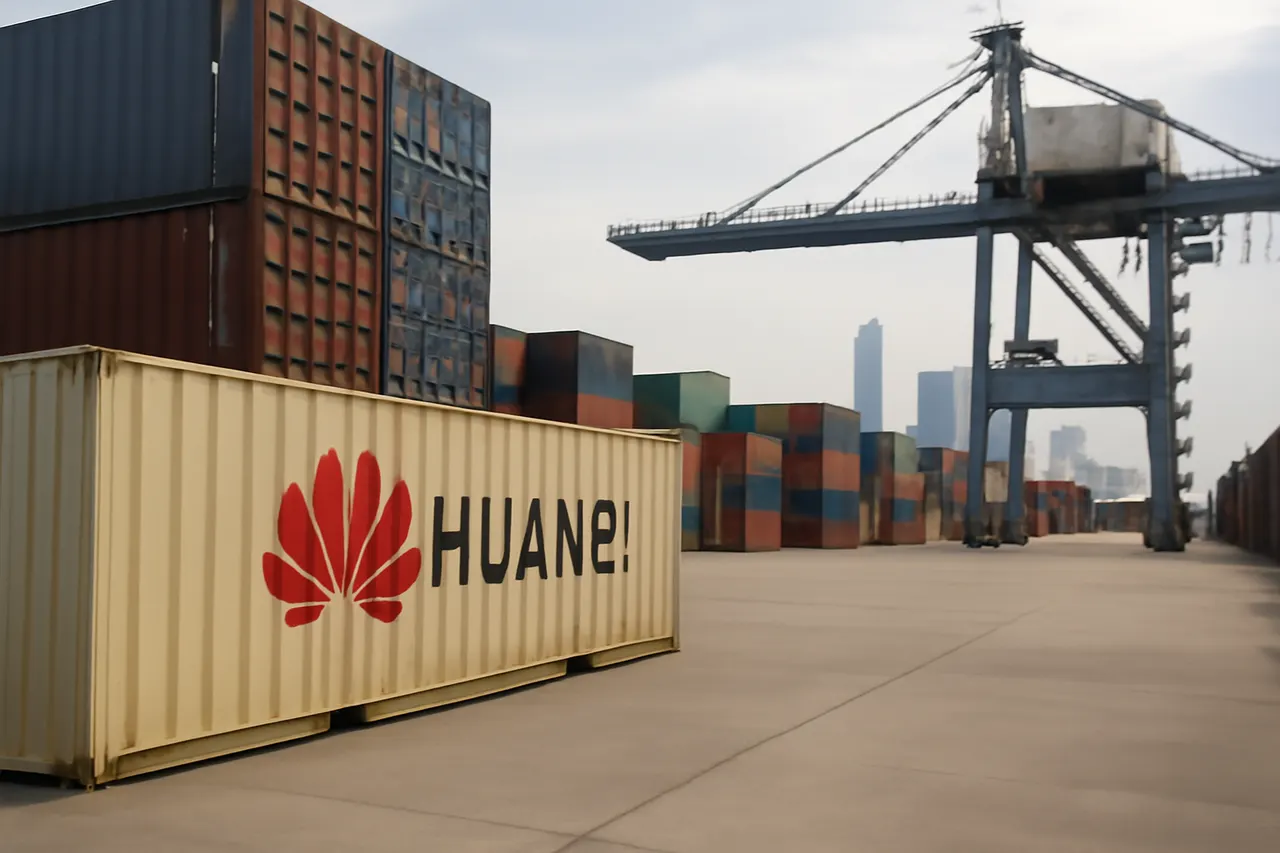
Despite American export controls aimed at cutting Huawei off from the world’s most advanced semiconductor technology, the Chinese tech giant is poised to post a 60% jump in chip revenue this year, reaching an estimated $12 billion in 2026, up from $7.5 billion in 2025, according to analysts.
Following export controls implemented in 2023, China directed state agencies to purchase hardware, chips, mobile devices, and software from Huawei, while also providing over $1 billion in government grants to the company. This support has fueled debate on whether U.S. restrictions have inadvertently strengthened Huawei or merely slowed China’s semiconductor ambitions.
He Tingbo, a Huawei executive, expressed optimism that new strategies announced in May to push technological boundaries could reverse the company’s isolation. John Moolenaar, R-Mich., suggested these developments have forced China to rely more on Taiwan for chips, a situation described as a humiliation the Chinese Communist Party would prefer to avoid.
Bridget Bean, former CISA executive director, warned that China is rapidly closing the artificial intelligence gap, raising concerns about dystopian models and cyber-biological weapon risks. She emphasized the importance of U.S. innovation and protecting advanced chip technology to maintain global leadership.
The Trump administration continued efforts in 2025 to block dozens of Chinese groups from accessing semiconductors and other technologies. However, Huawei remains described as the single most formidable technology company in China, having conquered every market it has engaged in.
President Joe Biden was pictured during a campaign event in North Carolina on June 28, 2024, amid ongoing discussions about U.S. technology policies toward China.
Loading comments.