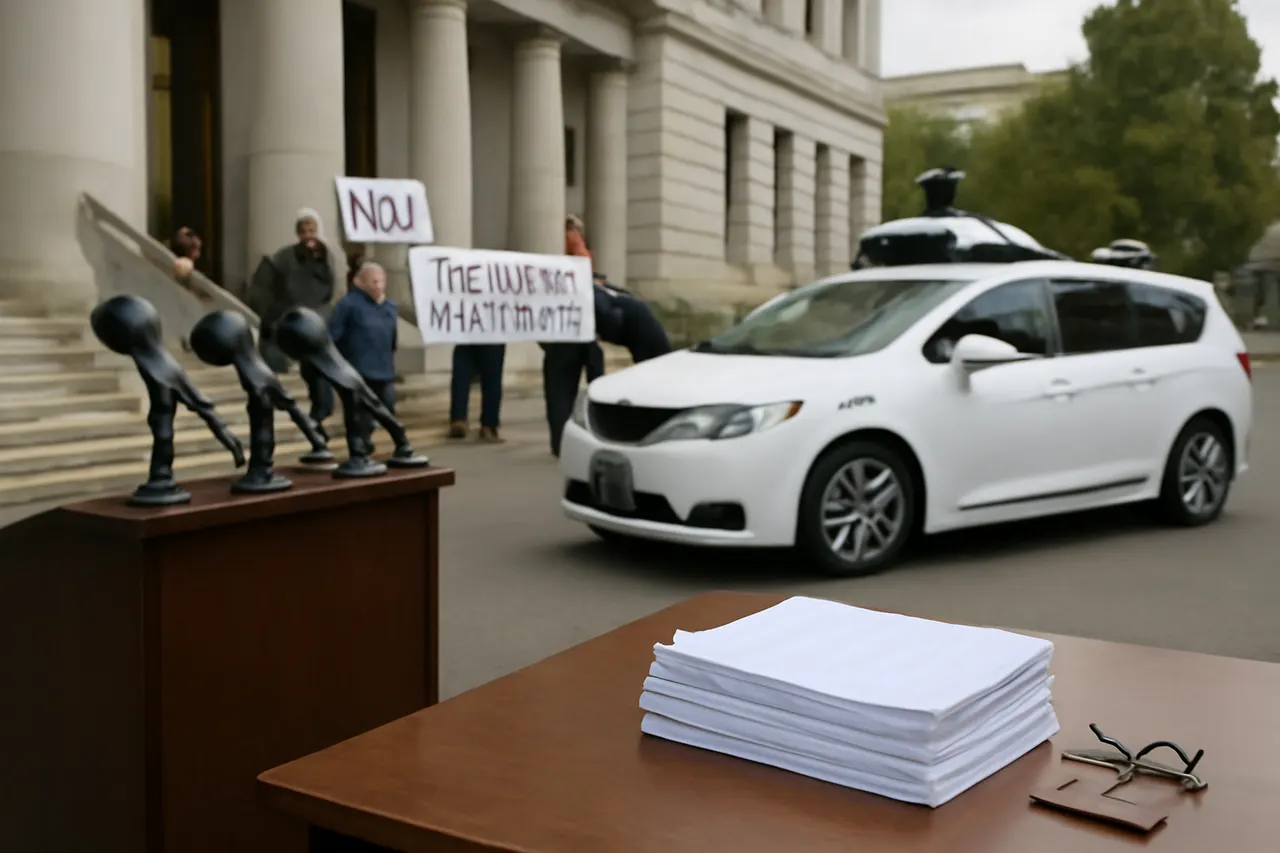
In 2026, autonomous vehicles (A.V.s) continue to quietly improve public safety across multiple U.S. metro areas. Economist Alex Tabarrok reported that as of March, Waymo's driverless vehicles had logged over 220 million miles in five operational regions. Compared to human drivers on the same roads and timeframe, the Waymo Driver was involved in 94% fewer crashes causing serious or fatal injuries, experienced 82% fewer airbag deployments, and saw 93% fewer injury crashes involving pedestrians.
Despite these safety advances, resistance to A.V. technology remains strong. Brian Chau, tech policy expert and executive director of the Alliance for the Future, analyzed opposition efforts and found that labor unions account for 78% of entities opposing autonomous vehicles in various forms. These unions represent 54% of those engaged in lobbying and nearly 70% of the money spent against A.V.s.
The American auto insurance industry pays out between $180 billion and $220 billion annually, with litigation over collisions being a significant business. Economist Tabarrok suggests a reform used in Britain since 2018: insuring the vehicle rather than the driver, paying victims directly, and allowing insurers to recover costs from manufacturers if software errors occur.
While autonomous vehicles promise to reduce the more than 100 daily fatalities on U.S. roads—the lowest since 2019—there is little public fanfare when lives are saved. Instead, these improvements unfold quietly, with no headlines or celebrations, just unremarkable days ending safely.
Sources
- Reason: The People Fighting Technology That Could Save Thousands of Lives
- Marginal Revolution
- Alliance for the Future
Loading comments.