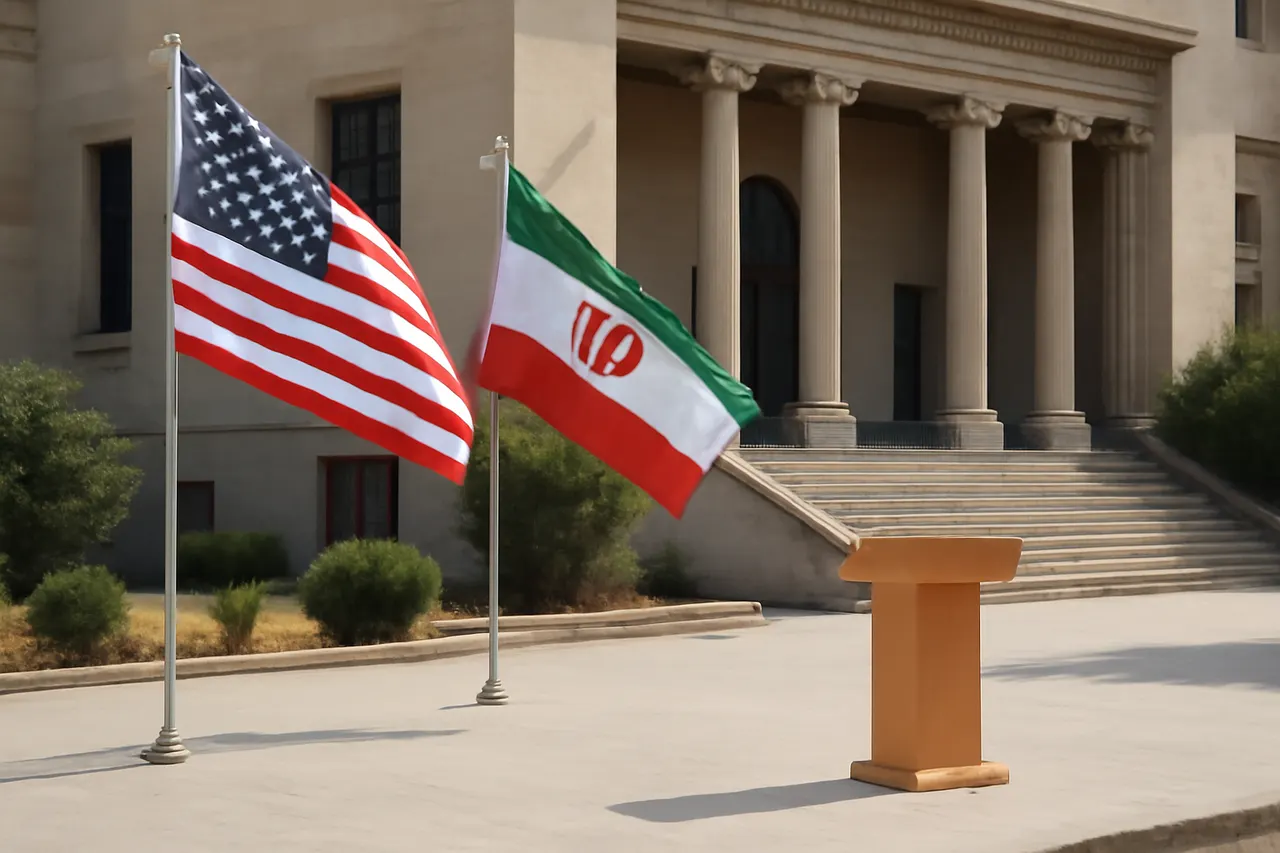
The US military announced it completed the 11th consecutive night of strikes on Iran early Wednesday, July 22, 2026, amid escalating attacks across the Middle East that have overshadowed diplomatic attempts in Pakistan to salvage a collapsed interim ceasefire deal.
Central Command reported that the recent targets of the strikes included aircraft hangars and drone storage sites within Iran. These military actions follow signals from President Donald Trump, who indicated from the Oval Office on Tuesday that US forces might intensify strikes, potentially targeting areas near Iran's main uranium enrichment sites.
Prior to the latest barrage, Iranian Interior Minister Eskandar Momeni visited Pakistan, a key mediator in the conflict, in efforts to renew diplomatic negotiations. However, it remains unclear what new arrangements might be reached to end the ongoing conflict, which has increasingly centered on control over the Strait of Hormuz—a critical waterway for global energy supplies.
Despite the US strikes, Iran has maintained its grip on the strait, through which about one-fifth of the world's crude oil and natural gas was shipped before the war. The situation escalated after Iran attacked a tanker in the strait, forcing its crew to abandon ship.
The conflict has also impacted global energy markets, with the international benchmark for crude oil trading above $92 a barrel on Wednesday and regular gasoline prices in the US rising to an average of $4 per gallon.
In Tehran, Iranian Red Crescent emergency workers have been clearing rubble from residential buildings damaged in earlier US-Israeli strikes, illustrating the ongoing humanitarian impact of the conflict.
Loading comments.