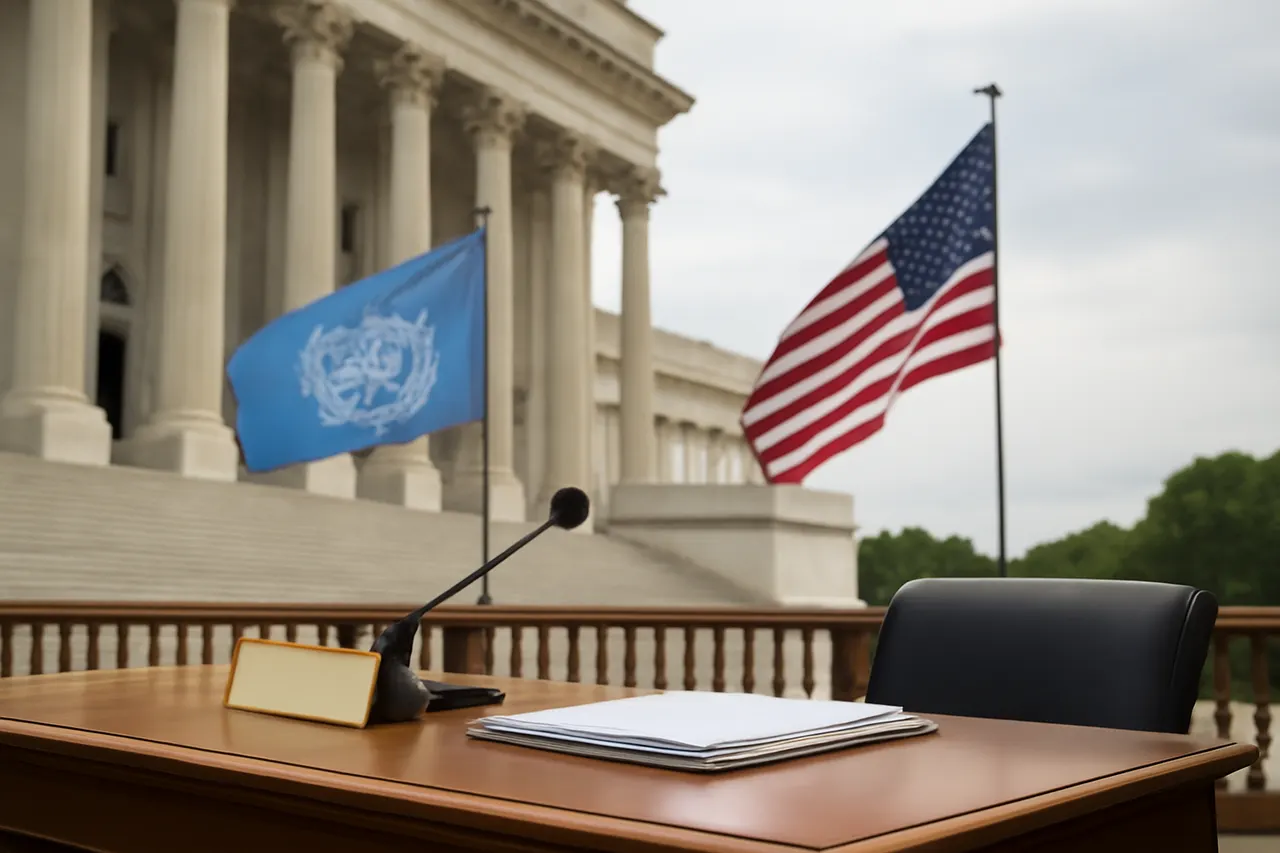
US lawmakers criticized China’s increasing presence in United Nations peacekeeping operations on Wednesday, July 22, 2026, accusing Beijing of using these missions as a cover for espionage activities. The Congressional hearing, held by the House Foreign Affairs Committee in Washington, also saw partisan disputes over funding related to the Iran war initiated by former US President Donald Trump.
Sheri Biggs, a Republican representative from South Carolina, stated that "the Chinese peacekeeping department is concentrated in strategically sensitive regions, including areas along Belt and Road [Initiative] corridors, near ports, mineral resources, and existing or potential basing locations." She expressed concerns that this positioning could be a cover to advance military and intelligence objectives in regions where the US has strategic interests.
Mike Waltz, the US ambassador to the UN, acknowledged that China’s peacekeeping forces are generally well-equipped and better prepared for UN missions than those of other member states. However, he added, "I don’t think for a second that they don’t serve a dual purpose as eyes and ears on the ground for the Chinese Communist Party."
Washington’s top diplomat in New York also highlighted that part of the US reform agenda involves leveraging influence on the UN Security Council to streamline and downsize the South Sudan peacekeeping operation, an area where China holds significant energy and geopolitical interests.
The hearing underscored growing US apprehension about China’s expanding footprint at the United Nations and its potential implications for global security and intelligence.
Loading comments.