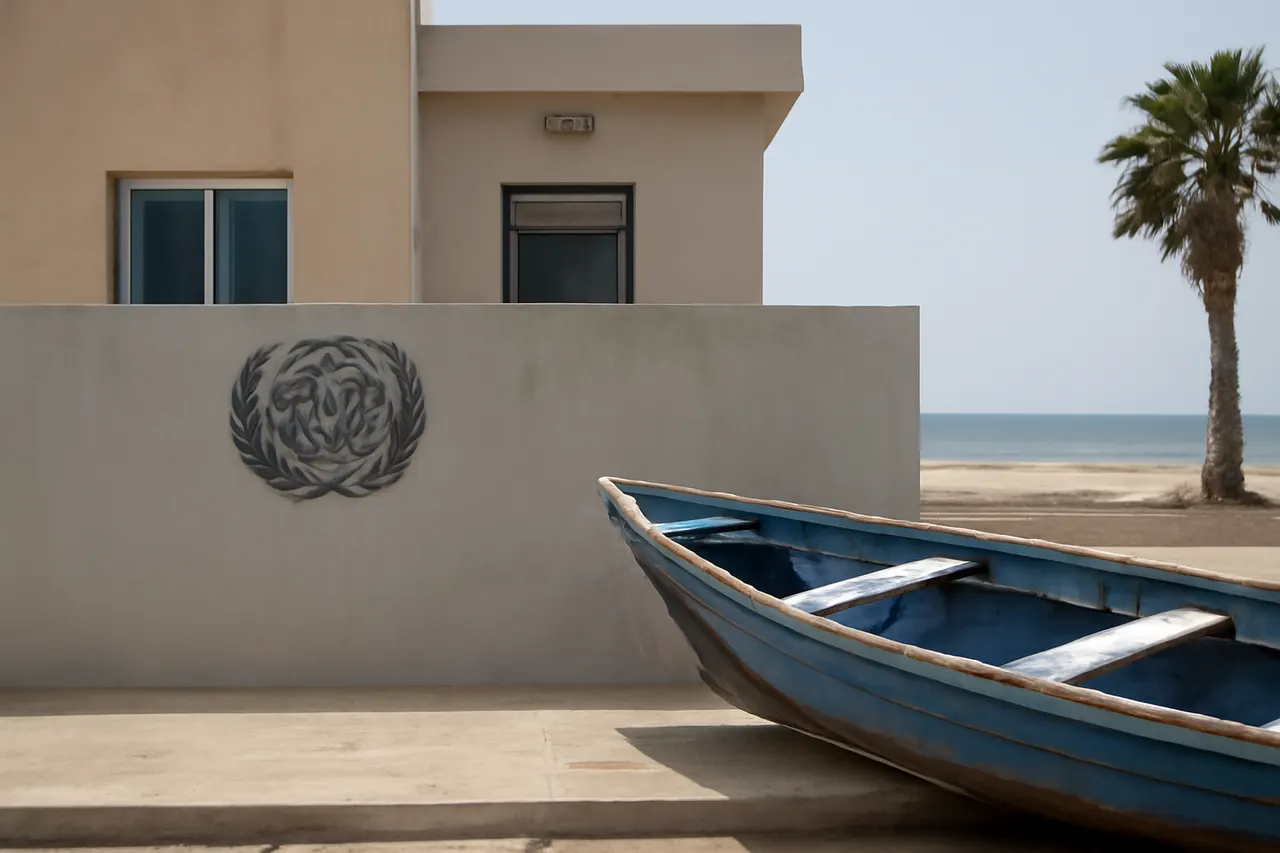
The UN’s refugee agency (UNHCR) has reported that 144 migrants attempting to reach Europe are dead or missing following a series of tragic maritime incidents off the coast of Mauritania last week.
Many of the migrants, including refugees, were stranded for 25 days on a boat from The Gambia headed for Spain’s Canary Islands, underscoring the perilous nature of this sea route. Between 14 and 18 July 2026, UNHCR, national authorities, and humanitarian partners assisted at three disembarkations that brought 387 people safely ashore.
Rescue efforts culminated on 18 July 2026, when teams found 38 survivors and 143 dead or missing. Among the survivors were two children who lost their entire families at sea.
According to UNHCR, the Atlantic route between the West African mainland and the Canary Islands is one of the world’s deadliest sea corridors due to long distances, unpredictable ocean conditions, overcrowded and unseaworthy boats, and limited access to timely rescue.
"The incidents highlight the persistent risks faced by refugees and migrants attempting to reach Europe, many of whom are embarking over 2,000 km away from their intended destination," the agency stated in a press release.
Arrivals to the Canary Islands have dropped by 61 percent in the first half of 2026 compared to the same period in 2025, with 4,400 arrivals recorded by 15 July. Similarly, arrivals to Europe by sea on major routes decreased from 65,407 last year to more than 40,000 this year.
UNHCR emphasized that the recent tragedy off Mauritania's coast demonstrates the urgent need to address the root causes driving refugees and migrants to flee their home countries.
Loading comments.