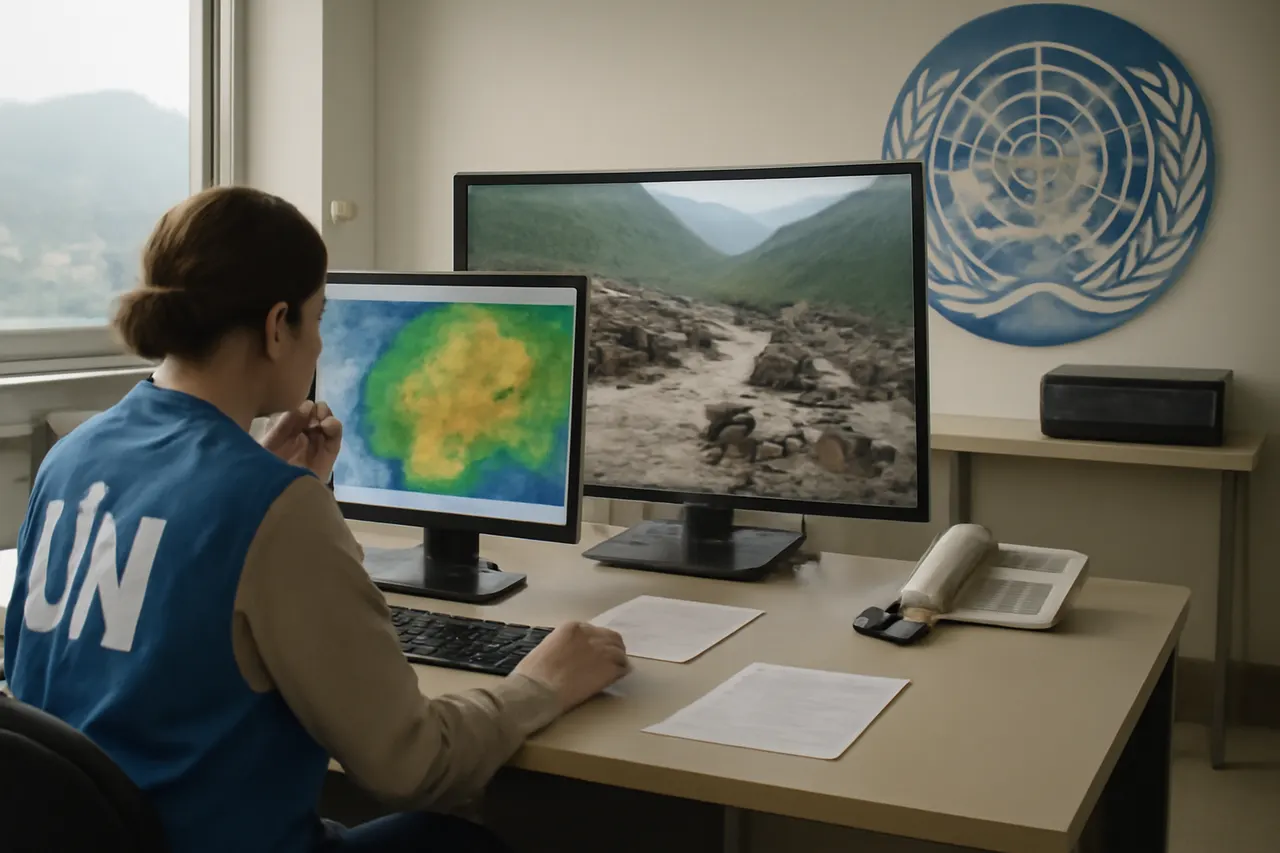
Flash floods caused by heavy rainfall on 20 July 2026 have killed at least 26 people across eastern Afghanistan, including 23 in the mountainous Nuristan province, according to the UN relief coordination office, OCHA.
The worst damage occurred in Parun City, the capital of Nuristan, where a sudden flash flood struck around 3pm local time on 22 July 2026. The flood overwhelmed residential neighborhoods and commercial areas, destroying at least 22 houses and severely damaging another 45. Infrastructure including four bridges, six road sections, irrigation canals, and flood protection walls also sustained extensive damage, disrupting access to affected communities.
Three Afghan refugees died and nine others were injured at a returnee transit camp near the Torkham border crossing with Pakistan.
Olga Cherevko from OCHA, speaking from Kabul, said the major weather event damaged homes, roads, bridges, water systems, irrigation infrastructure, and livelihoods. She emphasized that "the immediate priority right now is to save lives and reach people who may still be missing or injured. But as the waters recede, the needs will extend well beyond the initial emergency response."
The flooding also disrupted access to safe drinking water for about 1,000 families due to damage to the local water supply network, although no home damage was reported in that area at the time of the latest assessment.
OCHA identified urgent needs including emergency shelter, food assistance, safe drinking water, hygiene supplies, healthcare, psychosocial support, and household essentials for families who have lost homes and livelihoods.
Loading comments.