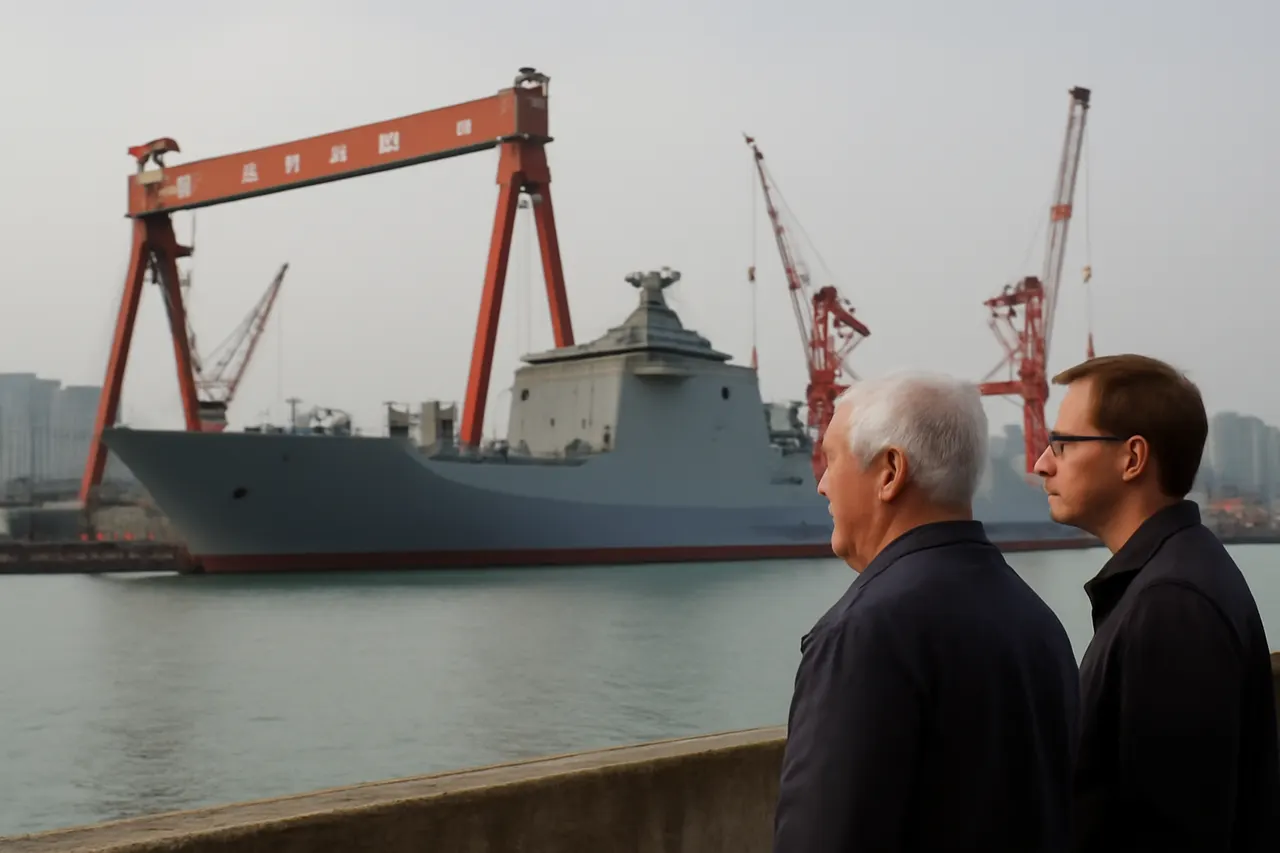
China is building an enormous naval replenishment ship near Guangzhou, designed to refuel, rearm, and resupply Chinese carrier groups operating far from home. At approximately 885 feet long, this vessel could become the world’s largest dedicated naval replenishment ship.
This development reflects China’s broader strategy to enhance its physical, industrial, and technological capabilities to absorb economic pressure, replace battlefield losses, and project power well beyond the initial stages of a conflict. Taiwan remains the most volatile flashpoint, but Beijing appears to be preparing for a prolonged contest.
In addition to the shipbuilding efforts, China opened a joint logistics center at Cambodia’s Ream Naval Base in April 2025 and continues to seek access along critical sea lanes including the Malacca Strait, the Strait of Hormuz, Africa, and the Middle East. By late February 2026, China held an estimated 1.2 billion barrels of onshore crude oil, sufficient to cover about 109 days of seaborne imports.
Despite these advances, the renminbi accounted for only 1.99% of reported global currency reserves in the first quarter of 2026, indicating it has not replaced the U.S. dollar in global finance.
Photographs from July 2, 2026, show officers and soldiers aboard the Chinese People's Liberation Army Navy's guided-missile destroyer Nanning entering the waters of the Hong Kong Special Administrative Region.
These developments underscore China’s growing naval logistics capabilities and its strategic efforts to maintain a sustained maritime presence far from its shores.
Loading comments.