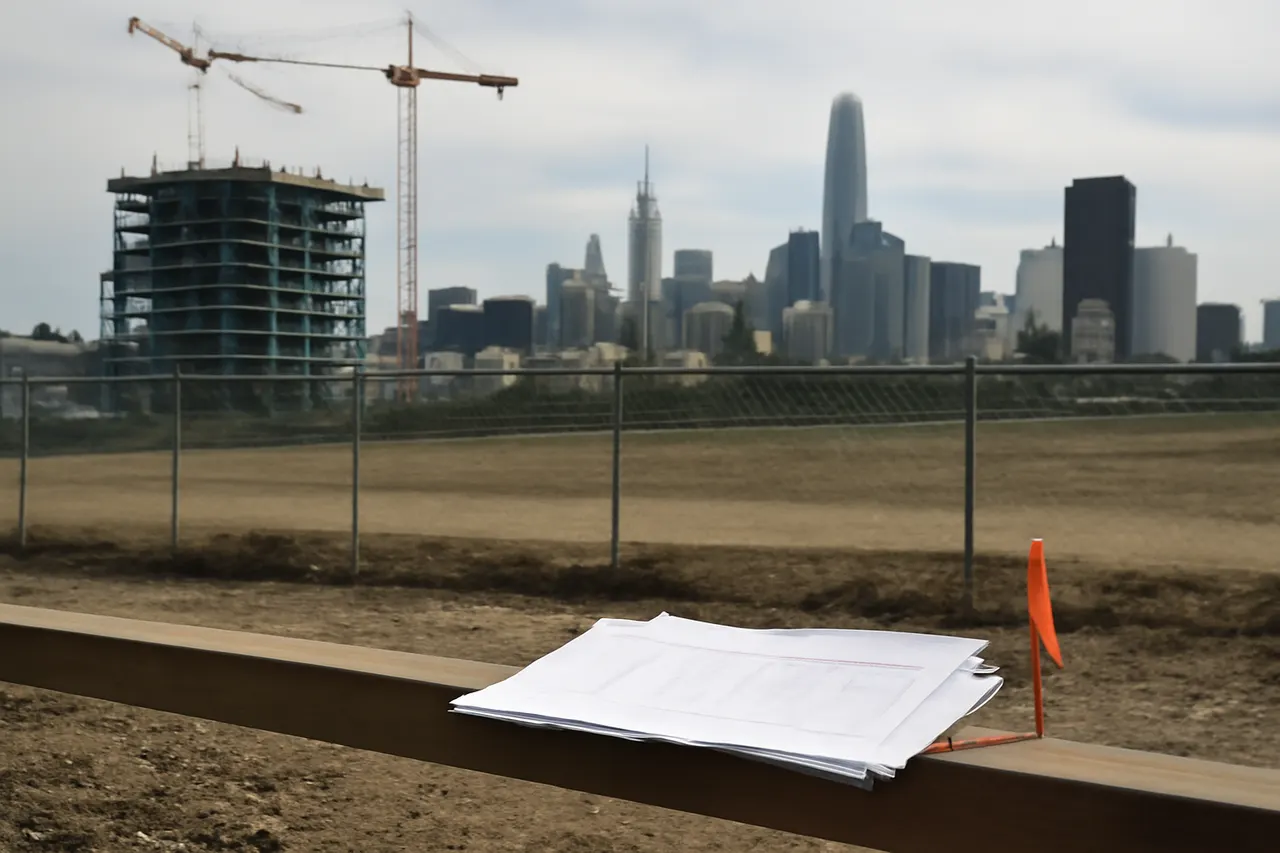
California developer Mircea Voskerician is suing the city of Menlo Park over a $127,000 "recreation in-lieu" fee imposed to approve a simple lot subdivision mandated by state law. Under California's Senate Bill 9 (S.B. 9), cities like Menlo Park must approve lot split applications ministerially, without discretionary review or public hearings.
Voskerician's challenge argues that the fee violates constitutional protections under the Takings Clause, as the Supreme Court has ruled that cities cannot require property owners to pay for problems they did not create. The case exemplifies a rare intersection where traditionally conservative Takings Clause arguments support more liberal zoning reforms.
Four years after S.B. 9's enactment, only 2,412 duplex project applications have been submitted statewide, indicating limited uptake of the law. Some legislative fixes to improve S.B. 9's effectiveness have passed, but more comprehensive reforms have stalled. A successful court challenge to impact fees like Menlo Park's could make the law more productive where legislative efforts have faltered.
Meanwhile, San Francisco is attempting to stimulate housing construction by reducing affordable housing mandates. A 2023 study by the San Francisco Controller found that these mandates were depressing new development, prompting the Board of Supervisors to temporarily lower the inclusionary requirement to 12 percent of new units.
Additionally, the Public Policy Institute of California (PPIC) has reported support for Proposition 45, though its future remains uncertain.
Other housing issues include New York Mayor Zohran Mamdani's "Rental Ripoff Report," which acknowledges that rent regulation is financially straining rent-stabilized buildings and shifting tenant displacement drivers from abandonment to speculation and rising rents.
Notable Quotes
"The Supreme Court has made it abundantly clear that cities cannot force property owners to foot the bill for problems they didn't create. Menlo Park cannot ignore that precedent to demand a six-figure exaction for a routine subdivision," the lawsuit asserts.
"Buildings cannot be maintained on frozen revenue. Boilers, roofs, elevators, and facades do not repair themselves," reflecting concerns over housing maintenance under current regulations.
"We are making it clear that every New Yorker deserves a safe home—and every landlord who refuses to provide one will be held accountable," said New York officials addressing housing challenges.
"The main driver of tenant displacement shifted from abandonment and divestment to speculation and rising rents," highlighting evolving housing market dynamics.
"A successful constitutional challenge to impact fees could see courts make S.B. 9 more productive, where the legislative process has thus far failed," underscoring the potential impact of the Menlo Park case.
Sources
- Reason, Christian Britschgi, "When Is a Park Fee Unconstitutional?" (July 21, 2026): https://reason.com/2026/07/21/when-is-a-park-fee-unconstitutional/
Loading comments.